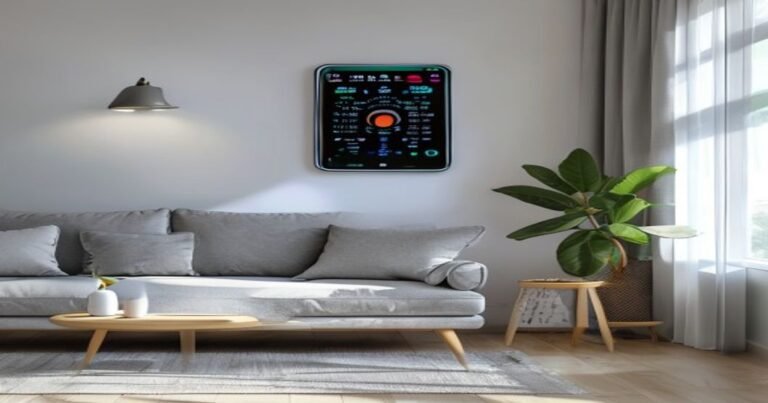
How to Install a Smart Thermostat — Complete Wiring Guide
As a homeowner in the US, you’re likely no stranger to the importance of a well-functioning heating, ventilation, and air conditioning (HVAC) system. Not only does it provide comfort and convenience, but it also plays a significant role in your energy bills. Upgrading to a smart thermostat can make a substantial difference in both aspects, offering advanced features like automated temperature control, remote access, and energy usage tracking. In this comprehensive guide, we’ll walk you through the process of installing a smart thermostat, covering the essential concepts, step-by-step instructions, and key considerations to ensure a seamless and successful upgrade.
With popular models like the Nest Learning Thermostat, Ecobee SmartThermostat, and Honeywell Home T9, the options can seem overwhelming. However, by understanding the basics and following our expert advice, you’ll be able to choose and install the perfect smart thermostat for your home, optimizing your HVAC system and enjoying the benefits of improved comfort and energy efficiency.
What You Need to Know Before Starting
🌡️ Recommended Products
Shop the best How to Install a Smart Thermostat — vetted and recommended by our experts.
Shop Smart Thermostats on Amazon →
As an Amazon Associate, we earn from qualifying purchases.
Before diving into the installation process, it’s crucial to familiarize yourself with some key concepts and terminology. A smart thermostat typically requires a connection to your HVAC system, which involves working with low-voltage wiring. You’ll encounter labels like R, Rc, C, W, Y, G, and O/B, which represent different wires and their functions:
- R: The 24-volt power wire, usually red or rh, which provides power to the thermostat.
- Rc: The 24-volt power wire for cooling systems, often connected to the R wire.
- C: The common wire, typically blue or black, which completes the circuit and provides a return path for the 24-volt power.
- W: The heating stage wire, usually white, which controls the heating system.
- Y: The cooling stage wire, often yellow, which controls the cooling system.
- G: The fan wire, typically green, which controls the fan operation.
- O/B: The heat pump reversing valve wire, which is used for heat pumps to switch between heating and cooling modes.
Understanding these labels and their corresponding functions will help you navigate the wiring process and ensure a correct installation.
Step-by-Step Guide
Now that you’re familiar with the basics, let’s move on to the step-by-step guide for installing a smart thermostat:
- Shut off the power: Before starting the installation, switch off the power to your HVAC system at the circuit breaker or fuse box. Verify that the system is completely powered down to avoid any accidents or electrical shocks.
- Remove the old thermostat: Take out the screws or clips holding the old thermostat in place, and gently pull it away from the wall. Be careful not to damage any wires or the wall itself.
- Label the wires: Use the labels provided with your smart thermostat or create your own to identify the wires. This will help you connect the correct wires to the corresponding terminals on the new thermostat. For example, the R wire should be connected to the R terminal, and the C wire should be connected to the C terminal.
- Connect the wires: Begin connecting the wires to the new smart thermostat, making sure to match the labels and terminals. If your system has a C wire, connect it to the C terminal. If not, you might need to use a C wire adapter or a smart thermostat with a built-in C wire emulator, like the Nest Learning Thermostat.
- Mount the new thermostat: Place the new smart thermostat on the wall, ensuring it’s level and securely fastened with screws or clips. Make sure it’s positioned in a location that allows for easy access and viewing.
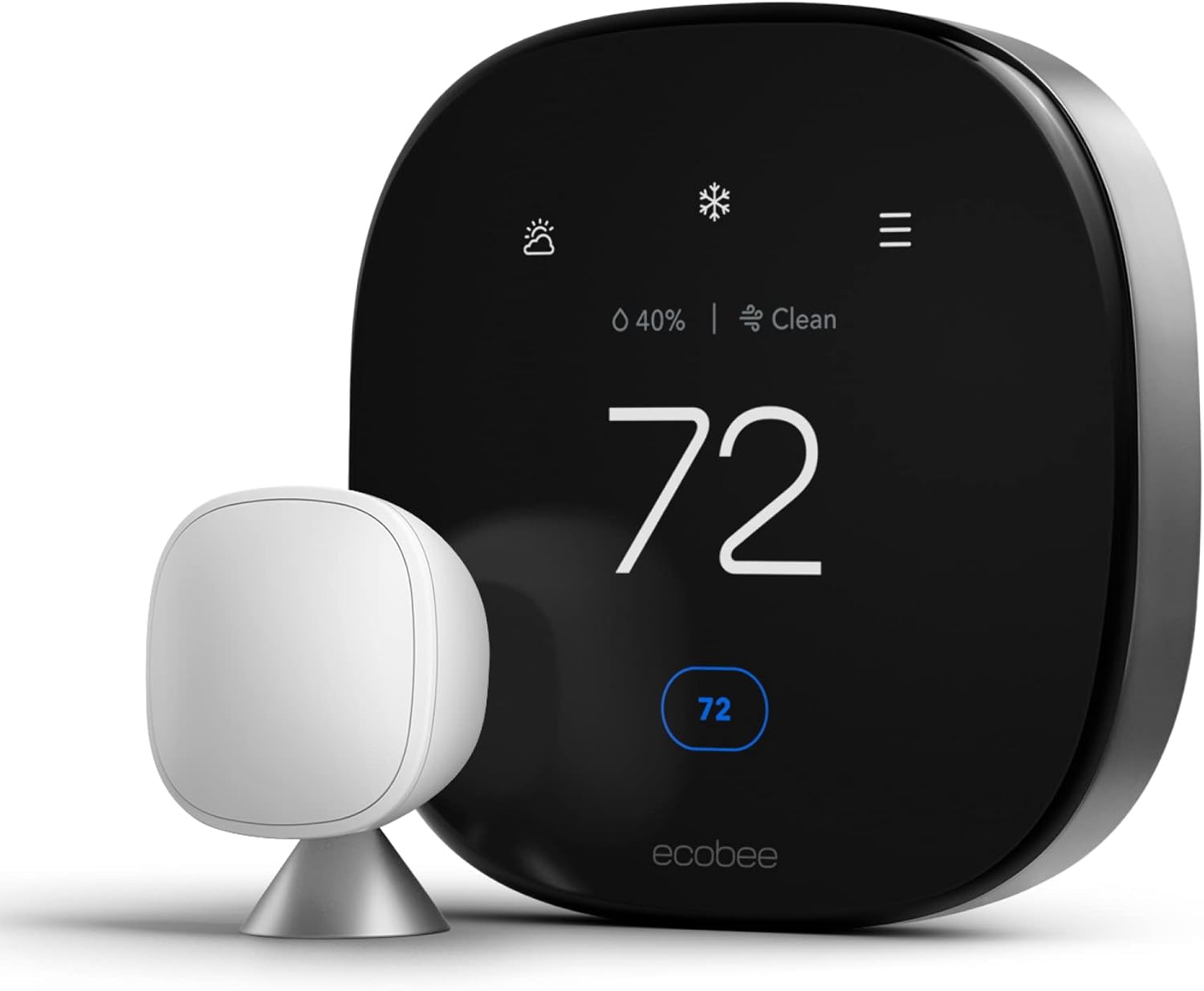
- Configure the thermostat: Follow the manufacturer’s instructions to configure the smart thermostat, including setting the temperature, scheduling, and any additional features like geofencing or smart home integration. For example, the Ecobee SmartThermostat offers a comprehensive web portal and mobile app for remote access and customization.
- Test the system: Turn the power back on and test the HVAC system to ensure it’s working correctly with the new smart thermostat. Check for any error messages or unusual behavior, and consult the user manual or manufacturer’s support resources if needed.
Key Considerations
When installing a smart thermostat, there are several important factors to consider to ensure compatibility and optimal performance:
System compatibility: Verify that your smart thermostat is compatible with your HVAC system, including the type of heating and cooling equipment, such as gas furnaces, heat pumps, or air conditioners. Some smart thermostats, like the Honeywell Home T9, offer universal compatibility, while others might require specific system configurations.
Power requirements: Check the power requirements of your smart thermostat and ensure it matches your HVAC system’s power configuration. Some thermostats require a C wire, while others can operate without one.
Wireless connectivity: If your smart thermostat relies on wireless connectivity, such as Wi-Fi or Bluetooth, ensure that your home network is stable and the thermostat is within range of the router.
Common Problems and Solutions
During the installation process, you might encounter some common issues. Here are a few problems and their corresponding solutions:
No C wire: If your system lacks a C wire, you can use a C wire adapter or a smart thermostat with a built-in C wire emulator. Alternatively, you can run a new C wire from the furnace or air handler to the thermostat location.
Incorrect wire connections: Double-check your wire connections to ensure they match the labels and terminals on the new thermostat. Consult the user manual or manufacturer’s support resources if you’re unsure.
System malfunction: If the HVAC system is not working correctly after installation, check for any error messages or unusual behavior. Consult the user manual or manufacturer’s support resources for troubleshooting guidance.
Wi-Fi connectivity issues: If your smart thermostat is having trouble connecting to your home network, restart the router and thermostat, and ensure they are within range of each other. You can also try moving the thermostat closer to the router or using a Wi-Fi range extender.
Pro Tips for Best Results
To get the most out of your smart thermostat, follow these expert tips:
Optimize your schedule: Take advantage of the smart thermostat’s scheduling features to optimize your temperature settings based on your daily routine and preferences.
Monitor energy usage: Use the smart thermostat’s energy usage tracking features to monitor your consumption and identify areas for improvement.
Integrate with smart home devices: Explore integration options with other smart home devices, such as lights, security systems, or voice assistants, to create a seamless and automated home experience.
FAQ
What is the average cost of a smart thermostat?
The average cost of a smart thermostat can range from $100 to $300, depending on the model, features, and brand. Some popular models, like the Nest Learning Thermostat, can cost around $200-$250, while more advanced models, like the Ecobee SmartThermostat, can cost upwards of $300.
Can I install a smart thermostat myself?
Yes, you can install a smart thermostat yourself, but it’s essential to have a basic understanding of electrical wiring and HVAC systems. If you’re not comfortable with the installation process, it’s recommended to hire a professional HVAC technician to ensure a correct and safe installation.
Do smart thermostats work with heat pumps?
Yes, many smart thermostats are compatible with heat pumps, but it’s crucial to verify the specific model’s compatibility before installation. Some smart thermostats, like the Honeywell Home T9, offer dedicated heat pump support and configuration options.
In conclusion, installing a smart thermostat can be a straightforward process if you’re well-prepared and follow the manufacturer’s instructions. By understanding the key concepts, terminology, and considerations, you’ll be able to choose and install the perfect smart thermostat for your home, optimizing your HVAC system and enjoying the benefits of improved comfort and energy efficiency. Remember to explore the advanced features and capabilities of your smart thermostat to get the most out of your investment.
🌡️ Recommended Products
Shop the best How to Install a Smart Thermostat — vetted and recommended by our experts.
Shop Smart Thermostats on Amazon →
As an Amazon Associate, we earn from qualifying purchases.
Related Guides & Reviews
- Thermostat 2026 Smart Thermostat Rebates Ultimate Guide Savings Calculator
- Thermostat Technical Troubleshooting Thermostat Wiring Guide
- Thermostat Technical Troubleshooting Hvac System Replacement Cost The Complete 2026 Guide
- Thermostat Comparison Nest Auto Schedule Vs Ecobee Smart Sensors
- Thermostat Best Smart Thermostat For Energy Savings Top Picks Features




 Home
Home
 Info
Info
 Compare
 Reviews
 Shop
Shop