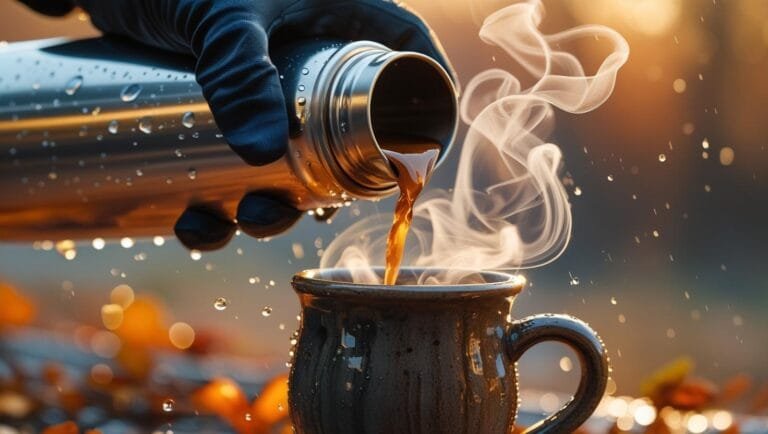
The Complete Thermos Guide: From Cleaning to Daily Use
Welcome to your definitive guide on the thermos. Whether you want to know how to use a thermos for the first time, how to clean a stubborn coffee smell, or even how to open a stuck lid, we’ve got you covered.
Quick Answers
- To keep things hot: Always pre-heat with boiling water for 5-10 minutes.
- To clean it: Use a bottle brush, soap, and water daily. For tough smells, use vinegar and baking soda.
- For stuck lids: Run the lid under hot water or use a rubber grip for better torque.
- For food: Use a wide-mouth thermos and pre-heat it just like you would for liquids.
A Brief History: From Dewar Flask to Modern Thermos
Before we dive into how to use one, it helps to understand what a “thermos” actually is. The technology behind every modern vacuum-insulated bottle—from a $15 supermarket pick to a $60 premium flask—traces back to a Scottish chemist named Sir James Dewar, who invented the vacuum flask in 1892 to keep gases cold during his cryogenics research. He never patented it. A German company called Thermos GmbH did, in 1904, after running a contest to name the new commercial product. The Greek word “therme” (meaning heat) gave us the brand—and over time, the brand name became the generic word for the entire category, much like “kleenex” or “xerox.”
The first commercial thermoses used hand-blown glass inner walls inside metal outer cases. These were fragile—drop one and the inner glass would shatter even though the outer shell looked fine, and you’d notice the failure only when your coffee went cold. The shift to all-stainless-steel double-wall construction in the 1960s and 70s changed everything: now bottles could survive job sites, camping trips, and the rough-and-tumble of daily commuting without losing their insulation. That’s the world we live in today, and it’s why a modern thermos can outlast a decade of daily use.
How a Thermos is Made: The Science of Keeping a Thermos Hot
Ever wonder how to make a thermos work so well? While you can’t easily build one at home, understanding its construction is key to using it effectively. A thermos, or vacuum flask, is essentially two bottles in one, separated by a vacuum.
- Inner and Outer Walls: These are typically made of food-grade stainless steel.
- Vacuum Insulation: All the air between the two walls is pumped out, creating a vacuum. Since there are almost no molecules in a vacuum, heat has nothing to transfer through, effectively stopping conduction and convection.
- Reflective Coating: The inner wall is often coated with a reflective layer to bounce heat radiation back into the liquid, which is crucial for figuring out how to keep a thermos hot for hours on end.
By creating a fortress against heat transfer, a well-made thermos can keep contents hot or cold for 12, 24, or even more hours.
The Three Heat-Transfer Pathways a Thermos Defeats
To appreciate what’s happening inside your thermos, you need to understand the three ways heat moves from a hot object to a cold environment, and how vacuum insulation defeats each one.
Conduction is heat moving through direct contact—the way a metal spoon in a hot pot warms up. A thermos defeats this by removing the molecules between the inner and outer walls. Heat can’t conduct through nothing. Convection is heat moving via air or liquid currents—the way a forced-air heater warms a room. With no air molecules in the vacuum gap, there’s nothing to circulate, so convection is essentially zero. Radiation is heat moving as electromagnetic waves (mostly infrared). The polished, mirror-finish interior wall reflects this radiation back toward the liquid, drastically reducing radiative heat loss.
Together, these three defenses transform an empty steel cylinder into a near-perfect insulator. The remaining heat loss happens primarily at the lid and at the small thermal bridges where the inner and outer walls join at the rim. Higher-end thermoses use thicker lid liners and minimize these thermal bridges, which is exactly why they outperform budget bottles by hours, not minutes. For a deeper engineering breakdown of why some thermoses can hold heat for a full day while others fail by lunch, our explainer on how vacuum insulation lets a thermos work for 24 hours walks through it in detail.
The Golden Rule: How to Heat Up a Thermos Before Use
The single most important step for maximum heat retention is pre-heating. If you pour a hot beverage into a cold steel thermos, the liquid wastes its energy heating the metal. Here’s how to heat up a thermos correctly:
- Fill your thermos with boiling water.
- Screw the lid on tightly to trap the steam and heat.
- Let it sit for at least 5-10 minutes. The outside should remain cool to the touch.
- Quickly discard the water and immediately fill it with your hot beverage or food.
For cold items, the process is reversed. Fill it with ice water for 5-10 minutes to pre-chill the inner wall.
Why 5–10 Minutes Specifically?
The number isn’t arbitrary. The thermal mass of a typical 16-oz stainless steel thermos is about 220 grams of steel. Bringing that mass from room temperature (~70°F) up to 200°F requires roughly 6,700 joules of thermal energy—energy that, without preheating, would be stolen straight from your beverage. Boiling water in contact with the inner wall transfers this energy efficiently, and after 5 minutes, most of the steel has reached temperatures within 10°F of the boiling water. By 10 minutes, equilibrium is essentially complete. Going beyond 10 minutes doesn’t add meaningful benefit; cutting it shorter than 5 minutes leaves significant cold mass behind. We dedicated an entire article to the timing math in our piece on thermos pre-treatment with 5–10 minute preheating.
The Cumulative Effect
Skipping preheating is the single most common mistake new thermos users make. The thermal cost is invisible at the moment—your soup goes in steaming, the lid closes, life proceeds. But by lunchtime, that 200°F soup is now 145°F instead of 175°F because of the heat the cold steel walls absorbed. That 30°F difference is the difference between “perfectly hot” and “barely warm.” Over the lifetime of a thermos, the user who consistently preheats gets vastly more value out of the same hardware than the user who doesn’t.
Pro Tip: Microwaves Are Not for Preheating
You cannot put a stainless steel thermos in a microwave to preheat it. The metal walls reflect microwaves, which can damage the magnetron in your appliance and create dangerous arcing. Always preheat with hot water from a kettle or stovetop. Microwaving a thermos is one of those mistakes that can ruin both the thermos and the microwave in a single attempt.
Beyond Drinks: How to Keep Food Warm in a Thermos
A thermos isn’t just for coffee. It’s a fantastic tool for a hot lunch on the go. The principles for how to keep food warm in thermos are the same as for liquids.
- Choose a Wide-Mouth Thermos: This makes it easier to fill, eat from, and clean.
- Pre-heat Thoroughly: This is even more critical for food. Use boiling water as described above.
- Food Must Be Piping Hot: Heat your soup, stew, or chili to a temperature hotter than you would normally eat it. The thermos will maintain, not increase, the heat.
- Fill it Up: A full thermos has less air space and will keep food warm for much longer.
Best Foods for Thermos Lunches
Some foods are perfect candidates for a thermos lunch; others are guaranteed disappointments. The ideal thermos foods share three traits: they’re naturally moist, they reheat well, and they have enough thermal mass to retain heat through your transit time.
Soups, stews, and chilis are the classic thermos food, and for good reason. Liquid water has the highest specific heat capacity of any common substance, so it holds onto heat extraordinarily well. Beef stew, lentil soup, French onion, minestrone, chicken noodle, and clam chowder all travel beautifully. For purpose-specific recommendations on the bottles that handle soup best, including the lid features that prevent disaster on the way to lunch, see our roundup of the 7 best thermoses for soup.
Pasta dishes with generous sauce coverage—spaghetti and meatballs, mac and cheese, baked ziti—work well. Avoid dry pastas with light olive-oil dressings; they clump and dry out. Rice bowls and curries are excellent because the rice provides thermal mass and absorbs flavors during the wait. Indian dal, Japanese donburi, Thai curries, and Chinese stir-fries layered over rice all do the job. Oatmeal and hot cereals can even be cooked in transit—add the dry oats, hot water/milk, and toppings to a preheated jar before leaving the house, and your morning commute becomes prep time.
Foods to Avoid
Skip anything you want crispy: fried chicken, fries, tempura, croutons. The moist sealed environment turns crunch into mush. Skip raw vegetables in hot liquids unless you want them wilted—blanch separately if you want crisp veggies. Skip dairy-heavy foods that need to stay cold but also items containing live cultures (yogurt, kombucha) that would die above 110°F. And never put carbonated drinks in a sealed thermos—pressure builds dangerously as temperatures equilibrate.
Worksite Lunches: Thermos vs. Bento Box
For workers who eat lunch on a job site, in a vehicle cab, or at a remote outdoor location, the choice between a vacuum thermos and a Japanese-style bento box system is worth thinking through carefully. Bento boxes excel at room-temperature foods—sandwiches, salads, sushi, cold pasta—and present them in beautiful, portion-controlled compartments. They fail completely at hot foods, however, because they lack vacuum insulation. By 11 AM, a bento’s “hot” rice has cooled to room temperature, sliding into the food-safety danger zone. The right answer for hot-meal worksite lunches is a thermos. Our piece comparing worksite lunch systems with thermos vs. bento works through the trade-offs in detail.
How to Clean a Thermos Flask for Perfect Taste Every Time
Proper cleaning is essential. If you don’t know how to clean a thermos correctly, you’ll end up with lingering tastes and smells. A dirty flask can ruin a perfect cup of coffee.
Daily Cleaning
After every use, rinse with warm water and use a bottle brush with mild dish soap to scrub the interior walls and the threads of the lid. Air dry with the lid off.
Deep Cleaning: How to Remove Coffee Smell From Thermos
Over time, coffee oils can build up and create a stubborn smell. Here’s how to remove coffee smell from thermos and other tough stains:
The Vinegar & Baking Soda Method:
- Pour about two tablespoons of baking soda into your empty thermos.
- Fill it halfway with white vinegar. The mixture will fizz—this is the cleaning action at work!
- Once the fizzing subsides, top it off with hot water.
- Seal the lid and let it sit for several hours or overnight.
- Scrub with a bottle brush and rinse thoroughly. This will neutralize odors and lift stains.
Smell Removal by Source
Different smells respond best to different cleaning approaches. The vinegar-and-baking-soda method handles most cases, but for stubborn problems, here’s a source-specific guide:
Coffee and Tea
Coffee oils are the most common cause of lingering odors. The tannins and oils bond to stainless steel surfaces and resist soap. After the vinegar-and-baking-soda treatment, run a final rinse with denture-cleaning tablets dissolved in hot water—the same enzymes that lift stains from dentures lift coffee residue from steel. For preventive maintenance, never let coffee sit in your thermos for more than 24 hours. Empty and rinse same-day, and you’ll rarely face deep odor problems.
Soup and Broth Residue
Animal fats from chicken, beef, or pork stocks leave a film that can develop a slightly rancid smell over weeks. Soak overnight with a hot water and dish soap solution, then scrub with a bottle brush. Follow with a vinegar rinse. If the smell persists, the gasket has likely absorbed the odor—replace it.
Dairy (Milk, Cream, Yogurt Smoothies)
Dairy proteins are particularly problematic because they cling to interior walls and quickly develop a sour smell as they spoil. Clean immediately after use. If you’ve forgotten and the smell has set in, fill with hot water and a tablespoon of bleach (yes, this is the one exception to the “no bleach” rule, used carefully). Let sit 10 minutes only, then rinse exhaustively—at least 5 thorough rinses before next use.
Smoke or Fuel Smells
For thermoses that have been in environments with strong external odors (campfires, garages, fuel storage), the issue is usually the gasket and exterior coating absorbing odor molecules. Clean exterior with mild soap and water, replace the gasket, and air the bottle outdoors for 24 hours.
Persistent Metallic or “Off” Tastes
Sometimes a thermos develops a metallic taste even after thorough cleaning. This usually means the gasket has aged and is leaching trace compounds. Replacement gaskets cost $5–10 from most quality manufacturers and solve the problem permanently.
Choosing the Right Size: Capacity Guide
Capacity is where buyers most often get it wrong. Bigger isn’t better; right-sized is. A half-full thermos performs measurably worse than a full one because the trapped air in the headspace robs heat from your food. Here’s a practical sizing guide:
| Capacity | Best For | Typical Use Case |
|---|---|---|
| 10–12 oz | Children, single small serving | Kid’s lunch, single coffee, snack-sized soup |
| 16 oz | Standard adult serving | Office lunch, daily coffee, single-meal soup or stew |
| 20–24 oz | Hearty appetite or extended day | Larger lunches, all-morning hot beverage, hiking |
| 32 oz | Half-day hydration | Office water, light outdoor work, road trips |
| 40 oz | All-day or shared use | Long workdays, family camping, bigger appetites |
| 64 oz / 2 qt | Job-site or group use | Construction work, fishing trips, group camping |
Remember: an under-filled big thermos performs worse than a properly sized full one. If your typical lunch is 12 oz, don’t buy a 24 oz “in case you need more sometime.” Buy the size that matches your actual use, every time.
Lid Types and What They Mean for You
The lid is where good thermoses distinguish themselves from great ones. A perfect vacuum body is undermined by a leaky lid; a clever lid can compensate for a merely-good body. Here are the major lid styles and where each excels.
Threaded Stopper Lids
The traditional design: a plastic stopper threads directly into the bottle neck, with an outer cup that screws separately and serves double-duty as a drinking vessel. The Stanley Classic uses this, essentially unchanged since the 1940s. It’s bulletproof—coarse threads, deep engagement, virtually no failure points beyond the gasket. The downside is slow operation; you can’t open it one-handed in a moving vehicle.
Pour-Through Lids
Found on bottles like the Thermos Stainless King: a button or lever in the cap allows pouring without fully unscrewing the lid, which conserves heat. Excellent for users who pour repeatedly throughout the day (drip-style coffee drinkers, soup eaters who refill a cup multiple times). More moving parts means more potential failure points, though, and the mechanisms can clog with food residue.
Flip Caps and Sip Lids
Designed for water bottles and active use: a built-in straw or sip spout flips up for drinking. Hydro Flask’s Flex Sip and Owala’s FreeSip are popular examples. Convenient but typically less leak-proof than screw-on lids. If you carry the bottle horizontally in a backpack, test the leak-proof claim with water before trusting it with electronics nearby. Our hands-on Owala FreeSip dual-flow lid leak-proof test walks through what to actually check.
Push-Button and Lever Lids
Modern designs use a single button or lever to open and close in one motion. Convenient but introduces the most potential failure points. The button mechanism can stick, the internal spring can weaken, and the assembly is harder to clean thoroughly. Better suited for adult use than children, and best for casual rather than rough-duty applications.
Insulated Bowl Lids
The Stanley Classic’s signature feature: the entire upper portion of the lid unscrews and inverts to become a bowl. Brilliant for outdoor use where you don’t want to pack extra dishes. Adds weight and bulk—worth it for camping, overkill for desk lunches.
Pressure-Relief Valves
A small one-way valve in the lid lets pressure equalize without letting food escape. Useful because thermal expansion in a sealed bottle can pressurize the contents and lock the lid. Premium thermoses include this feature; budget bottles usually don’t, which is why their lids sometimes won’t budge after a chilly commute.
How Long Does a Thermos Actually Hold Heat or Cold?
Manufacturers love to advertise impressive numbers—”24 hours hot!”—but real-world performance depends on multiple variables. Here’s what to actually expect.
Heat Retention: The Big Picture
A quality 16-oz vacuum thermos preheated correctly and filled with boiling water will hold contents above 140°F (the food-safety threshold) for roughly 8–12 hours. Larger bottles hold proportionally longer because of greater thermal mass: a 40-oz bottle holds 18–24 hours under the same conditions. Premium brands (Stanley, YETI) routinely exceed advertised specs; budget brands often underperform them by 30–50%.
The variables that matter most: starting temperature (every 10°F higher buys roughly an hour of additional hot time), fill volume (filling to 90%+ rather than 50% can double retention time), preheating quality, and ambient temperature (a bottle left in a 30°F car loses heat faster than one in a 70°F office).
Cold Retention: Usually Better Than Hot
Counterintuitively, the same bottle holds cold longer than hot. Why? The temperature gradient between cold contents (32°F) and ambient air (70°F) is smaller than between hot contents (200°F) and ambient air. Heat transfer scales with the temperature difference, so cold beverages stay cold longer than hot beverages stay hot. A bottle rated for 12 hours hot retention typically rates 24 hours cold retention. Adding ice extends cold retention even further because the ice-melt phase transition absorbs additional heat.
Brand-by-brand cold-retention performance varies more than hot performance. Our hands-on test in the Hydro Flask vs. Klean Kanteen 24-hour ice-retention test showed surprising results that don’t always align with marketing claims. Similarly, our Corkcicle triple-insulated vs. Yeti double-wall cold test revealed that more layers don’t always mean better performance.
What Reduces Performance
- Frequent opening: Every time you open the lid, you lose 10–15°F of accumulated heat. Trust the thermos and don’t peek.
- Under-filling: Trapped air robs heat. Fill to at least 80% capacity.
- Skipping preheat: The single biggest user-error.
- Cold storage location: Leaving a hot-packed thermos in a freezing car accelerates heat loss dramatically.
- Aged gaskets: Old gaskets allow slow heat transfer through the cap, which masquerades as “vacuum failure” but is actually replaceable.
Use-Case Deep Dive: Choosing for Your Lifestyle
The “best” thermos is the one matched to how you’ll actually use it. Here’s a use-case-by-use-case breakdown.
For the Office Worker
Daily commute from refrigerator to desk, no temperature extremes. Almost any quality thermos works. Prioritize aesthetic, ease of cleaning, and a leak-proof lid (no one wants tomato soup in their backpack). 12–16 oz is the sweet spot for most adults; 24 oz for hearty appetites or extended-shift workers.
For the Construction Worker / Tradesperson
Job sites are brutal. A thermos lives in a steel toolbox, gets dropped, exposed to dust and concrete, and must stay shut despite rough handling. Capacity should be substantial (32 oz minimum for half-day, 64 oz / 2 quart for full-day hydration in heat). The Stanley Classic 2.0 qt earns its century-old reputation in this environment. Drop-test data confirms what generations of welders, ironworkers, and electricians have known: it survives. Our deep-dive on the most durable thermos for job-site drops covers the full lineup of contenders.
For the Hiker or Backpacker
Hot food on a cold mountain is one of life’s true pleasures. Hikers prioritize weight (every ounce in a backpack matters) and compact form. The 12 oz size is often ideal for solo trips; couples or families might want 24 oz to share. Preheating with boiling water before adding the food is essential—the temperature difference between trail conditions and a freshly-boiled meal is dramatic, and the thermos can’t make up for skipped preheat. Our roundup of the best thermos for camping covers the trade-offs that matter on the trail.
For the Gym Goer
Post-workout meals demand high protein, easy-eating, and immediate readiness. A thermos full of chili or stew waiting in the locker after an 80-minute session is a world apart from a cold protein bar. Some gym-goers also use thermoses for cold protein shakes that need to stay refrigerator-cold during the workout. Sip-style lids (Owala, Hydro Flask Flex Sip) work well for water; wide-mouth food jars are better for solid meals. Our list of the best thermos for gym use covers both directions.
For the Road Tripper
The cup-holder fit becomes critical here. Most modern thermoses are designed around the 3-inch standard for vehicle cup holders, but some larger bottles (Stanley Quencher 40 oz, Stanley Classic 2.0 qt) require careful fit-checking. Trying to drive with a wobbly bottle on the passenger seat is dangerous. Our comparison of Stanley Quencher FlowState vs. Yeti Rambler cup-holder fit looks specifically at this trade-off.
For the Parent Packing School Lunches
Kids’ thermoses must be: easy to open with small hands, light enough for a backpack alongside textbooks, durable enough to survive cafeteria-floor drops, and visually appealing enough that the child will actually use it. 10–12 oz is the right size; threaded screw lids are easier than push-buttons; bright colors aren’t optional if you want compliance.
For the Daily Commuter
Buying for portability and leak-resistance is paramount. A leaking bottle on the train or subway is a small disaster. The leak-resistance head-to-head we ran in our Simple Modern Trek vs. Stanley Quencher leak resistance piece showed which models actually deliver in horizontal-bag conditions. Don’t trust marketing; test before commute-day.
Materials Deep-Dive: What “Stainless Steel” Actually Means
“Stainless steel” sounds simple, but there’s enormous variation in quality. Understanding the grades helps you avoid bargain-bin disappointments and recognize what you’re paying for in premium bottles.
18/8 (Type 304)
The default for nearly all premium consumer thermoses. 18% chromium, 8% nickel, balance iron with small amounts of manganese and carbon. Tough, polishable to a mirror finish, food-safe, dishwasher-safe, corrosion-resistant in everyday environments. All quality consumer thermoses use 18/8 (304). For 99% of users, this is the right grade.
18/10 (a Variant of 304)
Same chromium content as 18/8 but with 10% nickel. Slightly more corrosion-resistant, slightly easier to polish, slightly more expensive. The performance difference for thermos applications is essentially cosmetic. Some premium brands market 18/10 as a selling point; the actual engineering benefit over 18/8 is minimal.
Type 316 (Marine Grade)
Adds 2–3% molybdenum to the 304 alloy, dramatically improving resistance to chloride corrosion. Matters if you use your thermos around saltwater (fishing boats, beaches, offshore platforms). Inland use makes 316 overkill. A few specialty bottles aimed at marine markets use 316; mainstream bottles don’t.
Type 430 and 200-Series
Avoid these. Ferritic 430 stainless contains little or no nickel, is magnetic, much less corrosion-resistant, and prone to interior staining and metallic taste transfer. The 200-series substitutes manganese for nickel, making them cheaper but reducing corrosion resistance and sometimes leaving an unpleasant metallic taste. Bargain thermoses sometimes use these grades; the savings rarely justify the performance penalty. If a thermos doesn’t specify its steel grade, assume the worst.
Plastic and Silicone Components
Lids and gaskets are typically plastic and silicone respectively. Quality brands explicitly use BPA-free plastics and food-grade silicone. The chemistry matters: BPA (bisphenol A) was a common plastic plasticizer linked to health concerns, leading to reformulations in the 2010s. Reputable brands (Stanley, YETI, Hydro Flask, Klean Kanteen, Thermos LLC) all use BPA-free components. Off-brand bargain thermoses sometimes don’t make this guarantee; check the listing carefully if BPA is a concern.
Food Safety: Storage Rules Everyone Should Know
The Temperature Danger Zone
The USDA defines 40°F to 140°F as the “danger zone” where bacteria can multiply rapidly. Hot food should be kept above 140°F; cold food below 40°F. A properly preheated thermos will keep hot food above 140°F for at least 5–6 hours; a properly precooled one keeps cold food below 40°F for 10+ hours. Outside these windows, bacterial growth becomes a real concern.
Hot Food Maximum Hold Times
For food safety, treat 4–5 hours as your conservative limit for hot food in a thermos. After 5 hours, even quality bottles may have allowed food to slip below 140°F. If you’ve followed every preheat step rigorously and the food was at boiling temperature at packing, you can extend safely to 6 hours in top-tier thermoses. Beyond that, reheat thoroughly or skip the meal. Trust your senses too—if the food smells off, looks off, or feels barely warm rather than hot, don’t eat it.
Cold Food Maximum Hold Times
Cold food has a wider window because the temperature gradient is smaller and modern bottles hold cold extremely well. 8–10 hours is the conservative limit for general cold food (salads, fruit, sandwiches stored cold). Pure ice water can stay below 40°F for 24 hours in a quality bottle. Dairy products (yogurt, milk) are the exception—even when cold, they begin degrading after 6 hours of any temperature fluctuation, so consume them earlier in the day.
Foods That Need Special Care
- Dairy and milk-based items: Heat thoroughly before packing (steaming hot, not just warm). Consume within 4–6 hours. Clean immediately after use.
- Meat-based stews and chilis: Bring to a rolling boil before packing. The combination of high starting temperature and good thermal mass keeps these in the safe zone for 6+ hours.
- Egg dishes: Particularly sensitive to bacterial growth. Heat to at least 165°F before packing. Don’t let sit beyond 4 hours.
- Seafood: Among the most rapidly spoiling foods. Pack only freshly cooked seafood at high temperature. Consume within 3–4 hours.
- Cooked rice: Surprisingly susceptible to a particular bacterium (Bacillus cereus) that survives boiling. Refrigerate before packing if rice was cooked the previous day; do not pack room-temperature cooked rice.
Travel and TSA Rules
Taking a thermos on a flight involves both safety considerations and TSA regulations. Here’s what you need to know.
Empty vs. Full
An empty thermos passes TSA without issue, in either carry-on or checked luggage. A filled thermos containing more than 3.4 oz of liquid (which all standard sizes exceed) cannot pass through carry-on screening. The standard solution: empty before security, then refill at a restaurant or water fountain after security.
Cargo Hold Considerations
Vacuum-insulated bottles tolerate cargo-hold pressure and temperature swings well, but pack them with the lid loose to allow internal pressure to equalize. A tightly sealed bottle subjected to extreme altitude pressure changes can stress the lid mechanism or even rupture the gasket seal. Loose-lid packing also prevents any residual moisture from creating a sealed-mildew problem during the flight.
International Travel
Some countries have stricter restrictions on insulated containers as anti-tampering precautions. UK regulations occasionally flag stainless steel containers in carry-on for additional inspection. Allow extra time at security if traveling internationally with thermoses, and pack them in checked luggage when convenient.
Common Mistakes That Hurt Thermos Performance
These ten mistakes account for most of the “my thermos doesn’t work as advertised” complaints. Avoiding them is easier than complaining about them.
- Skipping the preheat. Already covered, but worth repeating because it’s the biggest single error.
- Filling less than 80% full. Trapped air robs heat. Match capacity to your serving size.
- Packing lukewarm food. The thermos preserves the temperature you put in. Cold-out-of-the-microwave at home means cold-at-lunch. Reheat thoroughly.
- Opening to “check.” Every peek loses 10–15°F. Trust the thermos.
- Storing in cold locations. Don’t leave a hot-packed thermos in a freezing car. Keep it in your bag, indoors.
- Letting food sit overnight without cleaning. Bacterial growth in residue inoculates tomorrow’s contents.
- Using rechargeable batteries (n/a for thermos but applies to thermos thermometer accessories).
- Buying for aesthetics over function. A beautiful but thin-walled thermos is worse than an ugly but well-built one.
- Not replacing worn gaskets. A 4-year-old gasket is past its prime. Annual replacement is cheap insurance.
- Putting metal parts in the microwave. Worth restating because the consequences are severe.
Maintenance Schedule: Make Your Thermos Last 15 Years
A quality thermos can easily last 10–15 years with proper care. Neglected, it might fail in 2–3. The difference is mostly in your hands.
Daily
- Empty and rinse within 2 hours of finishing your meal/beverage.
- If at the office, a quick hot-water rinse at the sink is enough.
- Air dry with the lid off whenever possible.
Weekly
- Disassemble lid completely (gasket out if your model allows).
- Wash all components in hot soapy water with a bottle brush.
- Pay attention to threading where coffee oils accumulate.
- Air-dry thoroughly before reassembly.
Monthly
- Run a vinegar-and-baking-soda deep clean cycle.
- Inspect the gasket for cracks, hardening, or discoloration.
- Check the exterior for chip points where coating has worn through.
Annually
- Replace the gasket. This single habit extends bottle life dramatically.
- Test heat retention against fresh-from-the-store performance—if it’s dropped significantly, the vacuum may be failing.
- Inspect bottle base and rim for dents that might indicate vacuum compromise.
When to Repair vs. Replace Your Thermos
A thermos failure isn’t always the end. Many problems are repairable; some aren’t. Here’s how to decide.
Repairable
- Aged or hardened gaskets. $5–10 replacement; most major brands sell them.
- Damaged or worn lid components. Stanley, Hydro Flask, and YETI all sell replacement lids. Cost typically $15–30 vs. a new bottle at $40–80.
- Persistent odors. Deep-clean protocols or gasket replacement nearly always solve this.
- Cosmetic dents and chips. Don’t affect function. Touch-up paint pens are available for some brands.
- Lost lids. Replacement lids are usually available for $10–30.
Replace
- Vacuum failure. If the outer wall feels warm/cold to the touch when contents are at extreme temperature, the vacuum is compromised. There’s no consumer fix.
- Severe interior corrosion. Visible pitting on the inside means the steel is damaged; replace.
- Cracked inner liner. Drops can sometimes crack the inner stainless wall; the bottle still holds liquid but won’t insulate properly.
- Persistent leaks despite new gasket. May indicate a damaged threading at either the bottle neck or lid that can’t be reliably repaired.
Eco-Friendly Considerations
A thermos is one of the more environmentally beneficial products you can own. Every reusable bottle replaces hundreds or thousands of single-use cups and bottles over its lifetime. Beyond the basic reuse benefit, here are deeper considerations.
Recycled Stainless Steel
Klean Kanteen pioneered consumer-grade thermoses made with certified 90% recycled stainless steel without compromising the alloy properties. Producing recycled stainless requires roughly 70% less energy than virgin production. The metallurgical properties remain identical. If sustainability matters to your purchase decisions, recycled-content steel adds value without subtracting performance.
End-of-Life Recycling
Stainless steel is among the most recyclable materials on Earth. When your thermos finally fails (which may take 15+ years), the steel can be recycled indefinitely without quality loss. The plastic and silicone components require separate recycling streams; check local programs. Some manufacturers offer take-back programs for end-of-life products.
Coffee-Cup Reduction
Conservatively, a daily coffee-shop user who switches to a thermos eliminates 250+ disposable cups per year. Over a 15-year thermos lifespan, that’s roughly 3,750 cups not entering waste streams. Many coffee shops also offer small discounts (5–25¢) for bringing your own cup, paying for the thermos itself within 1–2 years on coffee alone.
Carbon Footprint of Manufacturing
A premium thermos has a higher initial carbon footprint than a budget one (more steel, more processing). However, because premium bottles typically last 3–5x longer, the lifetime carbon footprint per year of use is actually lower for premium products. The disposal-and-replacement cycle of cheap thermoses is the more wasteful approach in the long run.
Thermoses for Kids: Safety and Selection
Picking a thermos for a child involves considerations beyond the adult-purchase calculus.
Operability
Smaller hands have less grip strength. A thermos that requires significant torque to open will frustrate a young child and may end up unused (or, worse, opened by an adult and then carried half-loose, leading to spills). Threaded screw lids with large grip surfaces work better than push-button mechanisms for younger users. Flip-cap straws are easiest for kids 4–8.
Weight
A 16-oz adult thermos can weigh nearly a pound empty—too heavy for a small child carrying it in a backpack alongside textbooks. 10–12 oz sizes weigh about half a pound and are more practical. The trade-off is shorter heat retention, which usually doesn’t matter because children typically eat lunch within 4–5 hours of packing.
Drop Survival
School cafeteria floors are concrete or hard tile. Bottles get dropped daily. Premium brands (Stanley, YETI, Hydro Flask, Klean Kanteen) handle this routinely; budget thermoses often crack or dent within months. The cost difference between a $25 quality kid’s thermos and a $10 cheap one usually pays back in the first year through avoided replacements.
Hot-Liquid Safety
For young children (under 8), avoid filling thermoses with hot liquids. The sealed environment prevents the natural cooling that warns kids “this is too hot.” A spilled hot soup or coffee can cause serious burns. Pack warm-not-hot soups, lukewarm cocoa, or save hot beverages for older children.
Material Safety Verification
For kids’ thermoses, confirm: BPA-free certification, food-grade stainless steel (304 or 18/8 minimum), no lead in solder (relevant for older or imported products), and lead-free paint exterior. The major brands meet all of these standards by default; off-brand budget thermoses sometimes don’t.
Troubleshooting: Common Thermos Problems and Solutions
Even the best thermoses can present a challenge now and then. Here are a couple of common issues and how to solve them.
How to Open a Thermos Lid That Is Stuck
A stuck lid is usually caused by a pressure differential (especially with hot contents cooling) or residue on the threads. Don’t panic, here’s how to get it open:
- Run Hot Water: Turn the thermos upside down and run hot water over the lid (not the body) for about a minute. The heat will cause the lid to expand slightly, often breaking the seal.
- Add Grip: Wrap a rubber band around the lid or use a rubber kitchen glove to get a much better grip and more torque.
- Tap Gently: Gently tap the edge of the lid on a solid surface like a countertop. This can sometimes be enough to break the vacuum seal.
Why Does My Thermos Smell Even After Cleaning?
The most common culprit is the gasket—silicone absorbs odors over time and once saturated, transfers them back to whatever you put in next. Try removing the gasket and washing it separately with hot soapy water plus a baking soda paste. If the smell persists, replace the gasket; manufacturer parts cost $5–10. The rubber lid components and threading can also harbor odors; disassemble lids fully when deep-cleaning.
My Thermos Has Lost Heat Retention. Is It Broken?
Probably not—at least not yet. The most common cause is an aged gasket. Replace the gasket first; it solves the problem 80%+ of the time. If retention is still poor with a fresh gasket, check the outer wall: feel it after filling with very hot water. A working vacuum keeps the outer wall near room temperature; a failed vacuum lets the outer wall match the contents’ temperature. Vacuum failure is unrepairable; the bottle should be replaced.
Why Do Cold Drinks Develop Condensation on the Outside?
Some condensation around the lid threading and on the cap is normal—it’s airborne moisture condensing on cold surfaces, just like a cold drink glass on a humid day. However, condensation on the body of the bottle (not just the lid area) suggests the vacuum has degraded. A working vacuum keeps the outer wall close to room temperature, which prevents condensation. Persistent body condensation means it’s time for a new bottle.
What If My Thermos Has Started Leaking?
First, identify where it’s leaking. Fill with water, seal, and invert over a sink. If water emerges from the gasket interface, replace the gasket. If from the body itself (visible cracks or seams), the bottle is unrepairable. If the leak appears at the threading where lid meets body, look for cross-threaded damage from prior over-tightening; sometimes careful re-threading by hand resolves it. Lid replacements are available for most brands at $15–30.
Brand-by-Brand Comparison: Major Thermos Makers in 2026
A handful of brands dominate the premium thermos market, each with distinct strengths and weaknesses. Understanding the brand DNA helps you match a product to your needs rather than just buying whatever has the most reviews.
Stanley
Founded in 1913, Stanley is the original American workhorse thermos brand. Their Classic Legendary line has been used by tradespeople, ranchers, and outdoor workers for generations. Known for indestructible construction, generous capacities (up to 2 quarts standard), and lifetime warranties that the company actually honors—Stanley routinely replaces 30+ year old bottles. The trade-off is weight; their bottles are noticeably heavier than competitors. Stanley has also expanded into trendy lifestyle products (the Quencher tumbler line) which serve different priorities than their classic lineup. Their classic line is the right choice for industrial-grade durability; their newer lines for daily-carry aesthetics.
YETI
Founded in 2006, YETI represents the modern premium evolution of vacuum insulation. Their Rambler bottles use thick-gauge 18/8 steel with a proprietary DuraCoat finish that resists chipping better than most competitors. YETI’s strength is the combination of toughness with refined design—they manage to look premium while genuinely surviving abuse. The 5-year warranty is shorter than Stanley’s lifetime but well-honored. Premium pricing is the trade-off; expect to pay 30–50% more than equivalent capacity from Thermos LLC or budget brands.
Hydro Flask
Founded in 2009 in Bend, Oregon, Hydro Flask popularized the colorful, lifestyle-oriented insulated bottle category. Their Standard Mouth and Wide Mouth lines compete directly with YETI on insulation performance while offering broader color and finish options. Hydro Flask bottles are slightly less rugged than Stanley or YETI in extreme conditions but excel for office, school, and recreational use. Their interchangeable lid system is genuinely useful—you can swap a standard cap for a sport sip cap or a coffee flex cap depending on your needs.
Klean Kanteen
Founded in 2004, Klean Kanteen pioneered the consumer move from plastic water bottles to stainless steel. Their TKWide and TKPro lines use certified 90% recycled steel and PFAS-free Klean Coat finishes. Performance is competitive with the leaders; the brand’s differentiation is environmental credentials. For buyers prioritizing sustainability without sacrificing quality, Klean Kanteen is the obvious choice. The TK Closure internal-thread lid system improves thermal performance and adds modular cap compatibility.
Thermos LLC (the Original Brand)
The company that started it all, founded after acquiring Dewar’s vacuum flask patent in 1904. Modern Thermos LLC products are solidly built and competitively priced. The Stainless King line is genuinely premium; the budget-tier Thermos products represent a value sweet spot for users who don’t need the absolute toughest construction. The brand often gets overshadowed by trendier competitors despite consistently offering excellent value.
Owala
A relatively newer entrant that has earned attention for its FreeSip dual-flow lid—designed to allow either sipping or chugging without removing the lid. The lid mechanism is genuinely clever, but leak-resistance varies by exact model and condition. Our hands-on Owala FreeSip leak-proof test goes through what to verify before trusting one in a backpack with electronics nearby.
Simple Modern
Value-oriented: similar quality to mid-tier Hydro Flask at noticeably lower prices. Their Trek line competes directly with Stanley Quencher tumblers. Drop tolerance is more comparable to Hydro Flask than Stanley—fine for office and recreational use, less ideal for industrial environments. For users prioritizing value over absolute toughness, Simple Modern delivers a lot of bottle for the money.
Corkcicle
Distinguished by triple-insulated construction (an extra layer beyond the standard double-wall vacuum approach), Corkcicle bottles aim for marginal additional cold retention. Whether the extra layer delivers measurable benefit is debatable—our Corkcicle triple-insulated vs. YETI double-wall cold test found smaller differences than marketing implies. The aesthetics and finishes are distinctive; performance is competitive but not dramatically superior.
Zojirushi
Japanese-engineered specifically for thermal performance. Zojirushi’s hot retention numbers are best-in-class for their size, often exceeding the larger American brands. Durability is good but not at Stanley’s level. The Zojirushi premium line is ideal for users who prioritize pure thermal performance over rugged-duty toughness. Common in office, travel, and culinary use where bottles aren’t exposed to extreme physical abuse.
Real-World Buying Scenarios: Putting It All Together
Now that we’ve covered the technology, materials, and brands, let’s walk through realistic buying scenarios. These are the actual decision matrices that work for most people.
Scenario 1: “I Need a Coffee Thermos for the Office”
Profile: Drives or commutes to the office, drinks one large coffee through the morning, occasionally extends a hot beverage into early afternoon. Needs cup-holder compatibility and easy one-handed operation.
Recommendation: 16–20 oz vacuum bottle from Hydro Flask, YETI, or Thermos LLC. Choose a flex-cap or pour-through lid for easy office use. Skip the 32+ oz sizes unless you genuinely drink that much coffee. Budget: $25–45.
Scenario 2: “I Need a Lunch Thermos for Work”
Profile: Packs hot soup, stew, or chili for lunch from home. Eats at desk or break room. Travel time is 30–60 minutes morning-only.
Recommendation: 16 oz wide-mouth food jar from Stanley or Thermos LLC. The wide mouth makes eating easy with a normal spoon and cleaning straightforward. Preheat religiously. Budget: $25–40.
Scenario 3: “I’m a Construction Worker / Outdoor Laborer”
Profile: 8–12 hour shifts in heat or cold. Bottle lives in toolbox, gets dropped, exposed to dust and weather. Hydration is essential safety equipment.
Recommendation: Stanley Classic Legendary 1.5–2.0 quart for primary water. Consider a separate 16 oz Stanley food jar for hot lunch. Budget: $50–100. The cost amortizes to pennies per workday over the bottle’s lifetime.
Scenario 4: “I’m Buying for My Kid’s School Lunch”
Profile: Elementary or middle school child carrying lunch in a backpack. Bottle drops on cafeteria floor regularly. Needs to be opened by small hands without adult help.
Recommendation: 10–12 oz Hydro Flask or Klean Kanteen with a screw-on lid (not push-button). Bright color of child’s choice. Don’t pack hot soup for young children; warm-not-hot or cold contents only. Budget: $20–35.
Scenario 5: “I’m Going Camping or Backpacking”
Profile: Multi-day outdoor trip with limited resources. Weight matters because everything is carried. Need to keep coffee hot for cold mornings or water cold for hot afternoons.
Recommendation: 16–24 oz YETI or Hydro Flask balanced for weight and capacity. For longer trips with cooking duties, a 24 oz wide-mouth bottle handles double-duty as a cooking vessel. Budget: $35–55.
Scenario 6: “I Want a Tumbler for My Car”
Profile: Daily commute with cup-holder use. Wants to use the same bottle for water, iced coffee, and occasional hot drinks. Aesthetics matter.
Recommendation: Stanley Quencher 30 oz or YETI Rambler 26 oz. Both are designed around standard cup-holder dimensions. Choose based on color preference and lid style. Budget: $35–55.
Scenario 7: “I’m Replacing a Thermos That Failed”
Profile: Previously bought a budget bottle that lost insulation within a year. Frustrated with replacement frequency and underwhelming performance.
Recommendation: Whatever capacity matches your existing usage, but step up to a premium brand. The math overwhelmingly favors paying $40 once for a 10-year bottle versus $15 every 18 months. The ongoing frustration also disappears.
Seasonal and Specialty Considerations
Thermos use isn’t static through the year. Seasonal habits shift, and specialty applications introduce considerations that don’t apply to everyday use.
Winter and Cold-Weather Use
In winter, thermoses move from “nice to have” to “essential” for outdoor workers and recreational athletes. Hot beverages stop being optional. A few seasonal considerations: gaskets stiffen in extreme cold (below 0°F), making lids harder to seal; warm a bottle in your hands before opening in extreme cold to avoid cracking a frozen-stiff gasket. Insulation actually performs better in winter because the heat-loss gradient is large but the bottle’s defenses are unchanged—a thermos that lasts 12 hours hot in summer often lasts the same 12 hours hot in winter, despite the colder ambient. Storage in unheated vehicles or garages overnight can stress lids and gaskets through freeze-thaw cycles; bring bottles indoors when not in use during deep cold spells.
Summer and Hot-Weather Use
Summer flips the priorities: cold drinks become essential and bottles get exposed to extreme heat. Bottles left in vehicles parked in direct sun can hit 160°F internal temperature, which accelerates gasket aging dramatically. A bottle stored daily in a hot truck cab will need gasket replacement in 12–18 months versus 3–5 years for cool-stored bottles. UV exposure also fades powder coatings; rotate bottles between sunny and shaded use to extend cosmetic life. Summer is when a quality thermos earns its keep most dramatically—the difference between cold water at 5 PM in 95°F heat and lukewarm water can be the difference between safe hydration and heat illness.
Marine and Coastal Environments
Saltwater is the enemy of standard 304 stainless steel. The chloride ions in saltwater attack the chromium oxide passive layer that gives stainless its corrosion resistance, eventually causing pitting that can compromise the vacuum seal. For users on fishing boats, beaches, or near saltwater regularly, three options exist: rinse aggressively with fresh water after each marine exposure (the cheapest fix), choose a bottle with 316 marine-grade steel (rare but available), or simply accept that the bottle will need replacement on a 3–5 year cycle in marine use rather than 10+ years inland.
Hospital and Healthcare Use
Healthcare workers on long shifts benefit enormously from thermoses, but face additional considerations: dishwasher-safe bottles are practical for repeated sanitization; some hospital infection-control protocols restrict porous gasket materials in clinical areas; bottles brought from home should be kept in personal lockers, not patient-care zones. Stainless steel itself is generally hospital-friendly because it’s non-porous and easily disinfected.
Long-Distance Travel and Road Trips
Multi-day road trips stress thermoses in unique ways: prolonged time without access to thorough cleaning, exposure to vehicle vibration, and potential temperature extremes inside parked vehicles. Best practices: rinse with hot water at every gas station stop, even if soap isn’t available; pack a small bottle brush for hotel-room deep cleans; never leave a bottle in a sun-baked car for extended periods. Bottles with built-in handles or carabiners simplify hotel and campsite use.
Expert Tips: Getting the Most from Your Thermos
Beyond the basics, here are advanced tips from years of daily use that aren’t in any product manual.
Tip 1: The Pre-Boil Bonus
For maximum heat retention with hot soup, bring the soup to a rolling boil for at least 30 seconds before packing. Every 10°F you start higher buys you roughly an hour of additional “hot” time at lunch. Lukewarm soup at 7 AM means cold soup at noon; rolling-boil soup at 7 AM means steaming-hot soup at 1 PM.
Tip 2: The Headspace Trick for Soup
Fill soup to about 1/2 inch from the top of the inner liner—not flush with the lid. The small headspace prevents pressure buildup as the soup cools (which can lock the lid) but is small enough not to harbor a heat-stealing air pocket.
Tip 3: Skip Toppings (Mostly)
Crackers, croutons, fresh herbs, and grated cheese should travel separately and be added at the table. They lose texture in the moist environment and can clog lid mechanisms. A small zip-top bag in your lunch bag handles them perfectly.
Tip 4: The Refrigerator Office Trick
If you arrive at the office at 8 AM but won’t eat lunch until 1 PM, don’t put your thermos in the office fridge—the cold air actually accelerates heat loss because it surrounds the entire bottle. Don’t put it on a sunny windowsill either. Just leave it on your desk, in your bag, in a closed cabinet at room temperature. The vacuum insulation does its best work in stable, moderate ambient temperatures.
Tip 5: Dual-Use Bottles
A 24 oz wide-mouth thermos can serve as both your morning coffee container and your afternoon water bottle. Rinse thoroughly between uses (coffee oil contamination of water tastes terrible). This single-bottle approach reduces what you carry and makes washing simpler.
Tip 6: Test New Bottles Before Committing
When you buy a new thermos, run a 24-hour test before committing to it for important uses. Fill with boiling water in the morning, check temperature at 4 hours, 8 hours, 12 hours, and 24 hours. Premium bottles should still be above 140°F at the 8-hour mark. If yours falls dramatically short of advertised specs, return it before depending on it for a critical use case.
Tip 7: Calibration Through Reference Thermometer
For users who care about precise temperatures (espresso enthusiasts, tea connoisseurs), keep a small instant-read thermometer in your kitchen. Pour a measured 200°F water into a freshly-preheated thermos. Check temperature after standard hold times. You’ll quickly learn your specific bottle’s actual performance versus advertised specs, and can plan accordingly.
Tip 8: Leverage the Cup-Holder Standard
Most modern thermoses are designed around the 3-inch diameter cup-holder standard. Bottles wider than 3.5 inches at the base will not fit most car cup-holders, regardless of how they appear in product photos. If you’ll use the bottle in a vehicle, verify cup-holder compatibility before buying. Our piece on Stanley Quencher FlowState vs. YETI Rambler cup-holder fit looks at this specifically.
Tip 9: Keep a Spare Lid
For premium thermoses, ordering a spare lid with the bottle ($15–30 additional) means a single lid failure doesn’t take you out of action while replacement parts ship. The bottle body lasts decades; the lid is the consumable component.
Tip 10: Match Lid to Use
Some bottle systems (Klean Kanteen TK, Hydro Flask) offer interchangeable lids. Buy the body once, then swap lids based on use case: sport sip lid for the gym, flex cap for coffee, wide cap for lunch soup. This modularity extends usefulness and means you’re not buying multiple bottles for different purposes.
Our Top Thermos Recommendations from Amazon US
Choosing the right thermos is the first step. Here are three top-rated, field-tested options that excel in durability, performance, and design.

Stanley Classic Legendary Bottle (1.5 qt)
The undisputed king of durability. Built like a tank with incredible insulation (up to 32 hours hot/cold). The insulated lid doubles as a cup. A true workhorse.
Check Price on Amazon
Hydro Flask Wide Mouth (32 oz)
A modern icon known for its sleek design, great performance (up to 12 hours hot/24 hours cold), and wide mouth that’s perfect for adding ice or for easy cleaning.
Check Price on Amazon
Thermos Stainless King (40 oz)
From the brand that started it all. Superior insulation keeps contents hot or cold for 24 hours. Features a convenient twist-and-pour stopper to minimize heat loss.
Check Price on AmazonFrequently Asked Questions (FAQ)
How to store hot milk in thermos safely?
Yes, you can store hot milk, but you must be careful. Dairy products can spoil if they enter the temperature “danger zone” (40°F – 140°F or 4°C – 60°C). To do it safely, heat the milk until it’s steaming hot, thoroughly pre-heat your thermos with boiling water, and consume the milk within 4-6 hours. Clean the thermos immediately and meticulously after use.
Why is my thermos not keeping things hot anymore?
The most common cause is a broken vacuum seal. If you fill it with hot water and the outside of the thermos feels warm, the seal is compromised, and it can no longer insulate effectively. Other reasons include not pre-heating it or having a damaged lid seal. Try replacing the gasket first—it’s the cheapest fix and solves most “lost performance” complaints.
Can I put carbonated drinks in a thermos?
It’s highly discouraged. Carbonation creates significant pressure inside the sealed container, which can make it very difficult to open and may cause the lid to eject with force when you finally break the seal. Some specialty bottles are designed for carbonation (look for “pressure-rated” labeling), but standard thermoses are not.
How long does a thermos actually last?
A premium thermos used daily can last 10–20 years with proper care. Lower-tier models typically last 3–5 years. The body itself often lasts longer than the lid components, so plan on replacing gaskets annually and lids when they wear out, while the bottle body soldiers on.
Are thermoses dishwasher safe?
Most modern thermoses are technically dishwasher-safe, but the high heat of the drying cycle slowly degrades silicone gaskets and dulls powder-coat finishes. For longest life, hand-wash with warm soapy water and a bottle brush. If you must dishwash, top rack only and disable heated drying.
Can I freeze water in my thermos to use as ice?
Don’t freeze a vacuum-insulated thermos with liquid inside. Frozen water expands and can damage the inner liner or rupture the vacuum seal. To get cold contents cold, precool the empty thermos for 30 minutes in the freezer first (which is fine because the bottle is empty), then add already-chilled liquid plus a few ice cubes.
Why does my thermos sometimes have a “vacuum-locked” lid?
As hot contents cool, the air space inside contracts and creates a slight vacuum, which can make the lid feel “stuck.” It’s normal and harmless. Hold the bottle firmly and turn the lid slowly with steady pressure. Some premium thermoses include a pressure-relief valve to prevent this issue. Avoid banging the lid against hard surfaces—it can dent the rim and damage the sealing surface.
Can I use my thermos for cooking?
Yes, with caveats—a technique called “thermos cooking” uses the residual heat in a preheated thermos to slowly cook food during transit. It works well for oatmeal, instant rice, and soft-boiling eggs. Add the food and boiling water, seal, wait 4–6 hours, and the food is fully cooked. The vacuum insulation maintains 180°F+ for hours, well above the bacterial growth zone. It only works with foods that cook at low simmering temperatures—it can’t replicate stovetop searing or high-heat methods.
What’s the difference between a thermos and a regular insulated water bottle?
The body construction (vacuum insulation) is the same. The differences are functional: traditional thermoses tend to have wider mouths, more substantial insulation specs, and lid designs aimed at hot food and beverages. Modern insulated water bottles (Hydro Flask, YETI Rambler) use the same vacuum technology but are designed primarily for water with quick-access lids. The categories have largely merged—a 32 oz Hydro Flask is functionally the same vacuum-insulated bottle as a similar-sized “thermos.”
Are there food-grade certifications I should look for?
Look for FDA approval (US standard), LFGB approval (European standard), and explicit BPA-free designation. Major brands (Stanley, YETI, Hydro Flask, Klean Kanteen, Thermos LLC) meet these standards by default; off-brand bargain thermoses sometimes don’t. NSF certification is a higher bar that few consumer thermoses pursue, but if you see it, it’s a strong quality signal.
How do I prevent my thermos from getting stained?
Clean it daily, especially after coffee, tea, or strongly pigmented foods (curry, tomato sauce, beet soup). Coffee oils bond to stainless steel surfaces if left to dry. The vinegar-and-baking-soda deep clean removes existing stains and prevents new ones from setting. For really aggressive prevention, rinse with hot water immediately after consuming, even if you can’t do a full clean until later.
Can I take my thermos on an airplane?
Empty: yes, no restrictions. Filled (over 3.4 oz): no, due to TSA liquid rules. Empty before security, refill after. Vacuum-insulated bottles tolerate cargo-hold pressure changes well, but pack with the lid loose to allow internal pressure to equalize. International flights occasionally apply additional scrutiny to insulated containers; allow extra time at security if traveling internationally.
Why is my new thermos staining quickly?
If a brand-new thermos is showing rapid staining, it may have a lower-grade interior finish (less polished, less reflective, more porous). Some 200-series steel bottles or poor 304 steel implementations have this problem. The vinegar-and-baking-soda treatment removes initial staining; if it returns rapidly, the bottle quality may be the issue. Consider whether you bought from a reputable brand with clear material specifications.
What’s the most cost-effective thermos for daily commuters?
The 16–24 oz size from any of the major brands (Stanley, YETI, Hydro Flask, Klean Kanteen, Thermos LLC) hits the sweet spot for daily commuters. Expect to spend $30–50 for a quality unit that lasts 10+ years—amortized to less than 1¢ per day. Bargain thermoses under $20 may seem economical but typically need replacement within 2–3 years, making the total cost over a decade higher than the premium option.
Can I drink directly from the thermos lid?
Many thermos lids (Stanley Classic, Thermos Stainless King) are designed to double as drinking cups. They’re insulated to keep your beverage warm in the cup. For thermoses with screw-on caps not designed as cups (most modern bottles), use a separate vessel. Some specialty lids include a built-in flip-up sip spout that lets you drink directly from the bottle—more convenient but less hygienic if shared.




 Home
Home
 Info
Info
 Compare
 Reviews
 Shop
Shop