2026 Smart Thermostat Rebates: Save Up To $300+
Your complete guide to federal tax credits, utility rebates, and state incentives for ENERGY STAR certified smart thermostats. Learn how to maximize savings with our 12-step roadmap.
Calculate Your SavingsWhy 2026 is the Best Year to Upgrade
As of 2026, smart thermostat rebates and incentives have reached unprecedented levels. Extended federal tax credits combined with aggressive utility programs mean you can potentially get a premium smart thermostat for a fraction of the cost.
Key Takeaway: The federal Residential Clean Energy Credit now offers 30% back on qualifying smart thermostats through 2032, while utility companies provide instant rebates of $50-$100 for enrolling in demand response programs.
Smart thermostats are proven to save homeowners an average of 8-12% on heating and 15% on cooling costs annually. When you combine these ongoing savings with upfront rebates, the return on investment is exceptional.
2026 Smart Thermostat Rebate Programs
| Program Name | Type | Typical Value (2026) | Key Eligibility Criteria |
|---|---|---|---|
| Residential Clean Energy Credit (Federal) | Tax Credit | 30% of product & install cost | ENERGY STAR certified smart thermostat. Credit applies through 2032. |
| Utility Demand Response Programs | Rebate + Bill Credits | $50 – $100 rebate + annual credits | Must enroll device in utility’s energy-saving events (e.g., peak time savings). |
| State Energy Office Rebates (CA, MA, NY) | Point-of-Sale Discount | Up to $75 off instantly | Varies by state; often income-qualified or tied to home energy audits. |
| Manufacturer & Retailer Promotions | Instant Rebate | $20 – $50 off | Timed sales events; often stackable with utility rebates. |
The 12-Step Roadmap to Claiming Your Rebate
Follow this proven process to ensure you don’t miss any savings opportunities or make costly mistakes.
Step 1: Verify HVAC System Compatibility
Before looking at rebates, ensure your heating and cooling system works with a smart thermostat. Most models work with standard 24V systems. If you have a unique setup, check our voltage testing guide.
Step 2: Confirm C-Wire Availability
A common wire (C-wire) provides constant power for most Wi-Fi thermostats. Check your current wiring. If you don’t have one, many modern thermostats include a Power Extender Kit (PEK).
Step 3: Choose an ENERGY STAR Certified Model
This is the most important filter for rebate eligibility. Federal and most utility programs require ENERGY STAR certification.
Step 4: Research Local Utility Rebates
Visit your electric or gas utility’s website. Search for “smart thermostat rebate” or “demand response program.” These change frequently, so get the 2026 details directly.
Step 5: Calculate Total Potential Savings
Add up the rebate value, federal tax credit (30%), and estimated annual energy savings (typically 8-12% of HVAC costs). Use our calculator below for personalized estimates.
Step 6: Purchase Your Qualifying Device
Buy from an authorized retailer and keep your dated receipt. Some programs require purchase after pre-registering.
Step 7: Install Your Thermostat
DIY installation is straightforward with guided apps. If you hire a pro, keep the itemized receipt—labor costs can be included in the federal tax credit.
Step 8: Enroll in Demand Response Program
For many rebates, you must connect your thermostat to your utility’s program for occasional energy-saving adjustments during peak demand.
Step 9: Complete Rebate Submission
Submit your receipt, installation proof, and model number via your utility’s online portal or mail.
Step 10: Claim Federal Tax Credit
When filing your 2026 taxes (in early 2027), complete IRS Form 5695 with the product’s manufacturer certification statement.
Step 11: Optimize Your Settings
Activate features like Home/Away mode and adaptive learning to maximize savings.
Step 12: Monitor Your Savings
Use your thermostat’s energy reports and compare utility bills year-over-year. Most users see payback within 12-18 months.
Smart Thermostat Savings Calculator
Estimate Your 2026 Savings
Use this calculator to estimate your potential rebates, tax credits, and annual energy savings.
Your Estimated 2026 Savings
Top 5 Smart Thermostats for 2026 Rebates
These ENERGY STAR certified models consistently qualify for rebates and deliver excellent performance.
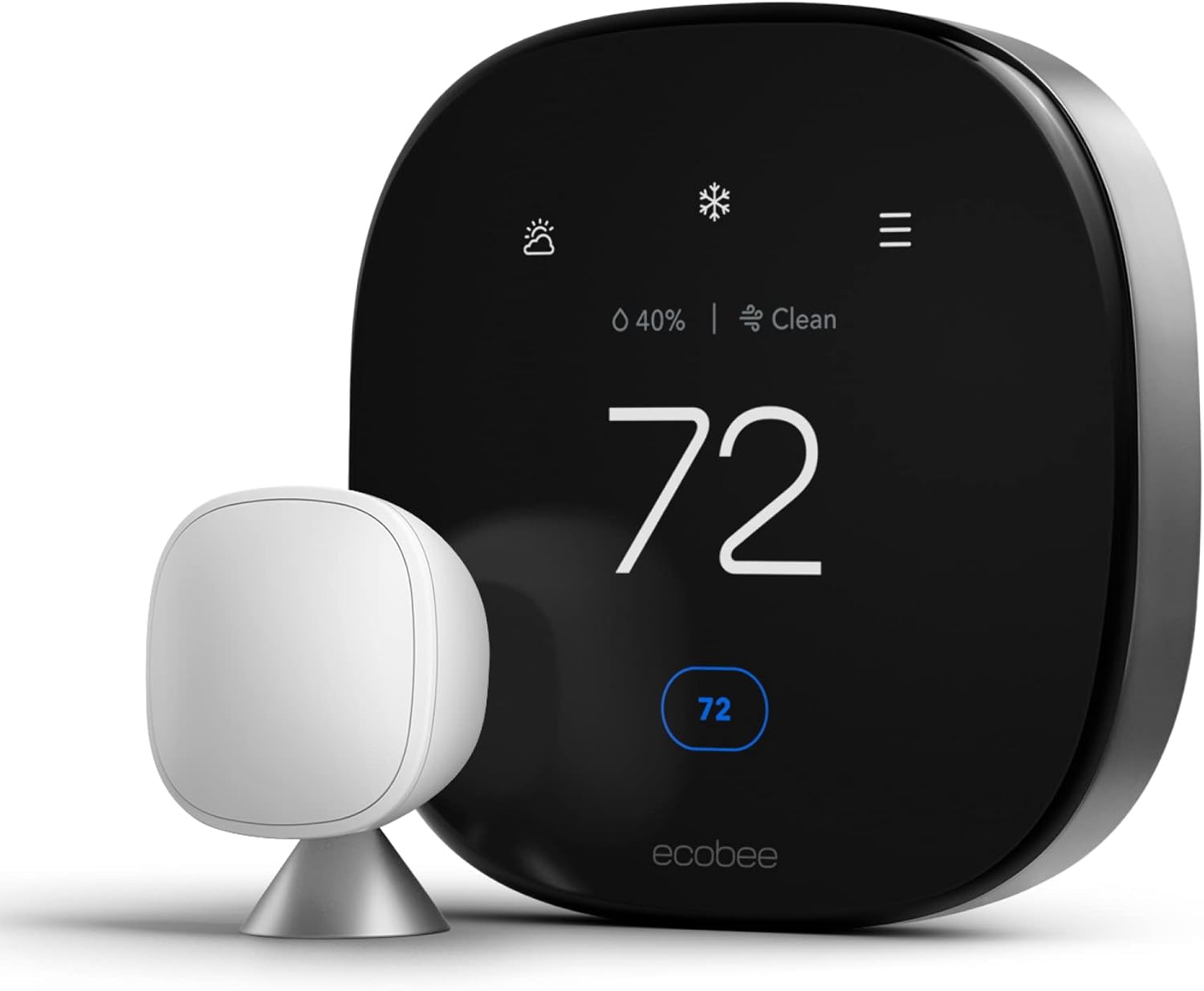
Best for whole-home comfort & air quality monitoring. Includes SmartSensor.
Self-programming AI, sleek design, Soli radar for motion sensing.
Precision room-by-room control with smart room sensor compatibility.
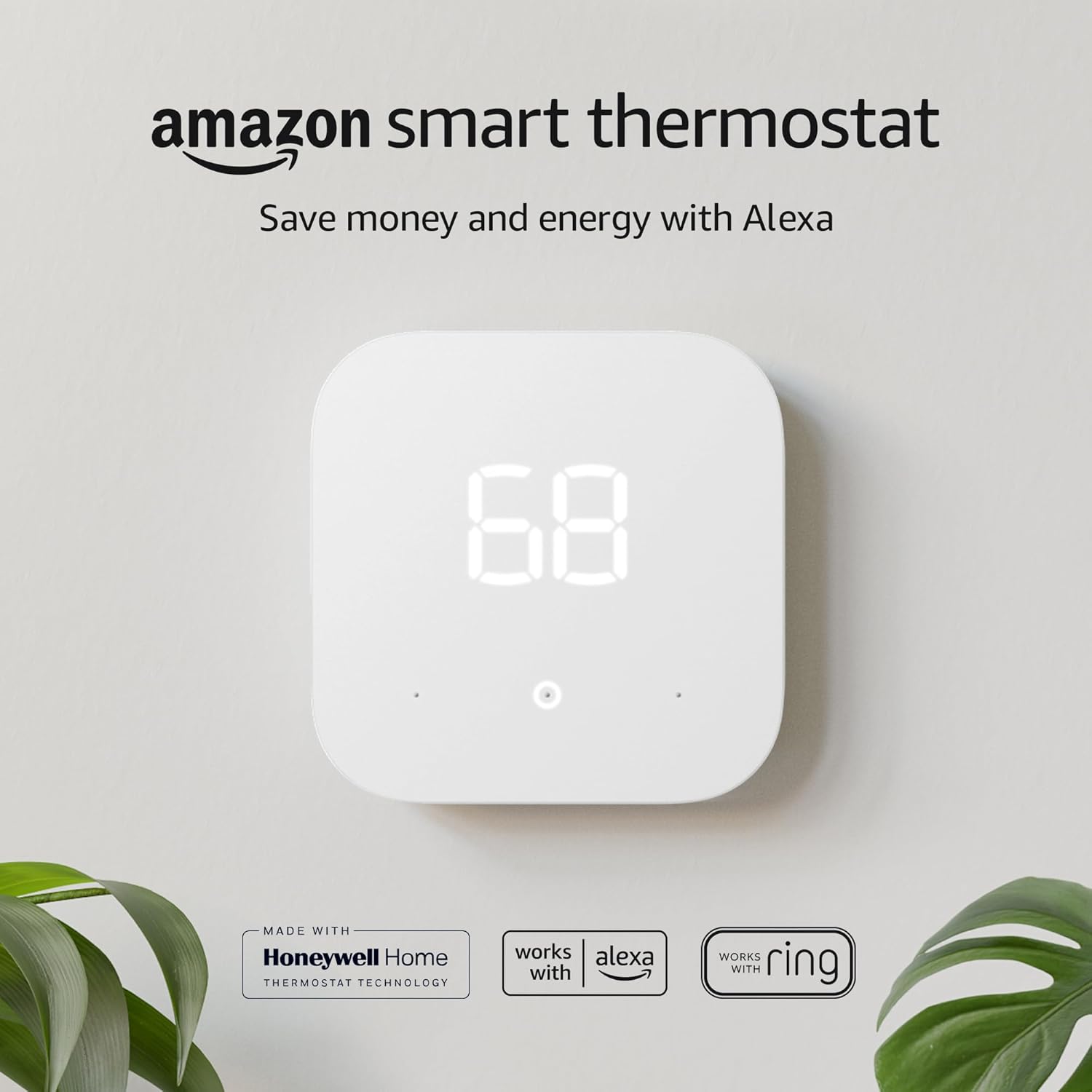
Budget-friendly, ENERGY STAR certified, includes C-wire adapter.
Reliable, works with almost any HVAC system, crisp touchscreen.
Frequently Asked Questions (FAQ)
Get answers to the most common questions about 2026 smart thermostat rebates.
Yes, absolutely. They are separate programs. You can receive a $75 rebate from your utility and also claim 30% of the total cost (product + installation) on your federal taxes.
Often, yes, but you must get your landlord’s permission to install the device. Some utility programs have specific offers for renters. You would typically keep the device when you move.
Most rebates do NOT require professional installation. DIY installs are perfectly valid. However, the federal tax credit does allow you to include professional installation costs in the 30% credit calculation if you choose to hire someone.
Typically 4 to 8 weeks after submission. Most are issued as a check, prepaid card, or direct bill credit.
You may not receive the full rebate. Always check your utility’s list of “qualified devices” before purchasing. Most list compatible models (Ecobee, Nest, etc.) on their program website.
For the federal tax credit and most utility rebates, no. However, some state-level and low-income assistance programs do have income qualifications.
Generally, no. Rebates are intended for upgrades from non-programmable or basic programmable thermostats. Replacing an existing smart thermostat with a newer model is rarely covered.
Keep your itemized sales receipt, the model number, and proof of installation (a photo often suffices). For the tax credit, also keep the Manufacturer Certification Statement for your model.
Yes, rebates apply to the thermostat model, not its power source. Battery-powered or power-stealing models like certain Emerson Sensi or Nest models are eligible if they are ENERGY STAR certified.
You can usually take your smart thermostat with you. If it’s enrolled in a utility program, you must unenroll it before moving and can re-enroll at your new home if the local utility offers a program.
Key Takeaways for 2026
- The 30% federal tax credit is guaranteed through 2032, making any ENERGY STAR smart thermostat purchase more affordable.
- Your local utility is your best source for instant rebates, often offering $50-$100 back when you enroll in a demand-response program.
- Compatibility is key. Always check for a C-wire and ensure your HVAC system is supported before buying.
- The real payoff is long-term. Pair your new device with features like geofencing and remote sensors to maximize comfort and savings for years to come.
The landscape of incentives in 2026 makes it the ideal time to upgrade to a smarter, more efficient home. With a little research and this guide, you can seamlessly navigate the process, secure your savings, and enjoy a more comfortable home.
Calculate Your Savings Now



 Home
Home
 Info
Info
 Compare
 Reviews
 Shop
Shop