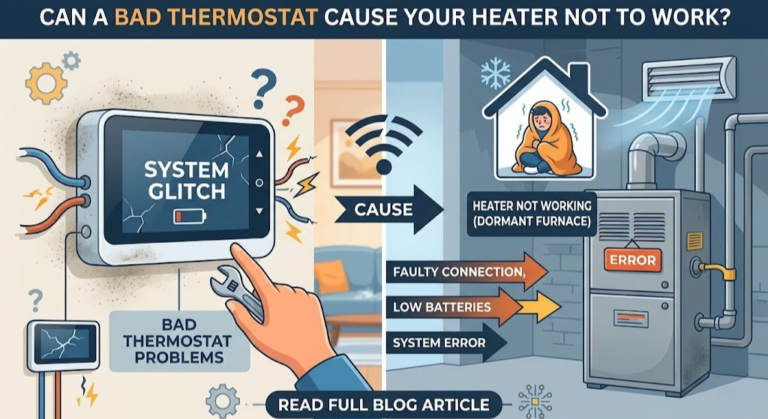
Can a Bad Thermostat Cause Your Heater Not to Work?
The complete 2026 answer — with step-by-step diagnosis, the definitive bypass test, and exactly when your thermostat is (and isn’t) to blame for a cold house.
- The Short Answer
- How Thermostats Control Heat
- Symptoms of a Thermostat-Caused Heating Failure
- Common Thermostat Failure Modes
- Pre-Diagnosis Checks (5 Minutes)
- The Definitive Bypass Wire Test
- W-Wire and Wiring Diagnosis
- When the Furnace Is the Real Problem
- Heat Pump Heating Failures
- Smart Thermostat Heating Failures
- Fix vs. Replace Your Thermostat
- Best Replacement Thermostats for Heating
- Preventing Future Heating Failures
- Frequently Asked Questions
- Conclusion
The Short Answer: Yes — And More Often Than You Think
If you’ve woken up to a cold house on a frigid morning and your furnace hasn’t made a sound, the first question running through your mind is: what went wrong? You might assume it’s the furnace itself — a failed igniter, a gas valve problem, or worse. But before you call an HVAC technician and brace for a major repair bill, there’s something you should check first: your thermostat.
The answer to “can a bad thermostat cause the heater not to work?” is an unambiguous yes. In fact, according to HVAC service data, thermostat-related issues account for roughly 25–35% of all “no heat” service calls — making a faulty thermostat one of the most common and most commonly misdiagnosed reasons a heating system fails. The cruel irony is that the furnace or boiler itself may be in perfect working order, waiting patiently for a signal that never comes.
The thermostat is the gatekeeper of your entire heating system. It monitors room temperature, compares it against your desired set point, and — when heat is needed — sends a low-voltage 24VAC electrical signal to the furnace or air handler to fire up. That signal travels on a single wire (typically white, connected to the W terminal). If anything interrupts that signal — dead batteries, a corroded wire connection, a failed internal relay, a miscalibrated temperature sensor, or a software bug in a smart thermostat — the furnace never gets the command to heat. It stays cold and silent while you pile on blankets and wonder what’s wrong.
The good news is that thermostat failures are among the cheapest and easiest HVAC problems to diagnose and fix. This guide gives you a complete, systematic approach: from the 30-second battery swap to the definitive bypass test that tells you, beyond any doubt, whether your thermostat is the culprit. You can complete the diagnosis in under 20 minutes with tools most homeowners already own.

How Your Thermostat Actually Controls the Heating System
To diagnose a heating failure properly, you need a clear mental model of how the thermostat and furnace communicate. It’s simpler than you might think — and that simplicity is what makes thermostat failures both so impactful and so easy to test.
The 24V Low-Voltage Control Circuit
Most residential HVAC systems — whether you have a gas furnace, an oil boiler, an electric air handler, or a heat pump — use a 24-volt AC control circuit to communicate between the thermostat and the heating equipment. A transformer inside the furnace or air handler steps down 120V household current to 24VAC. The thermostat is essentially a sophisticated low-voltage switch that completes different parts of this circuit depending on what mode it’s in.
When the thermostat determines that the room temperature has dropped below your set point (accounting for the dead-band — typically 1°F), it connects the R (power) wire to the W (heat) wire internally. This 24VAC signal travels to the furnace control board and tells it to start the heating sequence: open the gas valve, light the igniter, start the inducer fan, and eventually run the blower.
The Critical Role of the W Wire
The W wire — typically white — is the sole messenger between the thermostat and your furnace’s heating circuit. It carries one message: “Heat now.” Without a clean, continuous 24VAC signal on this wire, your furnace’s control board does absolutely nothing. Understanding this makes thermostat diagnosis straightforward: if 24VAC is present on W when the thermostat is calling for heat, the thermostat is doing its job. If it isn’t, the thermostat or its wiring is the problem.
| Wire / Terminal | Typical Color | Function | Heating Impact If Broken |
|---|---|---|---|
| R / Rh | Red | 24V power from transformer | Thermostat completely dead — no heating or cooling calls |
| W / W1 | White | Heating call to furnace/boiler | Furnace never fires — no heat at all |
| W2 | White/Black | 2nd stage heat or aux heat | Only first-stage heat available; house never reaches set temp in extreme cold |
| G | Green | Fan/blower signal | Fan runs continuously or not at all independently |
| C | Blue/Black | Common wire (24V return) | Smart thermostat power instability; erratic heating behavior |
| O / B | Orange/Blue | Heat pump reversing valve | Heat pump stuck in wrong mode — blows cold in heat mode |
The Dead-Band and Temperature Sensing
The thermostat doesn’t activate heat the moment temperature drops one degree below your set point — that would cause constant short-cycling. Instead, it uses a dead-band (also called hysteresis), typically 1–2°F. So if you’ve set 70°F, the furnace fires when the room drops to 68–69°F and shuts off when it climbs to 70–71°F. This dead-band behavior depends entirely on the thermostat’s internal temperature sensor — called a thermistor — reading the room accurately. If that thermistor has drifted, is dusty, or has failed, the thermostat may never perceive the room as cold enough to call for heat, even when you’re genuinely chilly.
How Smart Thermostats Add Complexity
Modern smart thermostats from Nest, ecobee, Honeywell, and others add a processor, Wi-Fi radio, and multiple sensors on top of this basic 24V switching circuit. They can fail in additional ways: firmware bugs can corrupt the heating schedule, a failed C-wire can cause voltage instability that resets the device mid-cycle, and incorrect system configuration settings (telling the thermostat it controls a conventional system when it actually controls a heat pump) will produce fundamentally wrong heating behavior. For a thorough comparison of how different smart thermostat architectures handle multi-stage heating systems, the Nest vs. Honeywell multi-stage HVAC comparison covers these differences in technical depth.
Recognizing the Symptoms of a Thermostat-Caused Heating Failure
A bad thermostat doesn’t always announce itself dramatically. Sometimes it fails completely and suddenly; other times it degrades gradually, producing subtle heating problems that are easy to misattribute to the furnace. Here are the key symptoms to watch for — and what they tell you about which component is at fault.
1. Furnace Completely Silent — No Attempt to Start
If you set the thermostat to HEAT at a temperature well above room temperature and the furnace doesn’t make any attempt to start — no inducer fan hum, no ignition click, no blower — a dead thermostat signal is the most likely culprit. The furnace’s control board is waiting for a 24V signal that isn’t coming. Before assuming furnace failure, check the thermostat first.
2. Fan Runs But No Heat
This is a particularly telling symptom. If the blower fan comes on but the air coming through the vents is room temperature or cold, it means the thermostat successfully sent the G (fan) signal but failed to send the W (heat) signal. The furnace is blowing air but not heating it. This is almost always a wiring fault on the W wire or a failed relay inside the thermostat affecting only the W terminal circuit.
3. Thermostat Shows “Heat On” But Furnace Stays Cold
When the thermostat display indicates it’s calling for heat (showing “Heat On,” “Heating,” or a flame icon) but the furnace is silent, the thermostat’s software believes it’s sending the signal but the hardware isn’t. This is the hallmark of a failed internal relay — the processor commands the relay to close, but the relay contacts are worn or stuck and don’t physically close. The display shows correct behavior while the actual switching circuit fails. This failure mode is discussed in detail at this guide on “Heat On” but no actual heat, covering exactly how to distinguish a thermostat relay failure from a furnace control board fault.
4. Heater Short-Cycles (Fires Briefly, Then Shuts Off)
Short-cycling — where the furnace starts, runs for 2–5 minutes, then shuts off before the room reaches temperature — can have multiple causes, but one common culprit is thermostat placement. A thermostat positioned near a heat register, on an exterior wall that warms quickly, or in direct sunlight experiences artificially elevated temperatures. It reads the room as warm, cuts the heating call, and the room actually remains cold. This cycles repeatedly, wastes energy, and stresses the heat exchanger through repeated thermal shocks.
5. Heat Works Intermittently
Intermittent heating — sometimes it works, sometimes it doesn’t — is classic early-stage thermostat failure. A partially corroded wire connection may conduct sometimes but not others, particularly as the house warms and cools and the metals expand and contract slightly. An aging relay may close most of the time but occasionally fails to make contact. If your heat “comes and goes” with no apparent pattern, suspect a thermostat or wiring issue before chasing furnace problems.
6. Display Is Blank or Partially Lit
A completely dark thermostat screen means no power — which means no heating calls of any kind. Blank displays are caused by dead batteries (most common), a blown 3A fuse on the furnace control board, or a failed 24V transformer. A partially lit or flickering display often means batteries are almost dead. Fresh batteries should be your very first action, every time, before any further diagnosis.
7. Room Temperature Doesn’t Match What the Thermostat Reads
If your thermostat reads 68°F but a calibrated thermometer nearby shows 62°F, the thermostat’s sensor has drifted or is obstructed. It thinks the room is warmer than it is, so it doesn’t call for heat when you’re actually cold. This thermistor drift issue is one of the most insidious thermostat failures because nothing appears “broken” — the thermostat is working exactly as it thinks it should. For a detailed explanation of how thermistors drift and cause temperature reading errors, see this technical breakdown of thermistors and temperature sensing in smart thermostats.
| Symptom | Most Likely Thermostat Cause | Could Also Be | Priority to Check |
|---|---|---|---|
| Furnace completely silent | Dead batteries / blank display | Tripped breaker, blown fuse | HIGH |
| Fan runs, no heat | Failed W relay / W wire fault | Failed igniter, gas valve | HIGH |
| Shows “Heat On” — furnace cold | Internal relay failure | Broken W wire at furnace end | HIGH |
| Short-cycling | Bad thermostat location/sensor | Cracked heat exchanger, dirty filter | MEDIUM |
| Intermittent heat | Corroded W wire connection | Loose furnace wiring, failing igniter | HIGH |
| Wrong temp reading | Thermistor drift / dirty sensor | Thermostat near register or sun | MEDIUM |
| Blank display | Dead batteries / blown fuse | Failed 24V transformer | FIRST STEP |
The Most Common Ways Thermostats Fail and Kill Your Heat
HVAC technicians see the same thermostat failure patterns repeat every winter. Here’s a systematic breakdown of how thermostats actually fail and why each mode results in a cold house.
Dead or Weak Batteries — The #1 Cause
It’s almost embarrassingly simple, but dead or weak batteries are the single most common cause of thermostat-related heating failure. Many homeowners don’t know their thermostat is battery-powered at all, especially if it appears to be mounted on a wall with no visible battery compartment. The critical detail most people miss: when batteries drop below approximately 2.4V (for a 3V lithium pair), the thermostat display may still glow dimly on residual charge — but the relay circuit, which requires more current to operate, stops functioning entirely. The screen looks fine. The heat is gone.
The fix is always the same: fresh alkaline AA or AAA batteries. Never rechargeable NiMH cells — their lower terminal voltage (~1.2V vs. 1.5V for alkaline) causes premature low-battery warnings and earlier relay failure thresholds. Replace batteries every autumn before heating season begins, regardless of whether the low-battery warning has appeared. This $3 investment prevents the most common cold-house emergency of the year.
Failed Internal Relay
Inside the thermostat, a relay (either electromechanical or solid-state) is the actual component that connects R to W when heat is needed. Every heating cycle stresses this relay slightly. After 10–20 years of cycling 8–15 times a day through a heating season, relays wear out. Mechanical relay failure often sounds like a click that gets weaker and then disappears — there’s no audible click when the thermostat tries to call for heat. Solid-state (transistor) failure is completely silent; the transistor simply stops conducting. Either way, the result is a thermostat that appears to be working — right mode, right set point, right temperature reading — but never actually sends the 24V signal to the furnace.
Miscalibrated or Dusty Temperature Sensor
The tiny thermistor inside the thermostat can drift in calibration over time, typically reading 2–6°F warmer than the actual room temperature. When this happens, the thermostat believes the room is already warm enough and never issues a heating call — even when occupants are genuinely cold. Dust accumulation on the thermostat’s ventilation openings makes this worse by insulating the thermistor from room air. Annual cleaning with a can of compressed air and an annual calibration check (using a reference thermometer placed next to the thermostat) prevents this failure mode from compounding.
Incorrect Mode Setting
This sounds too obvious, but it’s remarkably common: the thermostat is set to COOL, OFF, or a fan-only mode rather than HEAT. In households that switch between cooling and heating seasons, physical slide switches can get bumped. Smart thermostats can lock into cooling mode due to a schedule glitch or an incorrect “auto-changeover” configuration. Before any hardware diagnosis, always manually verify the thermostat is unambiguously in HEAT mode and the set temperature is clearly above the current room reading.
Set Point Below Room Temperature
Related but distinct: the thermostat is in HEAT mode, but the set temperature is lower than the current room temperature. This is common after manual adjustments, after returning from vacation, or when someone in the household has lowered the set point significantly. No heating call will be issued until the set point is raised above room temperature plus the dead-band (typically 2°F above room temp to trigger heating). This is worth checking before any hardware diagnosis.
Wiring Faults
The thermostat wire running between the wall unit and the furnace or air handler can develop faults over years of operation. Common causes include: oxidation and corrosion building up on the terminal screws (especially in humid basements), wire insulation cracking or a connection becoming loose due to house vibration, or — in older homes — wiring being chewed by rodents in wall cavities. A partial fault may allow intermittent connection; a complete break means zero heating calls regardless of thermostat function.
Smart Thermostat Software Failures
Smart thermostats introduce a category of failure that didn’t exist with mechanical or basic digital thermostats: software bugs. A corrupted firmware update, a corrupted heating schedule, a vacation mode left active, or a Wi-Fi authentication loop that locks up the processor can all prevent heating calls from being sent while the thermostat appears normal. Factory resetting a smart thermostat resolves the majority of these software-related heating failures, and manufacturers like Nest, ecobee, and Honeywell have issued firmware patches for known heating call bugs. Always check for pending firmware updates after a factory reset.
Compatibility Mismatch
Installing a thermostat that isn’t compatible with your heating system is a surprisingly common source of heating failures after a thermostat replacement. A thermostat without a heat pump mode installed on a heat pump, a thermostat configured for a conventional furnace when the system is actually a two-stage heat pump, or a thermostat without W2 support installed on a dual-stage furnace — all of these will produce partial or complete heating failures that look like hardware faults but are actually configuration problems. This is covered comprehensively in the complete 2026 guide to thermostat-furnace compatibility.
Pre-Diagnosis Checks: 5 Minutes Before Touching Any Wires
Before performing any electrical diagnosis, work through this rapid pre-check sequence. These five steps cost you nothing and take under five minutes. They resolve a significant fraction of heating failures before any tools are needed.
-
Replace the Batteries — Right Now Open the thermostat and swap in brand-new alkaline AA or AAA batteries (check your model’s requirements). Don’t reuse batteries from a remote control or another device. After replacing, allow 60 seconds for the thermostat to reboot, then set to HEAT at 5°F above room temperature. Wait 2 minutes. Did the furnace start? If yes, you’re done.
-
Confirm HEAT Mode and Set Point Verify the thermostat is explicitly in HEAT mode (not AUTO, not COOL, not FAN). Confirm the set temperature is at least 3°F above the current room temperature shown. On smart thermostats, exit any vacation/away modes, and check that no manual temperature holds are overriding the schedule.
-
Check the Circuit Breakers Go to your electrical panel. Find the breaker for the furnace or air handler (labeled “Furnace,” “Air Handler,” “HVAC,” or “Heating”). Also check the breaker for the thermostat circuit if separately labeled. If any breaker is in the tripped middle position, flip it fully OFF then fully ON to reset. For gas furnaces, also check that the power switch on the furnace itself (looks like a wall switch, often near the unit) is ON.
-
Check the Furnace Switch and Drain Pan Float Gas furnaces have a power switch (often resembles a light switch on the furnace cabinet or nearby wall). Confirm it’s ON. High-efficiency furnaces have a condensate drain pan with a float switch — if the pan is full or the switch has tripped due to a clogged drain, the furnace shuts off entirely regardless of thermostat signals. Check and clear the drain if needed.
-
Check the Air Filter A severely clogged air filter can cause the furnace’s high-temperature limit switch to trip, locking out the furnace. This is a safety protection — the furnace overheats from restricted airflow and shuts down. Replace or clean the filter, then reset the furnace by turning its power switch off and back on. A new filter can restore heating without any thermostat work at all.
-
Look for Furnace Error Codes Modern furnaces communicate failures through a blinking LED on the control board, visible through a small window on the furnace cabinet. Count the blinks and consult the label inside the furnace door (or search your furnace model + blink code). If the control board is showing an error code, this gives you the definitive answer about where the fault is before you spend time testing the thermostat.
If all six pre-checks come back clean — batteries are fresh, mode is correct, breakers are on, furnace has power, filter is clean, and there are no error codes — the problem is most likely in the thermostat’s wiring or internal hardware. Proceed to the bypass test.
The Definitive Bypass Wire Test: Isolating the Thermostat in 10 Minutes
The bypass test is the single most decisive diagnostic you can perform when your heater isn’t working. It eliminates the thermostat entirely from the circuit and tells you with certainty whether the thermostat (or its wiring) is the problem, or whether the furnace itself has a fault. HVAC technicians perform this test routinely — it’s completely safe on the 24V control circuit.
Tools Required
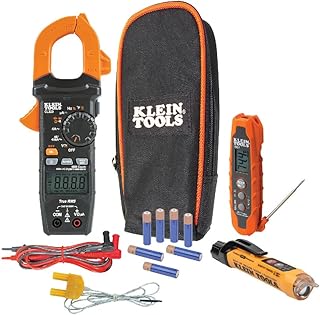
A short piece of wire (3–4 inches), a straightened paperclip, or a small jumper wire. A screwdriver to open the furnace cabinet. A flashlight. Optionally, a multimeter to verify 24VAC. That’s everything you need.
Step-by-Step Bypass Procedure
-
Turn the Thermostat to OFF Set the thermostat to OFF mode. This ensures the thermostat doesn’t interfere with the test or send conflicting signals during the diagnostic.
-
Open the Furnace Cabinet Open the furnace’s lower service panel (usually held by two screws or a snap-fit panel). You’ll see the control board — a circuit board with small terminal strips labeled R, W, G, Y, C (matching your thermostat’s terminals). The wires running from the wall connect here.
-
Verify the Furnace Has Power The control board should have a small LED light that’s on or blinking. If it’s completely dark, the furnace has no power — check the furnace switch and breaker before continuing. No point doing the bypass test without furnace power.
-
Optional: Verify 24VAC at R and C Using a multimeter set to AC voltage, probe between the R terminal and the C terminal on the control board. You should read 24–28VAC. If you read nothing, the transformer has failed — the thermostat is not to blame; the transformer or control board is.
-
Jump the R and W Terminals This is the key test. Take your jumper wire and connect one end to the R terminal and the other end to the W terminal on the furnace control board. Listen carefully toward the furnace. Within 10–30 seconds you should hear the inducer motor start, then the ignition sequence begin.
-
Interpret the Result — and Remove the Jumper Furnace fires: The thermostat (or the thermostat wire run) is the confirmed fault. The furnace is healthy; it simply wasn’t receiving the heating call. Proceed to thermostat replacement.
Furnace stays silent: The thermostat is not the problem. The fault is inside the furnace — igniter, gas valve, pressure switch, or control board. Call a technician.
Remove the jumper wire immediately after observing the result. Do not leave it in place.
Extending the Test: Checking the Wire Run
If the bypass at the furnace control board fires the furnace but the thermostat still doesn’t send a heating call after fresh batteries and mode verification, the problem could be a broken wire somewhere in the run between the thermostat and the furnace. You can localize this by also jumping R to W at the thermostat’s wall base (not at the furnace). If the furnace fires from the thermostat base jump but not from the thermostat itself, the relay inside the thermostat has failed. If it doesn’t fire from the wall base either, the wire itself is broken somewhere in the wall. For guidance on tracing and repairing thermostat wire runs, the guide on thermostat clicks but HVAC won’t start walks through this exact scenario with the battery, breaker, and wiring checks in sequence.
Diagnosing and Fixing the W-Wire Connection
Once the bypass test confirms the thermostat or its wiring is at fault, the next step is determining whether the problem is the thermostat hardware itself or the wire run connecting it to the furnace. This distinction matters because a broken wire is a $0–$10 fix, while a failed thermostat requires replacement.
Inspecting the Thermostat Terminal Connections
Remove the thermostat from its wall base (it typically pulls off). Look carefully at the back of the base where the wires terminate. You’re looking for:
- Green or white corrosion (oxidation) on wire ends or terminal contacts
- Wire ends that aren’t making solid contact under the terminal screw — sometimes wires slip partway out
- Wire insulation that’s cracked, brittle, or showing bare copper beyond the terminal connection
- Very short wire stubs that may have broken off at the connection point
If you find corrosion, use fine sandpaper or a wire brush to lightly clean the wire end, then re-strip if needed to expose fresh copper before re-terminating. Tighten all terminal screws firmly — thermostat terminal screws should be snug but not crushing the wire.
Inspecting the Furnace Control Board Connections
At the furnace end, the same thermostat wire terminates at the control board. This end is often exposed to more moisture and temperature variation (basements, mechanical rooms) and is therefore more prone to corrosion. Pull each wire gently — if any wire pulls free without much resistance, re-strip and re-terminate it properly. A loose connection at this end is functionally identical to a broken wire.
Testing Wire Continuity
If the connections look good at both ends but the bypass test still implicates the wire run, use a multimeter set to continuity or resistance mode. Disconnect the white wire at both ends (furnace and thermostat base), then probe both ends with the multimeter leads. You should read near-zero resistance (continuous circuit). High resistance or “OL” (open circuit) means the wire is broken somewhere in the wall. At this point, you’ll need to run a new wire or use the existing wire bundle’s spare wires — most thermostat cable has 5–8 wires and typically only 4–5 are used.
Wiring in Multi-Zone Systems
In homes with zone control — where multiple thermostats control different areas through zone valves or zone dampers — a faulty thermostat in one zone will only affect that zone. The rest of the home continues to heat normally. If one zone has lost heat but others are fine, the zone thermostat, the zone valve/damper motor, or the zone control board are the suspects. This localized failure pattern makes multi-zone diagnosis easier: you already know exactly which component is at fault geographically.
When the Furnace (Not the Thermostat) Is the Real Problem
If the bypass test — jumping R to W at the furnace control board — does NOT cause the furnace to start, the thermostat has been cleared. The fault lies within the furnace or heating system itself. Here’s what to look for next.
Failed Igniter
On modern gas furnaces, a hot surface igniter (HSI) — a fragile ceramic element that glows orange-hot to ignite the gas — is the most commonly failed furnace component. When you attempt to start the furnace (via the bypass test or normally), listen for the inducer motor starting and the clicking of the gas valve, followed by a soft “whomp” as gas ignites. If you hear the inducer start and the gas click but no ignition (followed by lockout and error code), the igniter has likely failed. Igniters cost $20–$60 in parts and are relatively straightforward to replace.
Tripped High-Limit Switch
The furnace’s high-limit switch monitors heat exchanger temperature. If the heat exchanger overheats (due to a dirty filter, blocked registers, or a failing blower motor), this safety switch trips and prevents the furnace from firing until the unit cools down and the switch is reset. Some reset automatically; others require manual intervention. A clogged filter is the most common cause — replacing it and power-cycling the furnace often resolves a tripped limit switch without any repairs.
Pressure Switch Problems
High-efficiency condensing furnaces use pressure switches to verify that the induced draft motor is operating and creating proper pressure in the flue system. If the inducer motor runs but the pressure switch doesn’t close (due to a blockage, a cracked hose, a failing motor, or a clogged condensate line), the furnace locks out before attempting ignition. This is a furnace-level failure that requires a technician to diagnose properly.
Gas Valve Failure
If the inducer starts, the igniter glows, but no gas arrives to be ignited, the gas valve has likely failed or the gas supply is interrupted. Check that the gas shutoff valve at the furnace is open (handle parallel to the pipe = open). If gas is flowing but the valve isn’t opening electrically, it requires professional replacement.
Furnace Control Board Failure
The furnace control board itself can fail, even when the thermostat is sending the correct 24V signal. A failed control board may not process the W-wire signal properly, may not energize the inducer motor, or may lock out in a fault state. Error codes on the control board LED are the primary indicator of a board-level fault. Control board replacement is a professional repair.
| Component | Symptom When Failed | DIY Diagnosable? | Repair Cost |
|---|---|---|---|
| Thermostat | Furnace fires on bypass, not normally | Yes | $25–$300 |
| Hot surface igniter | Inducer runs, no ignition, error code | Partially | $80–$200 |
| High-limit switch | Furnace shuts off after short run | Often (filter/reset) | $0–$150 |
| Pressure switch | Inducer runs, no ignition sequence | No — needs technician | $100–$300 |
| Gas valve | Igniter glows, no ignition | No — gas work | $300–$600 |
| Control board | Error codes, no response to W signal | No — professional | $400–$800 |
| 24V transformer | No 24VAC at R/C terminals | Partially | $40–$150 |
Heat Pump Heating Failures: When the Thermostat Gets It Wrong
Heat pumps add an important layer of complexity to thermostat-related heating failures. Unlike a gas furnace that simply fires when the W wire is energized, a heat pump relies on the thermostat to correctly configure both the heating call AND the reversing valve orientation. Getting the thermostat configuration wrong produces heating failures that can seem completely mysterious.
The O/B Terminal and Reversing Valve
A heat pump uses a reversing valve to switch the refrigerant flow direction between heating and cooling modes. The thermostat controls this valve through the O (or B) terminal. Here’s where thermostat misconfiguration causes heating failures:
- O-terminal systems (most brands, including Trane, Carrier, Lennox): The O terminal is energized in cooling mode and de-energized in heating mode.
- B-terminal systems (primarily Rheem/Ruud): The B terminal is energized in heating mode.
If you’ve just installed a new thermostat and configured O when the system needs B (or vice versa), the heat pump will blow cold air in heat mode — it’s stuck in cooling mode. This is 100% a thermostat configuration error, not a heat pump hardware failure, and is resolved by changing the O/B setting in the thermostat’s configuration menu.
Auxiliary and Emergency Heat
Heat pumps typically pair with electric resistance auxiliary heat strips or a gas furnace for backup. When outdoor temperatures drop below the heat pump’s efficient operating range (typically below 30–40°F depending on the system), the thermostat should automatically energize auxiliary heat to supplement or replace the heat pump. If the thermostat isn’t configured for aux heat (no E/AUX wire set up, or the aux lockout temperature is set incorrectly), the home may get dangerously cold during extreme cold snaps even though the heat pump is “working.” Always verify AUX heat wiring and configuration after any thermostat replacement on a heat pump system.
Defrost Cycles and Perceived Heating Failures
When a heat pump enters its defrost cycle (approximately every 30–90 minutes during cold weather), it temporarily reverses into “cooling” mode to melt ice off the outdoor coil. During this 5–15 minute period, the heat strips (if present) run to maintain temperature, but if aux heat strips are absent or undersized, the home temporarily gets slightly cooler. Many homeowners mistake this normal defrost behavior for a heating failure and start pulling thermostat wires unnecessarily. If your heat drops briefly and regularly but recovers, observe the outdoor unit for frost/ice and listen for the outdoor fan reversing — this is almost certainly normal defrost behavior, not a thermostat fault.
For homeowners weighing furnace replacement options or sizing decisions that interact with thermostat control, the comprehensive furnace replacement cost guide provides current cost data and efficiency tradeoffs worth understanding before making any heating system changes.
Smart Thermostat Heating Failures: Software, Hardware, and C-Wire Issues
Smart thermostats are miniature computers mounted to your wall. They can fail in ways that are completely different from older mechanical or basic digital thermostats — and diagnosing them requires a slightly different approach.
The C-Wire Problem and Power Instability
Smart thermostats require continuous, stable power to run their processors, Wi-Fi radios, and displays. Most draw this power from the C (common) wire, which provides the return path for 24VAC. Without a C wire, smart thermostats resort to “power stealing” — drawing tiny amounts of current through the heating call wires. This works inconsistently, causing voltage drops that can reset the thermostat mid-heating-cycle, corrupt the schedule, or prevent the relay from energizing fully. If your smart thermostat is rebooting randomly or behaving erratically, adding a proper C-wire connection almost always resolves the issue. The Sensi Connected but Not Sensi Cloud fix guide covers C-wire-related connectivity instability in detail — the same principles apply to heating call stability.
Software and Firmware Failures
A corrupted firmware update is the most dramatic software failure: it can brick the heating functionality entirely while leaving the display functional. A corrupted schedule can lock out heating at certain times. A stuck “vacation mode” or “away mode” can suppress heating indefinitely. Factory resetting the thermostat — which wipes the configuration and reinstalls clean firmware — resolves the majority of software-related heating failures. Always allow the thermostat to check for and install any available firmware updates after a factory reset before doing further hardware diagnosis.
Incorrect System Configuration
After a factory reset (or after initial installation), the smart thermostat must be configured for your specific system: conventional vs. heat pump, number of heating stages, whether auxiliary heat is present, and the O/B terminal orientation. Getting any of these wrong produces heating failures that look identical to hardware faults. Walk through the thermostat’s setup wizard carefully, verifying each option against your system’s wiring label. Don’t guess — incorrect configuration will produce persistent, baffling heating behavior.
App-Reported Errors
One significant advantage of smart thermostats is their ability to report faults through companion apps. Before performing any hardware diagnosis, check the thermostat’s app for error notifications. Nest, ecobee, and Honeywell apps all push notifications for detected system faults. A notification like “Heating is taking too long” or “System not responding” gives you a significant diagnostic head start over the blank-stare diagnosis of an older thermostat.
Should You Repair the Thermostat or Replace It?
Once you’ve confirmed through the bypass test that the thermostat is at fault, you face a practical decision: attempt to repair it or simply replace it. Here’s how to think through that choice.
Situations Where Repair Makes Sense
- The fault is clearly a loose or corroded W-wire connection — a $0 fix you can do in 5 minutes
- The problem was dead batteries on a relatively new, expensive smart thermostat
- The smart thermostat is still under warranty — contact the manufacturer for a free replacement unit
- A factory reset resolved a software fault on a functioning smart thermostat
Situations Where Replacement Is the Right Call
- The thermostat is more than 10 years old — relay wear makes recurring failures likely
- The bypass test confirmed a thermostat relay failure (furnace fires from the furnace board jump, not from the thermostat)
- The thermostat is a basic programmable or mechanical model — replacement cost ($25–$50) is comparable to repair
- You want to take advantage of smart thermostat features and energy savings while you’re already doing the work
Reasons to Replace
- Definitive fix — no recurring reliability questions
- Basic replacement starts at $25
- Smart upgrade recovers cost in 1–2 heating seasons
- New warranty coverage (1–5 years typical)
- 30-minute DIY installation for most models
- Energy savings through better scheduling and learning
Reasons to Repair Instead
- Premium smart thermostat still under warranty
- Fault is just a loose wire or dead batteries
- Specific features hard to replicate in a new model
- Budget constraints (though $25–30 units exist)
Thermostat Age and Expected Lifespan
| Thermostat Type | Typical Lifespan | At 10+ Years Old | Recommendation |
|---|---|---|---|
| Mechanical (bimetallic) | 20–35 years | Calibration drift significant | Replace — efficiency gains alone justify it |
| Basic digital programmable | 10–20 years | Relay wear common | Replace proactively |
| 1st/2nd gen smart thermostat | 8–12 years | Software support ending | Upgrade to current gen |
| Current gen smart thermostat | 10–15+ years | Still under support | Reset/repair if under warranty |
For a comprehensive walkthrough of the full thermostat diagnosis process — covering every failure type from batteries to blown fuses — the 10-minute faulty thermostat diagnostic checklist is the most efficient single reference for working through any thermostat problem systematically.
Best Replacement Thermostats for Heating Systems in 2026
If you’ve confirmed the thermostat needs replacing, here’s how to choose the right replacement for your heating system and budget. The most important step before purchasing is confirming compatibility with your specific system.
Before You Buy: Compatibility Checklist
- System type: Gas furnace, oil furnace, heat pump, electric air handler, or boiler? Not all thermostats support all types.
- Number of stages: 1-stage, 2-stage, or variable speed? Multi-stage systems need thermostats with W2 and stage-control support.
- C wire availability: Smart thermostats strongly prefer a C wire. Check whether your wiring bundle has an unused wire you can repurpose.
- Line voltage vs. low voltage: If you have electric baseboard heaters, you may need a line-voltage thermostat — fundamentally different from 24V models.
- Heat pump specific: Confirm O/B terminal support and aux/emergency heat compatibility if you have a heat pump.
Budget Tier: $25–$60 (Basic Digital/Programmable)
For reliability and simplicity without smart features, the Honeywell Home T4 Pro and T6 Pro are industry workhorses. These are used by HVAC contractors as standard replacements for a reason: straightforward wiring, clear programming, and exceptional relay reliability. No app, no Wi-Fi, no cloud dependency — just a solid 24V switching device that will call for heat reliably for the next 15–20 years.
Mid-Range Smart Tier: $70–$150
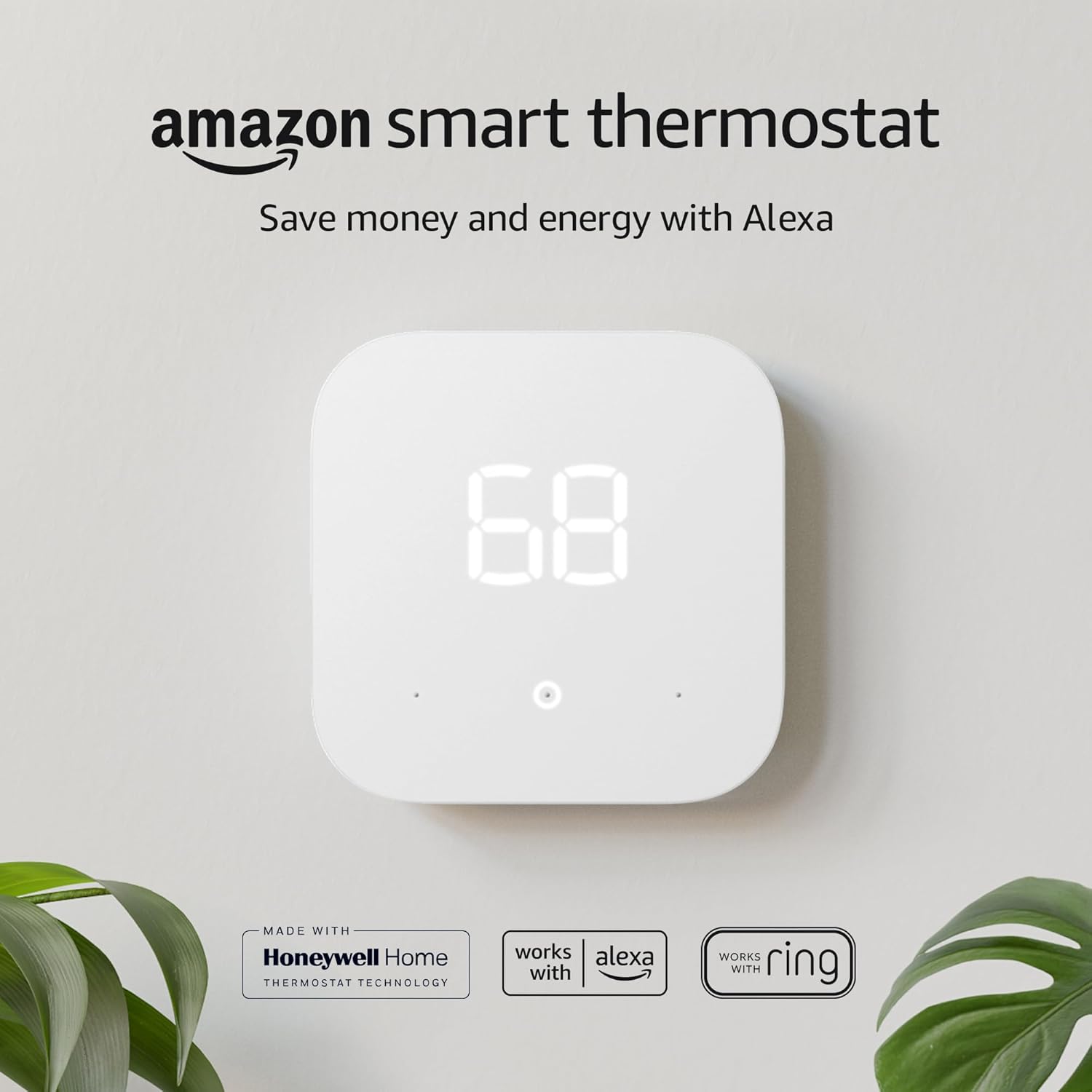
This tier offers the best value proposition for most homeowners. The Wyze Thermostat ($70) and the Amazon Smart Thermostat ($60–$80, with included C-wire adapter) both deliver Wi-Fi control, scheduling, and voice assistant integration at budget-smart prices. The Sensi Touch 2 ($110–$130) sits at the top of this tier with an excellent touch interface, very reliable C-wire handling, and Alexa/Google Home support without the complexity or cost of premium models.
Premium Smart Tier: $180–$280
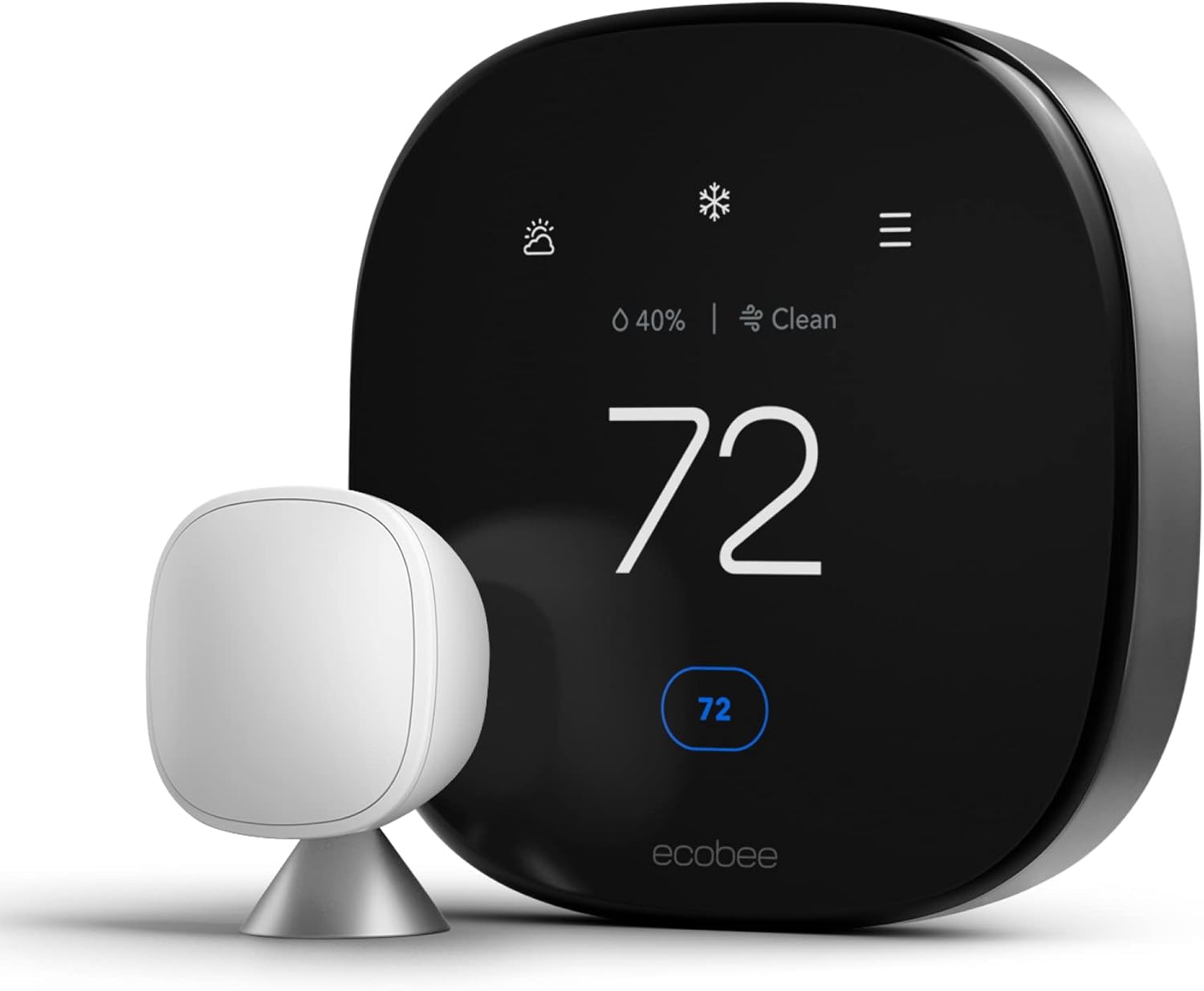
The ecobee SmartThermostat Premium and Google Nest Learning Thermostat (4th Gen) represent the state of the art. Both offer remote room sensors (or sensor compatibility), learning capabilities, energy reporting, and the most reliable multi-stage heating support available. For homes with complex HVAC systems, multiple zones, or a desire for whole-home temperature intelligence, these models pay for themselves through energy savings within 1–2 heating seasons. The Nest’s Soli radar occupancy sensing and ecobee’s VOC/CO₂ air quality monitoring are genuinely useful features — not marketing fluff.

Preventing Future Thermostat-Caused Heating Failures
The best heating emergency is the one that never happens. A small amount of annual thermostat maintenance eliminates the most common failure modes before they leave you in the cold. Here’s the complete prevention routine.
Annual Autumn Maintenance Checklist
-
Fresh Batteries Every Autumn Replace thermostat batteries every year in September or October, before heating season begins — regardless of whether the low-battery indicator has appeared. Fresh alkaline AA or AAA batteries cost $3 and eliminate the most common heating failure entirely.
-
Clean the Thermostat Sensor Open the thermostat and use a can of compressed air to gently blow dust out of the interior. Dust on the thermistor causes temperature reading errors that lead to the thermostat not calling for heat when needed. 30 seconds of compressed air once a year prevents this.
-
Verify Temperature Calibration Place a calibrated reference thermometer next to the thermostat for 20 minutes and compare readings. If the difference is greater than 2°F, either recalibrate through the thermostat’s settings menu or plan for replacement. Drift of 3°F or more means the thermostat is routinely miscalling heat requests.
-
Inspect and Tighten Wire Connections At the thermostat base and at the furnace control board, gently pull each wire and tighten any that feel loose. Check for any visible corrosion (greenish deposits) on wire ends and clean if needed. Loose connections become intermittent connections — a ghost problem that’s hard to diagnose mid-winter.
-
Full System Test Before First Freeze In mid-October (or whatever month signals the first possible freeze in your area), set the thermostat to HEAT at 75°F and verify: the furnace fires, the blower starts, warm air comes from the registers, and the thermostat reaches the set point and then holds it. This test takes 15 minutes and exposes any problem while you still have time to address it before a cold emergency.
-
Update Smart Thermostat Firmware For smart thermostats, check for and install any pending firmware updates each autumn. Manufacturers regularly release stability fixes. A known bug that prevents heating calls can be patched with a 2-minute update. Enable auto-updates if available.
Thermostat Placement: Avoiding Measurement Errors
A thermostat in the wrong location will produce chronic heating problems even when the hardware is perfectly functional. Follow these placement guidelines:
- Avoid exterior walls — cold penetrating from outside artificially depresses temperature readings, causing over-heating
- Avoid supply vents nearby — warm air blowing directly across the thermostat causes it to cut heat calls prematurely
- Avoid kitchens and fireplaces — localized heat sources cause false readings
- Avoid direct sunlight — in heating mode, sun on the thermostat makes it think the room is warmer than it is, reducing heating calls
- Ideal placement: interior wall, 5 feet above floor, in a frequently used room with representative airflow
Protecting Your Heating System During Vacations
One of the most important thermostat settings for homeowners who travel in winter is the vacation/away heating floor — the minimum temperature at which the system should maintain the home even when unoccupied. Setting this too low (below 50–55°F in extreme climates) risks frozen pipes, which cause catastrophic water damage. The winter vacation thermostat settings guide for preventing pipe freeze covers the exact temperature thresholds by climate zone that balance heating cost savings against freeze risk — a critical read before every winter vacation.
Frequently Asked Questions
Conclusion: The Thermostat Is the First Suspect, Not the Last
The question “can a bad thermostat cause the heater not to work?” deserves the emphatic answer it gets: yes, in roughly one in three heating service calls, the thermostat is either the primary cause or a major contributing factor. It’s also the most treatable cause — cheap to fix, straightforward to diagnose, and within DIY capability for most homeowners.
The key insight from this guide is to treat the thermostat as the brain of the heating system rather than just a display and dial. When that brain fails — through dead batteries, a worn relay, a drifted sensor, corroded wiring, or a software bug — the furnace receives no instructions and stays cold. The furnace itself may be in perfect condition, quietly waiting for a command that never arrives.
Armed with the systematic approach here — fresh batteries first, mode and set point verification, breaker and furnace switch checks, and the definitive R-to-W bypass test — you can determine within 15 minutes whether your thermostat is the culprit or whether the fault lies deeper in the furnace. That diagnosis alone can save you the cost of an unnecessary service call or, conversely, prevent you from replacing a perfectly good thermostat when the real problem is a $30 igniter.
If the thermostat is confirmed at fault, replacement is almost always the most sensible choice — particularly if the unit is more than a decade old. At $25–$300 for a replacement that will last another 10–20 years, it’s the most cost-effective HVAC repair you can make. Take the opportunity to upgrade to a properly functioning smart thermostat that will also save you money on heating bills through better scheduling and occupancy-based control — and you’ll have turned a cold-house emergency into a genuine home improvement.
Ready to Diagnose or Upgrade Your Heating Thermostat?
Use our step-by-step diagnostic checklist to pinpoint your heating failure in under 10 minutes, or explore the best smart thermostats for your specific heating system.
Run the Full 10-Min Diagnostic Checklist Compare Smart Thermostats →



 Home
Home
 Info
Info
 Compare
 Reviews
 Shop
Shop