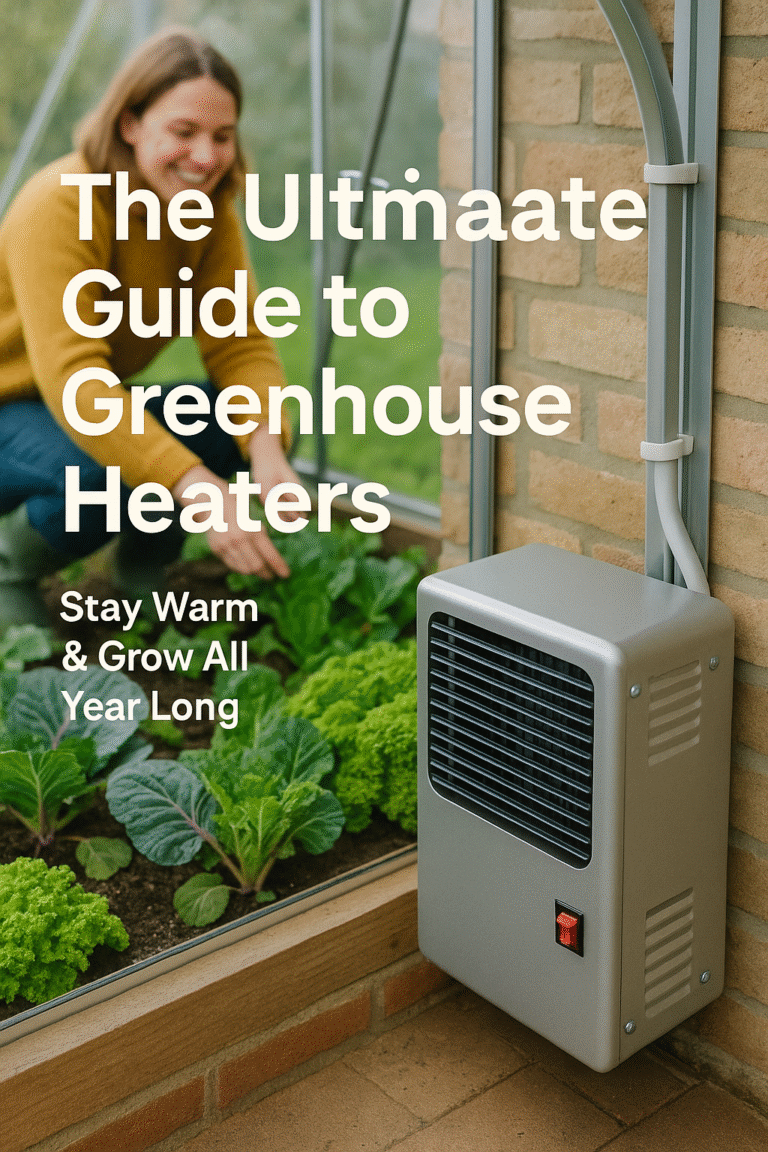
The Ultimate Guide to Greenhouse Heaters: Stay Warm & Grow All Year Long
The dream of every passionate gardener is a lush, thriving oasis, regardless of the season. You’ve invested in a greenhouse to protect your precious plants from the elements, but when the mercury plummets, a critical question arises: is the greenhouse itself enough? For most of us in the U.S., the answer is a chilly “no.”
Welcome to the definitive guide on greenhouse heating. We’re here to demystify the process and answer all those burning questions you’ve been searching for, like “how much electricity do they use?” and “what’s the best heater for my space?” Let’s turn your seasonal garden into a year-round paradise.
Do You Actually Need a Heater in Your Greenhouse?
First things first: can you get away without one? The short answer is, it depends. But for most American gardeners aiming for continuous growth, a heater isn’t a luxury—it’s an essential tool. Here’s how to decide:
- Your Climate Zone: If you live anywhere that experiences freezing temperatures (most of the continental U.S.), you’ll need a heater to keep your plants alive, let alone thriving. Gardeners in USDA Zones 7 and below should consider a heater mandatory for winter cultivation. Even in Zones 8 or 9, an unexpected cold snap can wipe out an entire season’s work.
- Your Plants of Choice: Are you growing hardy winter greens like kale and spinach, or are you dreaming of year-round tomatoes, orchids, and tropical citrus? Tender, warm-weather plants require consistent temperatures above 50-60°F to survive and produce. Frost-tolerant plants might survive a freeze, but they won’t grow.
- Your Greenhouse’s Insulation: A well-sealed, insulated greenhouse will retain heat far better than a drafty, single-pane structure. Polycarbonate panels are better insulators than glass. Adding a layer of bubble wrap insulation to the interior walls can significantly reduce heat loss, making your heating efforts more efficient and cost-effective.
Understanding Greenhouse Temperature Zones: Cold, Cool, Temperate & Tropical
Professional horticulturalists classify greenhouses into four distinct temperature zones, each serving a different purpose and requiring a different heating strategy. Knowing which category your greenhouse falls into—or which you want it to fall into—is the single most important decision you’ll make before purchasing a heater.
Cold Greenhouse (32–45°F / 0–7°C)
A cold greenhouse is essentially a frost-free shelter. The primary objective is simply to keep temperatures above the freezing point of water. This is the most affordable type to heat, and in many moderate climates it can be achieved with minimal supplemental heating or even passive solar design alone. Plants suited to cold greenhouses include hardy alpines, overwintering brassicas, cold-tolerant herbs like rosemary and thyme, dormant bulbs, and many varieties of ferns and grasses. Because you’re only trying to push the temperature a few degrees above outdoor ambient, even a small 750-watt electric heater on a frost-stat (a type of thermostat preset to activate just above freezing) can do the job beautifully.
The cold greenhouse is also an excellent choice for gardeners in USDA Zones 6–9 who simply want to extend their growing season by six to eight weeks in the spring and fall without incurring significant heating bills. The investment is low, and the payoff—fresh salad greens in March—is enormously satisfying.
Cool Greenhouse (45–55°F / 7–13°C)
A cool greenhouse is the sweet spot for many serious hobbyist gardeners. At these temperatures, you can successfully grow a wide range of vegetables year-round, including lettuces, spinach, Swiss chard, carrots, beets, and peas. You can also overwinter a large array of half-hardy perennials, fuchsias, pelargoniums, and tender bulbs that would perish outdoors in colder climates. Many popular greenhouse crops—strawberries, for example—thrive in the cool temperature range and can produce fruit weeks ahead of outdoor plants.
Maintaining a cool greenhouse requires a heater with a reliable thermostat and good insulation. A quality 1,500-watt electric heater is typically sufficient for a small greenhouse (up to approximately 80 square feet) in a Zone 6 climate, while larger structures may require 2,000–5,000 watts depending on their construction quality and local winter temperatures.
Temperate Greenhouse (55–65°F / 13–18°C)
The temperate greenhouse opens the door to a truly extraordinary range of plants: tomatoes, peppers, cucumbers, melons, aubergines, most orchid varieties, camellias, gardenias, and a vast array of subtropical foliage plants. This is the most popular category among dedicated greenhouse enthusiasts because the balance between plant diversity and operating cost is highly favorable. You can grow the vegetables you love and cultivate stunning flowering plants, all in the same structure.
Heating a temperate greenhouse does require a more robust heating system. For a 100-square-foot glass greenhouse in a Zone 5 climate where outdoor winter temperatures can drop to 0°F (-18°C), you may need as much as 4,000–6,000 BTUs of heating capacity to maintain a 60°F interior. This is where understanding the BTU calculation becomes critical, and we’ll walk through that formula in detail below.
Warm (Tropical) Greenhouse (65–80°F / 18–27°C)
The warm or tropical greenhouse is the most demanding and expensive to heat, but it unlocks a world of breathtaking possibilities: bananas, bird-of-paradise, bromeliads, anthuriums, vanilla orchids, and a stunning variety of tropical foliage plants that simply cannot survive in any other temperate climate setting. This category is typically the domain of passionate collectors and professional growers. Heating bills for a tropical greenhouse in a northern climate can be substantial—sometimes hundreds of dollars per month—making insulation, efficient heating systems, and smart thermostatic controls absolutely non-negotiable.
What Kind of Heater is Best for a Greenhouse? A Complete Breakdown
Choosing a heater isn’t a one-size-fits-all decision. The “best” heater depends on your greenhouse size, power availability, budget, and the types of plants you’re growing. Let’s break down the most common types.
1. Electric Heaters: The Popular & Precise Choice
For the vast majority of hobbyist and small-scale greenhouse owners, electric heaters are the way to go. They are clean, easy to use, and offer precise temperature control.
Pros:
- Safety: No open flames or harmful emissions like carbon monoxide. This is a huge advantage in an enclosed space.
- Ease of Use: Simply plug it in. No fuel to store or refill.
- Precise Control: Most come with built-in thermostats, allowing you to set and maintain the exact temperature your plants need. This prevents energy waste and ensures optimal growing conditions.
- Dry Heat: They don’t add extra moisture to the air, which helps prevent fungal diseases and mold—a common problem in humid greenhouses.
Cons:
- Operating Cost: Electricity can be expensive, especially if you live in an area with high utility rates and need to run the heater frequently.
- Power Dependency: Useless during a power outage, which can be disastrous during a winter storm.
Types of Electric Heaters:
- Forced-Air (Fan) Heaters: These are the most common. They use a heating element and a fan to quickly circulate warm air throughout the greenhouse. They’re great for rapid heating and ensuring even temperature distribution.
- Convection Heaters: These heat the air, which then rises and circulates naturally. They are silent and provide a gentle, even heat, but can be slower to warm up a large space.
- Radiant (Infrared) Heaters: These are highly efficient. Instead of heating the air, they emit infrared waves that heat objects directly—your plants, pots, benches, and the floor. This is similar to how the sun warms the earth. The objects then radiate heat back into the space. They are excellent for targeted heating and can save energy.
2. Gas Heaters (Propane & Natural Gas): The Powerhouse Option
For large greenhouses or those without reliable access to electricity, gas heaters are a powerful and often more economical solution for heating large volumes of space.
Pros:
- High Heat Output: They produce a significant amount of BTUs, making them ideal for large or poorly insulated greenhouses.
- Cost-Effective to Run: In many areas, natural gas or propane is cheaper per unit of heat (BTU) than electricity.
- Power Outage Proof: They operate independently of the electrical grid, providing peace of mind during winter storms.
Cons:
- Ventilation is CRITICAL: They produce carbon monoxide and other harmful gases. You must have proper ventilation, either through a dedicated vent kit or by using an externally vented model. Never use an unvented gas heater designed for indoor use in a sealed greenhouse.
- Produce Moisture: A byproduct of burning propane or natural gas is water vapor. This increases humidity, which can be beneficial for some plants but also encourages mold and fungal diseases if not managed with good air circulation.
- Installation Complexity: Natural gas heaters require professional installation. Propane heaters require you to manage and replace heavy tanks.
3. Kerosene/Paraffin Heaters: The Old-School Backup
While less common today, kerosene heaters still have a place as an emergency or supplemental heat source. They are portable and don’t require electricity. However, their drawbacks are significant.
Pros:
- Inexpensive: Low initial purchase price.
- Portable: Easy to move around as needed.
Cons:
- High Moisture & Odor: They release a lot of water vapor and can have a strong smell.
- Safety Risks: Open flames present a fire hazard. They also consume oxygen and release pollutants, so ventilation is absolutely essential.
- Manual Operation: Most lack thermostats, requiring you to monitor and adjust them manually.
4. Heat Pumps: The Efficient, Future-Forward Option
Air-source heat pumps represent an increasingly popular choice for greenhouse heating, particularly for gardeners focused on long-term energy efficiency and reducing their carbon footprint. Unlike traditional electric heaters that convert electricity directly into heat (at a 1:1 ratio), heat pumps work by extracting existing heat energy from the outside air—even at temperatures as low as -13°F (-25°C) in modern cold-climate models—and transferring it into the greenhouse. This process allows them to deliver 2 to 4 units of heat energy for every 1 unit of electrical energy consumed, a ratio measured as the Coefficient of Performance (COP).
In practical terms, a heat pump with a COP of 3.0 will cost roughly one-third as much to operate as an equivalent resistance electric heater. Over the course of a full winter season, this efficiency advantage can translate into hundreds of dollars in savings. Modern mini-split heat pump systems (the ductless wall-mounted units commonly seen in residential spaces) can be adapted for greenhouse use with relative ease, provided you have the correct electrical supply and the budget for professional installation.
The primary downside is the upfront cost. A quality mini-split system installed professionally will typically run between $1,500 and $5,000, depending on capacity and the complexity of the installation. This makes heat pumps most economical for larger, permanent greenhouses where the payback period of 2–5 years is justified by the scale of ongoing savings.
5. Solar Greenhouse Heating: Maximizing Free Energy
While passive solar design is not a “heater” in the traditional sense, it is an essential component of any energy-efficient greenhouse heating strategy—and for many gardeners in sunny climates, it can provide the majority of necessary heat without any fuel cost whatsoever.
The principles of passive solar greenhouse design include orienting the structure to maximize south-facing glazing (in the northern hemisphere), using thermal mass materials such as water barrels, stone floors, or concrete block walls to store daytime heat, and insulating the north wall heavily to minimize nighttime heat loss. A well-designed passive solar greenhouse in a climate like Denver, Colorado, can maintain interior temperatures 30–40°F above the outdoor ambient temperature on a sunny winter day—entirely through the greenhouse effect alone.
Active solar heating takes this further by incorporating solar thermal collectors—panels filled with a heat-transfer fluid that absorbs sunlight and circulates warmth to a storage tank or radiant floor system inside the greenhouse. These systems are complex and expensive to install but represent a virtually unlimited free heating source once operational. For most hobbyist gardeners, the pragmatic approach is to design the greenhouse to maximize passive solar gain and then use a conventional electric or gas heater only as a supplement on cloudy days and during extreme cold snaps.
Side-by-Side Comparison: Which Heater Type Is Right for You?
Use the table below to quickly compare all major heating options across the criteria that matter most to greenhouse gardeners.
| Feature | Electric Fan | Infrared | Propane Gas | Natural Gas | Heat Pump | Kerosene |
|---|---|---|---|---|---|---|
| Initial Cost | Low | Low–Med | Low–Med | Med–High | High | Very Low |
| Running Cost | Medium | Low–Med | Low–Med | Low | Very Low | Medium |
| Safe for Plants (CO₂) | ✔ | ✔ | △ | △ | ✔ | ✘ |
| Humidity Control | ✔ Dry heat | ✔ Dry heat | Adds moisture | Adds moisture | ✔ Dry | Adds moisture |
| Thermostat Precision | ✔ High | ✔ High | △ Variable | ✔ High | ✔ Very High | ✘ Manual |
| Works in Power Outage | ✘ | ✘ | ✔ | ✘ (needs ignition) | ✘ | ✔ |
| Best For | Small–Med greenhouses | Targeted zones | Off-grid / backup | Large structures | Long-term efficiency | Emergency backup |
Top Greenhouse Heater Picks for 2025
Navigating the market can be tough. Based on our experience and extensive research, here are three top-performing heaters available on Amazon that cater to different needs.

BIO GREEN PAL 2.0/US Electric Fan Heater
This is the workhorse of greenhouse heaters. It’s specifically designed for damp environments with a splash-proof rating (IPX4). The powerful fan ensures excellent air circulation, and its precise thermostat maintains temperature within a tight range. It’s durable, reliable, and perfect for small to medium-sized hobby greenhouses (up to 120 sq. ft.).
Check Price on Amazon
Mr. Heater F232000 MH9BX Buddy Propane Heater
The Mr. Heater Buddy is a legend for a reason. It’s the perfect solution for off-grid greenhouses or as a robust backup for power outages. With features like an oxygen depletion sensor and tip-over shut-off, it’s one of the safest propane options available. Remember to always ensure you have a source of fresh air (like a cracked vent) when using it.
Check Price on Amazon
Vornado AVH10 Vortex Heater with Auto Climate Control
While not a “greenhouse-specific” heater, the Vornado excels at one crucial thing: moving air. Its signature vortex action circulates heat evenly throughout the entire space, eliminating hot and cold spots. It has advanced safety features and an intelligent thermostat that automatically adjusts heat output, making it surprisingly efficient.
Check Price on AmazonWhere to Place Your Greenhouse Heater: Positioning for Maximum Efficiency
Even the best greenhouse heater on the market will underperform if it’s positioned incorrectly. Heater placement is one of the most overlooked aspects of greenhouse heating, yet it has a profound impact on both energy efficiency and plant health. Here’s a comprehensive guide to getting the placement right.
The Golden Rule: Low and Central
Heat rises. This is not just a saying—it’s fundamental thermodynamics. Hot air is less dense than cool air, so it naturally migrates upward. In a greenhouse, this means that if you place your heater at bench height or higher, the warmest air in the structure will be concentrated at the roof, while the area where your plants actually live—near the soil and pot level—remains significantly cooler. For most greenhouse configurations, placing your heater at or near floor level and as close to the center of the structure as possible (while maintaining safe clearances) provides the best heat distribution.
For fan heaters specifically, the airflow direction matters enormously. Aim the fan output along the length of the greenhouse, not directly at a wall. This creates a circulation loop: warm air travels along the top of the greenhouse, cools slightly, and sinks back down along the sides, creating a gentle, even convection current throughout the entire space.
Keep Distance from Plants
Direct heat from a heater—particularly fan heaters—can scorch foliage, dry out soil rapidly, and cause significant heat stress in plants that are positioned too close to the heating element. As a general rule, maintain a minimum clearance of 18–24 inches between the heater’s output and the nearest plant material. For infrared heaters mounted overhead, follow the manufacturer’s minimum installation height specifications—typically 24–36 inches above plant canopy level for lower-wattage units and up to 60 inches for high-output commercial units.
Heater Placement by Greenhouse Shape
Different greenhouse structures have different heating challenges:
- Lean-To / Attached Greenhouse: The shared wall with your home naturally loses heat more slowly, so position the heater at the farthest end from the house wall to compensate. Since one wall is already insulated by the house, heat loss is concentrated at the glazed sections and the door—direct your heater’s output toward these areas.
- Freestanding Rectangular Greenhouse: Place a single heater at the center of one end wall, directed along the length. For structures over 20 feet long, consider two smaller heaters positioned at opposite ends, each pointed inward—this creates a cross-current of warm air that distributes heat extremely evenly.
- Gothic Arch / Tunnel Greenhouse: The curved walls mean hot air tends to collect at the peak and dissipate quickly at the sides. A fan heater positioned low and centrally is ideal, or consider radiant overhead heating distributed along the ridge line.
- Geodesic Dome Greenhouse: The dome shape actually provides one of the best natural air circulation patterns of any greenhouse structure. A single centrally placed fan heater works very well here, as the curved walls naturally deflect air back toward the center.
The Cost Factor: How Much Electricity Does a Greenhouse Heater Use?
This is the million-dollar question for anyone considering an electric heater. The fear of a shocking utility bill is real, but it’s also manageable and predictable. Let’s break down how to calculate the cost.
The Simple Formula for Calculating Your Cost:
All you need are three numbers: your heater’s wattage, how many hours you expect it to run per day, and your electricity rate from your utility provider (found on your bill, usually in cents per kilowatt-hour or kWh).
- Convert Watts to Kilowatts (kW): Divide your heater’s wattage by 1000. (e.g., 1500 watts / 1000 = 1.5 kW).
- Calculate Daily Energy Use (kWh): Multiply the kW by the number of hours the heater runs. (e.g., 1.5 kW * 8 hours = 12 kWh).
- Calculate Daily Cost: Multiply the daily kWh by your electricity rate. (e.g., 12 kWh * $0.17/kWh = $2.04 per day).
Monthly Cost: Simply multiply the daily cost by 30. (e.g., $2.04 * 30 = $61.20 per month).
Estimated Monthly Cost Comparison
Let’s see how this plays out in a real-world scenario. The table below estimates the monthly cost based on an average U.S. electricity rate of $0.17 per kWh. Remember, a heater with a thermostat won’t run continuously; it will cycle on and off. These estimates are based on an average runtime of 8 hours per day.
| Heater Wattage | Kilowatts (kW) | Est. Daily Cost (8 hrs) | Est. Monthly Cost |
|---|---|---|---|
| 750W (Low Setting) | 0.75 kW | $1.02 | $30.60 |
| 1500W (High Setting) | 1.5 kW | $2.04 | $61.20 |
| 2000W (Heavy Duty) | 2.0 kW | $2.72 | $81.60 |
As you can see, the costs can add up. This brings us to the most important part of greenhouse heating…
Electricity Cost by U.S. State: How Your Location Affects Your Heating Bill
The national average of $0.17/kWh hides enormous variation across the United States. If you live in a state with high electricity rates, a greenhouse heater that costs $60/month to run in Ohio might cost $120/month or more in your area. Conversely, gardeners in states with abundant hydroelectric power enjoy some of the lowest electricity rates in the nation. Below is an approximate guide to how electricity costs vary by region, and how that impacts the monthly cost of running a 1,500-watt heater for 8 hours per day.
| State / Region | Avg. Rate (per kWh) | Est. Monthly Cost (1500W, 8hrs/day) | Strategy Recommendation |
|---|---|---|---|
| Hawaii | ~$0.39 | ~$140 | Solar/thermal mass strongly advised |
| California | ~$0.28 | ~$101 | Maximize insulation; consider heat pump |
| Connecticut / Massachusetts | ~$0.26 | ~$94 | Thermostat precision critical; add bubble wrap insulation |
| New York | ~$0.22 | ~$80 | Night setback thermostat recommended |
| Texas | ~$0.14 | ~$50 | Standard electric heater is cost-effective |
| Ohio / Michigan | ~$0.14 | ~$50 | Standard electric; natural gas an option |
| Washington / Oregon | ~$0.11 | ~$40 | Lowest-cost region; electric is very economical |
| Idaho | ~$0.10 | ~$36 | Electric heating is highly affordable |
How to Accurately Size Your Greenhouse Heater: The Complete BTU Calculator
Buying a heater that’s too small is an obvious mistake—your plants freeze. But buying a heater that’s dramatically oversized is also a problem: it cycles on and off too rapidly, the thermostat struggles to maintain steady temperatures, and you’ve spent more money on equipment than necessary. Getting the sizing right requires a bit of math, but it’s straightforward once you understand the variables involved.
The Heat Loss Formula Explained
The objective of heater sizing is to match the heater’s output to the maximum rate at which your greenhouse loses heat. This rate of heat loss is determined by three factors: the surface area of your greenhouse envelope (all the walls, roof, and floor), how good an insulator that envelope is (measured as the U-value or heat transfer coefficient), and the temperature difference between inside and outside (the delta-T, or ΔT).
The formula for heat loss in BTUs per hour is:
Or for a simplified approach: Cubic Feet × ΔT × 0.133 = BTU/hr
Where ΔT is your target indoor temperature minus the lowest expected outdoor temperature.
U-Values for Common Greenhouse Glazing Materials
The U-value expresses how many BTUs per hour pass through one square foot of material for each degree of temperature difference. Lower is better (meaning less heat loss). Here are approximate U-values for common greenhouse materials:
| Glazing Material | U-Value (BTU/hr·ft²·°F) | Relative Insulation |
|---|---|---|
| Single-pane glass | 1.10 | Poor |
| Double-pane glass | 0.50 | Good |
| Single-wall polycarbonate (4mm) | 1.06 | Poor–Fair |
| Twin-wall polycarbonate (8mm) | 0.57 | Good |
| Triple-wall polycarbonate (16mm) | 0.38 | Very Good |
| Bubble wrap insulation (interior lining) | ~0.45 (estimated) | Good (as supplement) |
Step-by-Step Sizing Example
Let’s work through a complete real-world example to illustrate the process.
- Define Your Greenhouse: 10 ft wide × 14 ft long × 8 ft average height (ridge height 10 ft, eave height 6 ft). Glazing: 8mm twin-wall polycarbonate on all surfaces except a concrete block base wall 2 ft high on all sides.
- Calculate Total Surface Area: Two end walls ≈ 2 × (10 × 8) = 160 sq ft. Two side walls ≈ 2 × (14 × 8) = 224 sq ft. Roof ≈ 2 × (14 × 6) = 168 sq ft (approximate for a pitched roof). Total glazed area ≈ 552 sq ft. Subtract the opaque block base: 2 × (10 + 14) × 2 ft = 96 sq ft. Net glazed area ≈ 456 sq ft.
- Determine ΔT: You want to maintain 55°F (cool greenhouse). Your location is Chicago, where the design winter temperature (the coldest typical night) is around 0°F. ΔT = 55 – 0 = 55°F.
- Calculate Heat Loss Through Glazing: 456 sq ft × 0.57 (twin-wall U-value) × 55°F = 14,295 BTU/hr. Add 10–15% for infiltration (drafts): 14,295 × 1.12 ≈ 16,010 BTU/hr.
- Select a Heater: You need approximately 16,000 BTU/hr. In watts, that’s 16,000 ÷ 3.41 ≈ 4,690 watts. A 5,000-watt (5 kW) electric heater, or two 2,500-watt units, would be appropriate for this greenhouse.
Beyond the Heater: The Greenhouse Heating System
An efficient heating “system” is about more than just the heater itself. To keep costs down and your plants happy, you need to think holistically.
1. Insulation is Your Best Friend
The #1 way to reduce your heating bill is to stop heat from escaping. A heater in a drafty greenhouse is like pouring water into a bucket with a hole in it.
- Seal the Gaps: Use weather stripping or silicone caulk on all joints, doors, and vents to eliminate drafts.
- Add Insulation: For glass or single-wall polycarbonate greenhouses, adding a layer of horticultural bubble wrap to the inside walls and roof can cut heat loss by up to 50%.
- Thermal Mass: Place large barrels of water (painted black) inside your greenhouse. They will absorb solar heat during the day and slowly release it at night, naturally stabilizing the temperature.
2. A Thermostat is Non-Negotiable
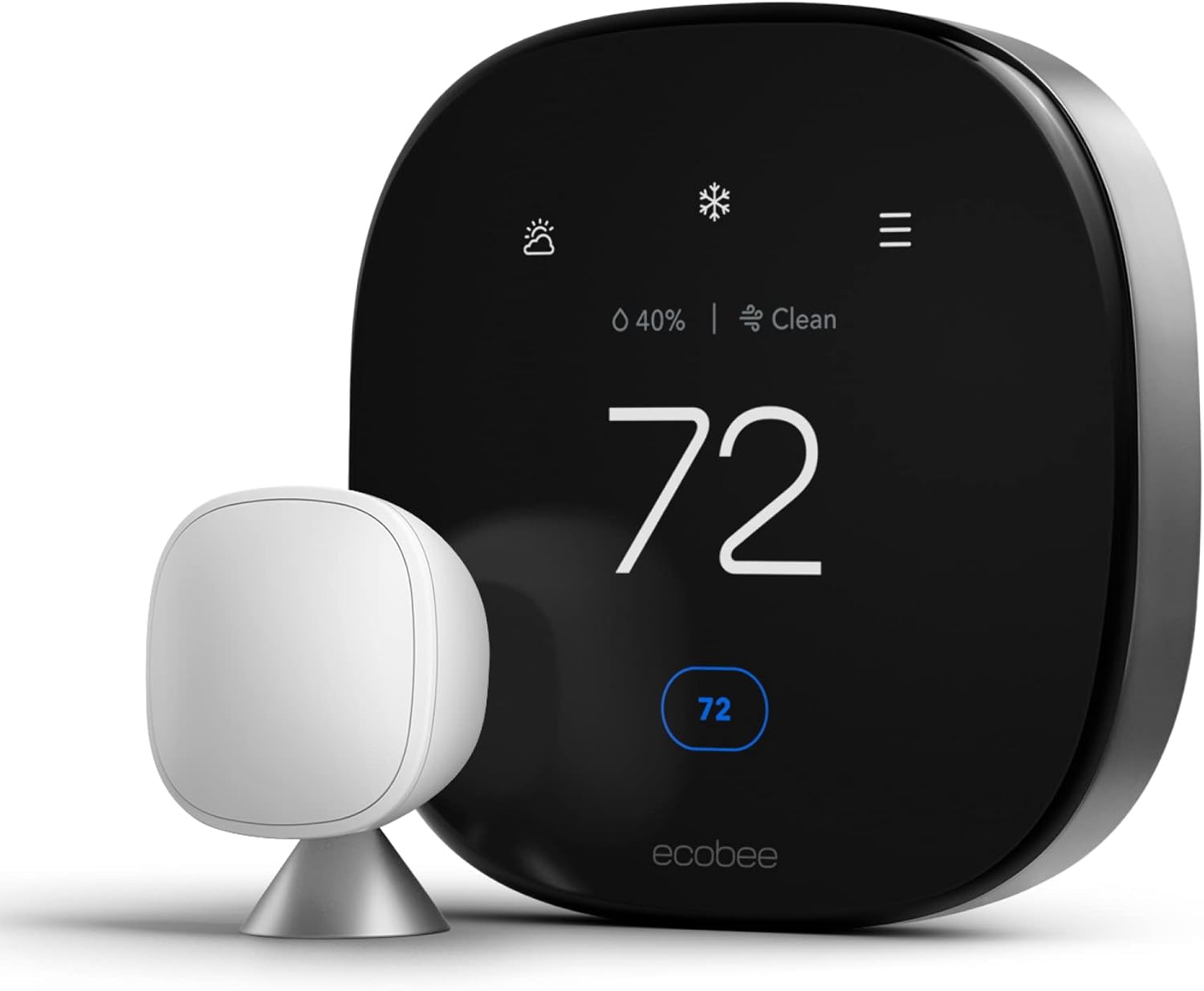
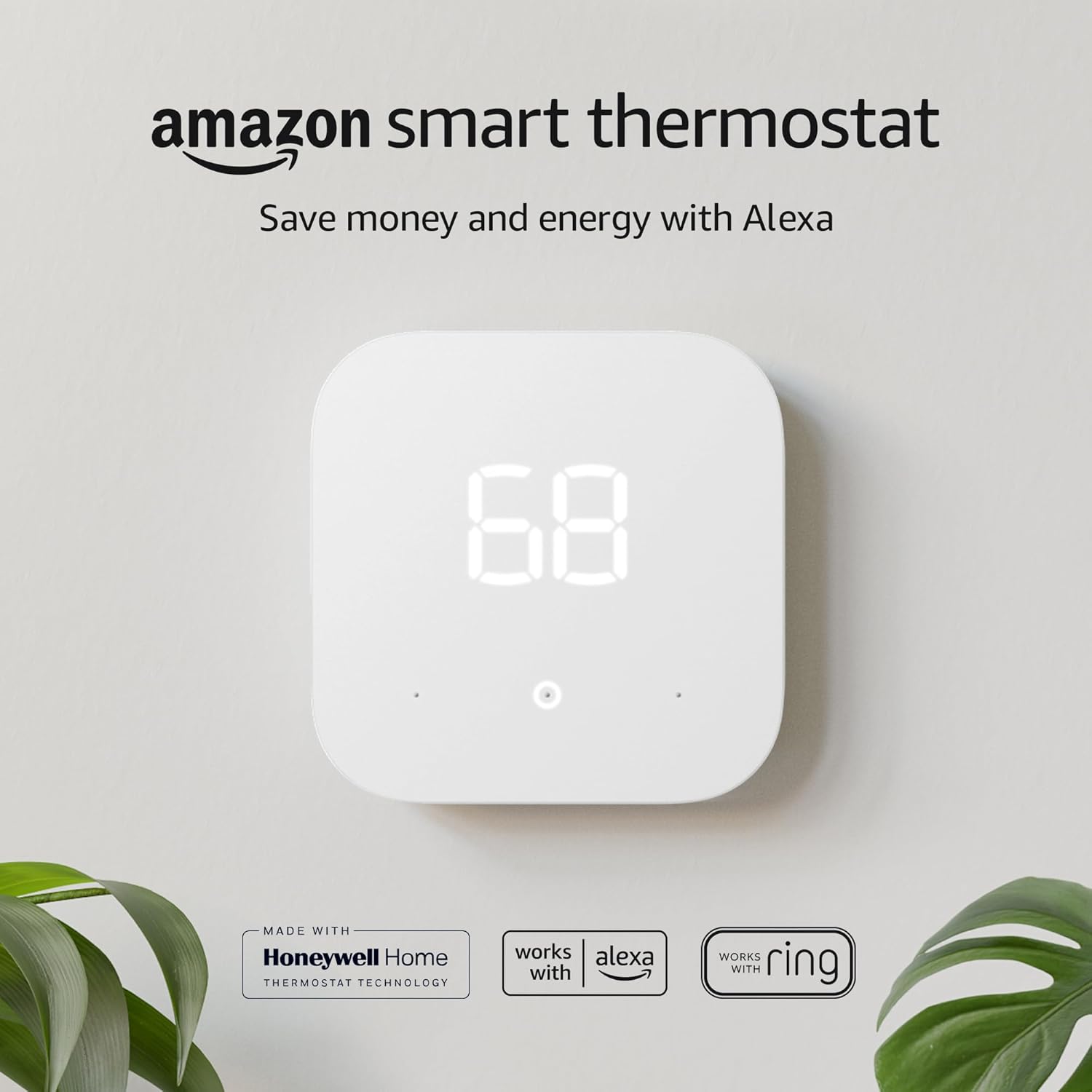
Running a heater without a thermostat is a massive waste of energy and can even harm your plants by overheating them. A thermostat acts as the brain of your heating system, turning the heater on only when the temperature drops below your set point and shutting it off once that temperature is reached. This simple device can easily cut your energy consumption in half compared to a continuously running heater. For the most accurate readings and control, consider investing in one of the best greenhouse heaters with a built-in thermostat. A reliable thermostat ensures you’re only paying for the heat you actually need.
3. Don’t Forget Air Circulation
Hot air rises. Without proper circulation, the top of your greenhouse can be toasty warm while the soil level remains dangerously cold. A small, oscillating fan set on low will:
- Distribute heated air evenly.
- Prevent moisture from settling on leaves, reducing disease risk.
- Strengthen your plants’ stems.
Smart Greenhouse Temperature Control: Thermostats, Controllers & Automation
The thermostat is the unsung hero of efficient greenhouse heating. Yet many greenhouse owners still rely on the basic dial thermostat built into their heater—a tool that may be accurate to within 5°F or even less. In a greenhouse environment where a 5°F swing can mean the difference between a thriving crop and a frost-damaged one, precision matters. Here’s a comprehensive look at your thermostat and temperature control options.
Basic Bimetallic Dial Thermostats
These are the simplest and most common type, built into most budget greenhouse heaters. A coiled bimetallic strip (two different metals bonded together) physically bends as temperature changes, making or breaking an electrical contact. They are durable and require no power to operate, but their accuracy is typically ±3–5°F and they can drift over time as the metal ages. For a cold greenhouse where you’re simply trying to stay above freezing, this is perfectly adequate. For a temperate or tropical greenhouse where you need to maintain 65°F ± 2°F, invest in something better.
Digital Electronic Thermostats
Digital thermostats use electronic temperature sensors (typically a thermistor or thermocouple) and microprocessor logic to control heating. Their accuracy is typically ±1–2°F, they maintain settings reliably over time, and many include features like day/night setback programming, digital displays, and data logging. For most hobby greenhouse growers, a quality digital thermostat is the optimal balance of performance and cost. Look for units specifically rated for outdoor or high-humidity environments if the thermostat will be exposed to greenhouse moisture.
Night Setback Thermostats: A Major Money Saver
One of the most cost-effective upgrades you can make to your greenhouse heating system is a night setback thermostat—a programmable unit that automatically reduces the target temperature during nighttime hours. The reasoning is physiological: most plants don’t need the same temperature at 3 a.m. that they need at noon. In fact, many crops actively benefit from a nighttime temperature 5–10°F cooler than their daytime optimum, a phenomenon known as the DIF (Difference between day and night temperature) effect.
For example, if you maintain your greenhouse at 62°F during the day, setting the night thermostat to drop to 50°F from midnight to 6 a.m. can reduce your heating energy consumption by 15–25%, depending on your climate and insulation level. Over a full heating season, this single strategy can save 100–200 kWh—equivalent to $17–$34 at the national average electricity rate, and considerably more in high-cost states.
Smart Greenhouse Controllers
Modern smart greenhouse controllers take automation to a completely new level. These WiFi-connected devices can simultaneously manage your heater, ventilation fans, shade cloths, supplemental lighting, irrigation systems, and even CO₂ enrichment equipment—all from a smartphone app. Temperature and humidity sensors placed throughout the greenhouse feed continuous data to the controller, which uses preset algorithms or custom rules to maintain ideal growing conditions with minimal human intervention.
Popular smart controllers used by hobbyist greenhouse growers include the Inkbird IBS-TH2, the Govee temperature and humidity monitor (which provides alerts to your phone if temperature drops dangerously), and more sophisticated integrated systems like the TrolMaster Hydro-X or the Argus Controls systems used in commercial horticulture. For a serious growing operation where crop quality and consistency are paramount, the investment in smart control technology typically pays for itself rapidly through reduced energy consumption and fewer crop losses.
Where to Position Your Temperature Sensor
The temperature sensor is the “ears” of your thermostat—it only knows what the sensor tells it. Sensor placement therefore has a massive impact on how effectively your heating system actually performs. Follow these guidelines for accurate, representative readings:
- Position at plant canopy level, approximately 12–18 inches above the soil surface. This is where your plants actually live and where the temperature matters most.
- Protect from direct sunlight. A sensor in direct sun will read 10–20°F above the actual air temperature, causing your heater to shut off prematurely and your plants to chill.
- Protect from direct heater airflow. Placing the sensor directly in the path of the heater’s output will cause rapid cycling and inaccurate readings.
- Consider a radiation shield. A simple white plastic radiation shield (a ventilated housing that protects the sensor from radiant heat and sunlight while allowing free air circulation) dramatically improves sensor accuracy for minimal cost.
- Use multiple sensors in large greenhouses. A temperature differential of 5–10°F between different areas of a large greenhouse is not uncommon. Multiple sensors allow you to identify and address hot and cold spots.
Greenhouse Insulation Strategies: Keep the Heat In and Cut Your Bills
Heating a poorly insulated greenhouse is an exercise in futility—you’re spending money to heat the sky. Every dollar invested in insulation typically returns $2–$5 in reduced heating costs over a heating season, making insulation improvements one of the highest-ROI investments a greenhouse gardener can make. Here’s a systematic approach to reducing heat loss in your greenhouse.
Step 1: The Air Leak Audit
Before you spend a cent on insulation materials, find and seal the air leaks. Air infiltration (cold outside air entering and warm inside air escaping through gaps and cracks) can account for 20–40% of total heat loss in a typical hobby greenhouse. The easiest way to find leaks is on a cold, calm night: hold a lit stick of incense or a smoke pencil near all seams, joints, where glazing meets framing, around the door frame and threshold, at any penetrations for electrical conduit or plumbing, and at the base of the greenhouse where it meets the foundation. Anywhere the smoke wavers or is drawn toward, you have infiltration.
For sealing, use exterior-grade silicone caulk for rigid joints between glazing panels and framing, and self-adhesive foam weather stripping for moveable joints like door frames and operable vent panels. Don’t forget the door threshold—a simple rubber door sweep can eliminate a surprisingly large source of cold air infiltration.
Step 2: Bubble Wrap Insulation
Horticultural bubble wrap (the kind sold specifically for greenhouse use, with larger bubbles and UV-stabilized material) is the most affordable and easiest-to-install insulation upgrade for glass and single-wall polycarbonate greenhouses. Attached to the inside of the glazing with double-sided tape or special twist clips designed for greenhouse framing, a single layer of bubble wrap reduces heat transmission by approximately 30–40%, raising the R-value of single glass from R-0.9 to approximately R-1.6.
For even greater performance, a double layer of bubble wrap can push R-values to R-2.5 or higher. The tradeoff is reduced light transmission—bubble wrap typically blocks 10–20% of incoming light, which can slow plant growth during the short days of winter. Balance the insulation benefit against the light penalty based on your plants’ requirements: shade-tolerant ferns and overwintering dormant plants can tolerate the light reduction easily, while light-hungry tomatoes and peppers cannot.
Step 3: Thermal Curtains (Night Curtains)
Thermal curtains—horizontal curtains of aluminized thermal fabric suspended just below the roof of the greenhouse—are one of the most effective insulation strategies used in both commercial and hobby greenhouse settings. When drawn across at dusk, they create an air pocket between the curtain and the cold glazing overhead, dramatically reducing radiant heat loss to the cold sky. Studies from commercial greenhouse operations show that a well-fitting thermal curtain can reduce nighttime heating energy consumption by 30–50%.
For hobbyist use, simpler versions are available: a length of Aluminet shade/thermal fabric attached with clips to the greenhouse framing and manually pulled across each evening is perfectly effective. Remember to open the curtain during the day to allow sunlight to penetrate and heat the thermal mass of the greenhouse floor and planters.
Step 4: Insulating the North Wall
In a freestanding greenhouse in the Northern Hemisphere, the north-facing wall receives essentially no direct sunlight during winter. This makes it a pure heat-loss surface with zero solar benefit. Replacing the glazing on the north wall with an insulated panel—rigid foam insulation faced with a reflective surface is ideal—can significantly improve overall greenhouse heat retention while simultaneously reflecting light from the south back toward your plants. Many experienced greenhouse gardeners line their entire north wall with white-painted insulated panels or foil-faced foam board.
Step 5: Foundation and Floor Insulation
A surprisingly large amount of heat escapes downward through an uninsulated greenhouse floor, particularly through the perimeter where the greenhouse structure meets the ground. Installing a 2–4 inch wide strip of rigid foam insulation vertically around the interior perimeter of the foundation, extending 12–18 inches below grade, dramatically reduces this “edge conduction” heat loss. Inside the greenhouse, a gravel or bark mulch floor over a layer of landscape fabric is far less conductive than bare soil, while a properly constructed concrete or paver floor with a layer of rigid foam insulation beneath it offers the best thermal performance.
Greenhouse Heater Recommendations by Greenhouse Size
One of the most common questions we receive is simply: “What size heater do I need for my greenhouse?” While the BTU calculation above gives you the most accurate answer, many gardeners want a quick rule-of-thumb recommendation. The table below provides general guidance based on common hobby greenhouse sizes in a Zone 6 climate (minimum outdoor temperature around 0°F), maintaining a cool greenhouse temperature of 45–55°F with reasonably good insulation (twin-wall polycarbonate or glass with bubble wrap).
| Greenhouse Size | Volume (cu ft) | Recommended Wattage | Recommended BTU | Heater Type Suggestion |
|---|---|---|---|---|
| 4×6 ft (mini greenhouse) | ~192 | 500–750W | 1,700–2,500 | Small electric fan heater or tube heater |
| 6×8 ft | ~384 | 750–1,500W | 2,500–5,000 | 1,500W electric fan heater with thermostat |
| 8×12 ft | ~768 | 1,500–2,500W | 5,000–8,500 | 2,000–2,500W electric or small propane |
| 10×16 ft | ~1,280 | 2,500–4,000W | 8,500–13,500 | Two 1,500W electrics or 15,000 BTU propane |
| 12×20 ft | ~1,920 | 4,000–6,000W | 13,500–20,000 | Natural gas unit heater or 5kW electric |
| 16×24 ft and larger | 3,072+ | 6,000W+ | 20,000+ | Natural gas, propane unit heater, or heat pump |
Optimal Greenhouse Temperatures for Specific Crops and Plants
Not all plants have the same temperature requirements, and understanding the specific needs of what you’re growing allows you to set your thermostat intelligently—neither wasting energy nor risking crop loss. Here’s a comprehensive guide to the heating requirements of the most popular greenhouse crops and plant types.
Vegetable Crops
Tomatoes: Tomatoes are one of the most popular greenhouse crops and one of the most temperature-sensitive. They require a nighttime minimum of 55°F to avoid chilling injury, and ideally 60–65°F for steady growth. Daytime temperatures of 70–80°F promote the best fruit set. Below 50°F, tomato plants may survive but will stall completely, and temperatures below 40°F can cause permanent tissue damage. For year-round tomato production in a Zone 6 greenhouse, expect to maintain a temperate greenhouse with heating costs accordingly.
Cucumbers: Even more heat-demanding than tomatoes, cucumbers require a minimum nighttime temperature of 60°F and prefer daytime temperatures of 75–85°F. They are highly susceptible to chilling injury and will show symptoms—yellowing, pitting on fruit, and collapse of young tissue—at temperatures below 50°F. Cucumbers are best suited to temperate or warm greenhouse conditions.
Lettuce and Salad Greens: Lettuce, spinach, arugula, Swiss chard, and Asian greens are the ideal crops for a cool or cold greenhouse. They germinate and grow actively at temperatures as low as 40°F and prefer a range of 45–65°F. Temperatures above 75°F cause bolting (premature flowering and bitter flavor). These crops are the most economical to heat for because they thrive at the lowest temperatures you need to maintain.
Herbs: Most culinary herbs fall into two categories. Hardy herbs—parsley, cilantro, dill, chervil—tolerate cool greenhouse conditions (40–50°F) quite well. Tender herbs—basil, lemon verbena, rosemary in deep winter, Vietnamese coriander—need a temperate environment with nighttime temperatures of at least 55°F, and basil in particular will show blackening and collapse of foliage at temperatures below 50°F.
Root Vegetables: Carrots, beets, radishes, and turnips are surprisingly cold-tolerant and can produce excellent crops in a cool greenhouse. They germinate at 40–45°F and grow well at 50–65°F. The main advantage of growing root vegetables in a heated greenhouse is not warmth but rather the protection from hard freezes that would damage the foliage and halt growth.
Fruiting Crops
Strawberries: Greenhouse strawberries represent one of the most rewarding uses of a heated greenhouse. They require only cool conditions (45–55°F minimum nighttime temperature) to produce fruit weeks or months ahead of outdoor plants. Day-neutral varieties like Seascape and Albion are particularly well-suited to greenhouse production.
Citrus: Lemon, lime, mandarin, and kumquat trees can be successfully overwintered in a cool or temperate greenhouse. They need a minimum nighttime temperature of 40–45°F to avoid serious damage (though a brief dip to 32°F for a night or two will rarely kill a well-established tree). They prefer daytime temperatures of 60–70°F for active growth and flowering. Meyer lemon is the most popular greenhouse citrus variety in North America due to its compact size and prolific fruiting habit.
Figs: Potted fig trees make excellent greenhouse subjects and are more cold-tolerant than most tropical fruits. They will tolerate temperatures down to 20°F in a dormant state, meaning a cold greenhouse is sufficient for overwintering them. If you want them to remain in leaf and produce fruit through the winter, maintain a cool to temperate greenhouse environment.
Orchids and Tropical Plants
Phalaenopsis Orchids: The popular moth orchid requires a minimum nighttime temperature of 60–65°F and prefers daytime temperatures of 70–80°F. They are well-suited to the temperate greenhouse and actually require a brief period of cooler nights (55–60°F for 2–4 weeks) to initiate flower spike production.
Cymbidium Orchids: Unlike Phalaenopsis, Cymbidiums are surprisingly cold-tolerant and actually require cool temperatures (40–50°F at night during fall) to initiate flowering. A cool greenhouse is ideal for Cymbidiums, making them one of the most economical orchids to grow in terms of heating requirements.
Tropical Foliage Plants: Plants like Monstera, Philodendron, Anthurium, and Bromeliads require a warm greenhouse environment with nighttime minimums of 60–65°F. They are generally forgiving of brief temperature fluctuations but will show chilling injury (yellowing, browning, and wilting) if exposed to sustained temperatures below 50°F.
Greenhouse Heater Safety: A Complete Guide to Safe Operation
A greenhouse is a unique environment: enclosed, often unattended for long periods, filled with flammable plant material and potentially combustible growing media, and subject to high humidity and temperature fluctuations. These conditions make safe heater selection, installation, and operation more critical than in most other settings. Here is a comprehensive safety guide.
Fire Safety Fundamentals
The combination of a heat source, dry plant material, and potentially flammable potting media creates real fire risk in a greenhouse. Follow these fundamentals to minimize fire hazard:
- Maintain clearance zones: Follow the manufacturer’s specified minimum clearances from combustible materials on all sides of the heater. As a minimum, maintain 18 inches of clearance on all sides and above. Keep the area around and below the heater clear of fallen leaves, potting media, paper, and other flammable materials.
- Never use extension cords: Electric heaters draw substantial current. Extension cords, particularly lightweight ones, can overheat and cause fires. Always plug heaters directly into a properly grounded outlet rated for the heater’s amperage draw.
- Use a GFCI-protected outlet: In the wet, humid environment of a greenhouse, a Ground Fault Circuit Interrupter (GFCI) outlet is an absolute must for any electric heating equipment. GFCIs detect small ground faults—the kind that occur when water bridges an electrical connection—and interrupt the circuit before a shock or fire occurs. Many jurisdictions require GFCI protection in outdoor and agricultural structures by code.
- Install a smoke detector: A battery-operated smoke detector mounted near the roof of the greenhouse provides critical early warning of a fire. Test it monthly and replace the battery annually.
- Keep a fire extinguisher nearby: A standard ABC dry chemical extinguisher stored just inside the greenhouse door, within easy reach, is an inexpensive investment that could save your greenhouse and potentially your home if it’s attached.
Carbon Monoxide Safety for Gas Heaters
Carbon monoxide (CO) is a colorless, odorless gas produced by the incomplete combustion of propane, natural gas, and kerosene. It is lethal to humans and animals at relatively low concentrations, and can injure or kill plants at concentrations that may not yet be dangerous to people. The key to safe gas heater use in a greenhouse is ventilation.
Install a CO detector in any greenhouse where combustion heating is used. These inexpensive devices (battery-operated models are widely available for $25–$50) will alarm if CO levels rise to dangerous concentrations, giving you time to ventilate or shut down the heater before serious harm occurs. Even if your greenhouse is only a hobby space that you visit for an hour a day, CO can accumulate and reach dangerous levels that greet you when you walk through the door.
Electrical Safety Checklist
For electric greenhouse heaters, verify the following before each heating season:
- Inspect the heater’s power cord for cracks, fraying, or damage. Replace the heater if the cord is damaged—do not attempt to repair it.
- Check the plug and outlet for signs of heat discoloration, arcing, or melting, which indicate a loose connection or an overloaded circuit.
- Verify that the outlet is GFCI-protected and test the GFCI function by pressing the “Test” and “Reset” buttons.
- Ensure the heater’s air intake and output grilles are clean and unobstructed. Dust and debris can reduce airflow, causing the heating element to overheat.
- Verify the heater’s thermostat and overheat protection features are functioning. Most heaters have a high-limit switch that shuts the unit off if it overheats—test it according to the manufacturer’s instructions.
- Check the IP (Ingress Protection) rating of your heater. In a humid greenhouse environment, use only heaters rated at minimum IPX4 (splash-proof). IPX5 or IPX6 rated heaters are preferable for particularly wet environments.
Protecting Your Greenhouse During Power Outages
The scenario every electric-greenhouse-heated grower dreads: a major winter storm, the power goes out at midnight, and your greenhouse begins to cool toward the freezing point. Having a backup heating strategy can be the difference between a setback and a complete loss of your overwintering plants. Here are the most practical options:
Propane Backup Heater
Keeping a properly sized propane heater (like the Mr. Heater Buddy reviewed above) and a full spare propane tank stored in your greenhouse at the start of winter is the simplest and most effective backup strategy for most hobbyist growers. Store the propane tank outside the greenhouse (for safety) but keep the heater and hose connection inside and ready to deploy at a moment’s notice. During an outage, open a vent slightly, connect the tank, and the heater can maintain above-freezing temperatures for 12–24 hours on a single standard 20 lb tank depending on output setting and greenhouse size.
Generator-Powered Heating
A small portable generator can power your electric greenhouse heater during an outage. A 2,000-watt inverter generator (models from Honda, Yamaha, or Champion are highly reliable) can power a 1,500-watt heater continuously, plus run the circulation fan and any emergency lighting. Always operate the generator outdoors, well away from any structure, and use a properly rated outdoor-rated extension cord to connect to the heater. Never run a generator indoors—generator exhaust contains lethal concentrations of carbon monoxide.
Emergency Thermal Blanketing
For short-duration outages where you simply need to slow the rate of temperature drop, emergency Mylar thermal blankets (the type sold for camping emergencies) can be draped over the most vulnerable plants or used to create an insulated tent around a smaller section of the greenhouse. This strategy buys time—it doesn’t replace heating—but in a mild climate it may be sufficient to protect plants through a 6–12 hour outage.
Temperature Monitoring and Alert Systems
Regardless of what backup heating strategy you choose, investing in a WiFi-connected temperature monitor with smartphone alerts is one of the wisest investments a greenhouse owner can make. Devices like the Govee WiFi Temperature Sensor or the Inkbird IBS-TH2 Plus monitor the greenhouse temperature continuously and send an alert to your phone the moment the temperature drops below a threshold you set. This early warning gives you time to respond—deploying your backup heater, calling a neighbor, or even just checking that your primary heater hasn’t tripped a breaker—before plants are damaged.
Seasonal Greenhouse Heating Schedule: Month-by-Month Guide
Effective greenhouse heating isn’t just about the heater you choose—it’s about understanding how your heating needs change through the seasons and adapting your strategy accordingly. The following month-by-month guide is calibrated for a typical Zone 6 climate (Chicago, Indianapolis, Baltimore), maintaining a cool-to-temperate greenhouse (target: 50–60°F overnight minimum).
| Month | Avg. Outdoor Low | Heating Need | Key Actions |
|---|---|---|---|
| September | 48°F | Minimal – Frost protection only | Check heater, replace batteries in thermostat; seal any new gaps found over summer. |
| October | 38°F | Low – Some nights need heat | Connect heater; install bubble wrap insulation; bring in tender plants. |
| November | 28°F | Moderate – Regular nightly heating | Hang thermal curtains; check propane backup supply; switch to winter thermostat setting. |
| December | 20°F | High – Heater runs most nights | Maximize insulation; add thermal mass if possible; monitor daily. |
| January | 18°F | Highest – Peak demand month | Check backup heater; inspect all seals after freeze-thaw cycles; sow early crops mid-month with supplemental lighting. |
| February | 22°F | High – Still peak winter | Begin sowing warm-season crops (tomatoes, peppers) in heat-mat-equipped propagation area. |
| March | 32°F | Moderate – Watch for cold snaps | Daytime overheating can become an issue—open vents on sunny days. Keep heater on overnight. |
| April | 42°F | Low – Frost risk evenings only | Transition thermostat to frost-stat mode. Remove bubble wrap insulation to maximize light. |
| May | 52°F | Minimal – Occasional cold nights | Keep heater available but largely unneeded. Focus shifts to ventilation and shading. |
| June–August | 60°F+ | None – Cooling season | Service heater; clean elements and grilles; check thermostat calibration; store safely for summer. |
Greenhouse Heater Maintenance: Keep Your Heater Running Reliably All Season
A greenhouse heater that fails on the coldest night of winter is one of the most frustrating and potentially devastating experiences for a greenhouse grower. Fortunately, a simple annual maintenance routine can dramatically reduce the risk of mid-season failure and extend the operating life of your heater by many years.
Pre-Season Maintenance Checklist (September)
- Clean the heating element and grilles. Dust and debris accumulate on the heating element during storage and reduce heating efficiency while increasing fire risk. For fan heaters, use a vacuum with a soft brush attachment to clean the intake and output grilles, and carefully clean around the heating element.
- Test the thermostat. Set the thermostat to maximum, plug in the heater, and verify that it heats up fully. Then set the thermostat below room temperature and verify that the heater shuts off. This simple test catches thermostat failures before the heating season begins.
- Inspect the power cord and plug. Look for cracks, kinks, or heat damage. A damaged cord should be replaced before use.
- Test all safety shutoffs. Fan heaters have a tip-over switch and often an overheat high-limit switch. Test these according to the manufacturer’s instructions.
- For propane heaters: inspect hoses and connections. Use a soap solution applied to all gas connections (with the valve open but before igniting) to check for bubbles indicating gas leaks. Replace any hose showing cracks, stiffness, or discoloration.
- Check propane tank level. Weigh the tank or use a tank level gauge to verify you have adequate fuel for the heating season. Purchase a spare tank before prices spike in late fall.
Mid-Season Maintenance (January)
- Clean intake grilles again—greenhouse air is full of dust, pollen, and plant debris that accumulates rapidly.
- Check the thermostat accuracy using a separate calibrated thermometer placed next to the sensor.
- Verify all electrical connections are secure and showing no signs of heat or arcing.
- Inspect the heater’s mounting or placement—vibration can loosen brackets or move the unit from its optimal position.
End-of-Season Storage (June)
- Thoroughly clean the heater before storage to prevent the buildup becoming a fire hazard in storage.
- For propane heaters: disconnect the hose, store the tank upright outdoors in a ventilated location, and cap the heater’s gas inlet to prevent insect nesting.
- Store electric heaters in a dry location, ideally in the original packaging or a sealed plastic bag to prevent moisture and pest damage.
- Record any observed performance issues in a maintenance log so you remember them when servicing in the fall.
Frequently Asked Questions (FAQ)
Q: Can I use a regular indoor space heater in my greenhouse?
A: You can, but with caution. Look for models with essential safety features like tip-over protection and an automatic overheating shut-off. However, greenhouse-specific heaters are superior because they are built to withstand the high humidity and moisture levels of a greenhouse environment (look for an IPX4 rating or higher). Regular space heaters may corrode or short-circuit over time in these conditions.
Q: What’s the most energy-efficient type of electric heater?
A: Technically, all 1500W electric heaters convert the same amount of electricity into 1500W of heat. The difference is in how they deliver that heat. Infrared (radiant) heaters are often considered the most “efficient” in practice because they heat your plants and soil directly, not the air. This means less energy is wasted heating empty space, especially in a leaky greenhouse. However, in a well-insulated and sealed greenhouse, a fan heater with good circulation and a precise thermostat can be just as effective.
Q: How do I figure out what size heater I need?
A: You can use a simple formula to get a good estimate. You’ll need to calculate the cubic feet of your greenhouse (Length x Width x Average Height). Then, determine the maximum temperature rise you’ll need (your desired minimum indoor temp minus the coldest expected outdoor temp).
Formula: Cubic Feet x Desired Temperature Rise (°F) x 0.133 = BTUs needed per hour.
To convert BTUs to watts, divide the BTU number by 3.41. (e.g., 5000 BTUs / 3.41 ≈ 1466 Watts). This would mean a standard 1500W heater is a perfect fit.
Q: Can I use a tube heater in my greenhouse?
A: Yes, and tube heaters are actually an excellent choice for many greenhouse applications. Tube heaters are low-wattage, low-surface-temperature electric heaters—essentially a long heating element housed in a metal tube—that are mounted horizontally near the base of the greenhouse walls. They work by convection, gently warming the air that passes over the tube. Their major advantages are that they operate at a surface temperature low enough to not scorch plants even if a plant touches them, they distribute heat evenly along the perimeter of the greenhouse where cold air tends to collect, and they consume relatively little electricity. A typical 60–80 watt per meter tube heater running along two sides of a small greenhouse consumes only 120–240 watts total—far less than a fan heater—making them very economical for frost protection in a well-insulated greenhouse.
Q: How do I prevent my greenhouse from overheating on sunny winter days?
A: This is a real and often overlooked problem. On a cold but sunny winter day, the greenhouse effect can raise interior temperatures by 30–50°F above the outdoor temperature—easily pushing a greenhouse from 32°F ambient to 80°F or higher inside, which can stress plants and waste the energy stored in thermal mass. The solution is ventilation: at least one roof vent that can be opened on sunny days, and ideally an automatic vent opener (a wax-cylinder thermostat-driven opener that requires no electricity) that opens the vent automatically when the temperature rises above a set point. A roof vent with an automatic opener is one of the best investments in any greenhouse, managing both overheating in winter and heat stress in summer with no operating cost whatsoever.
Q: Is it better to heat the whole greenhouse or just use a heated propagation mat?
A: The answer depends entirely on what you’re trying to achieve. If your primary goal is germinating seeds or rooting cuttings in winter, a heated propagation mat (a waterproof electric mat that warms soil to 70–80°F from below) in a cool greenhouse is far more energy-efficient than heating the entire greenhouse to propagation temperature. Seeds and seedlings only need soil warmth for germination—the air temperature around them can be considerably cooler without affecting germination success. A heated propagation mat consuming 15–20 watts can replace a 1,500-watt heater for propagation purposes alone. However, once seedlings emerge and begin active growth, they do need adequate air temperature as well.
Q: How do I stop condensation and dampness caused by my heater?
A: Condensation in a greenhouse is caused by the interaction between warm, humid air and cold glazing surfaces—it’s essentially unavoidable in a heated greenhouse during winter. However, there are several strategies to manage it. First, electric heaters produce dry heat and therefore are less likely to exacerbate condensation than gas heaters, which add water vapor as a byproduct of combustion. Second, good air circulation (from a fan, even a small one) keeps air moving over the glazing surface, preventing the still air layer that condenses most readily. Third, insulating the glazing with bubble wrap raises the surface temperature of the inside glazing face, significantly reducing the temperature differential that causes condensation. Finally, avoid watering plants in the late afternoon or evening—water the morning, giving moisture time to evaporate during the day rather than adding to nighttime humidity.
Q: What temperature should I keep my greenhouse at night?
A: The ideal nighttime temperature depends entirely on what you’re growing. For frost protection of hardy dormant plants: just above 32°F (34–36°F). For cool-season vegetables (lettuce, spinach, kale): 40–50°F. For temperate crops (tomatoes, peppers in active growth): 55–65°F. For tropical plants and warm-season crops: 65°F or above. As a practical rule of thumb for a mixed-use hobby greenhouse, a nighttime minimum of 45–50°F satisfies the requirements of the vast majority of popular greenhouse crops while keeping heating costs at a reasonable level. Many growers also find it helpful to allow a temperature drop of 5–10°F below the daytime target during the coldest hours of the night (typically 2–5 a.m.), which most plants tolerate without ill effect and which can save meaningful amounts of energy.
Q: Can I heat a greenhouse with a wood stove?
A: Technically yes, but it is generally not recommended for hobby greenhouse applications. Wood stoves are difficult to thermostatically control—they produce a surge of heat when loaded and then gradually decline as the fire burns down, creating temperature swings rather than the stable, controlled environment plants need. They require constant manual tending and a supply of dry firewood. They also produce combustion gases that need venting, ash that must be removed, and represent a significant fire risk in a structure filled with flammable plant material. For large commercial operations with dedicated staffing, wood gasification boilers connected to a hot water radiant heating system can be a very efficient and economical approach. For a hobby greenhouse, electric or gas heating with a proper thermostat is nearly always the better choice.
Q: My heater keeps tripping the circuit breaker. What’s wrong?
A: This is a very common problem and usually has one of three causes. First, the heater may be on a circuit that is already heavily loaded with other appliances—an electric heater draws significant current (a 1,500-watt heater draws 12.5 amps on a 120V circuit) and may be pushing the circuit beyond its rated capacity when other loads are present. The solution is to run the heater on a dedicated circuit. Second, the circuit breaker itself may be old and faulty, tripping at less than its rated amperage. Third, the heater itself may be drawing excessive current due to a failing heating element or motor. Have an electrician check the circuit and outlet. For any permanent greenhouse installation, having a dedicated 20-amp circuit run to the greenhouse is the correct and safest approach.
Greenhouse Heating Glossary: Key Terms Explained
Navigating the world of greenhouse heating involves a lot of technical terminology. Here’s a plain-language glossary of the terms you’re most likely to encounter.
- BTU (British Thermal Unit): The standard unit of heat energy. One BTU is approximately the heat produced by burning a single kitchen match. Greenhouse heaters’ output is commonly rated in BTUs per hour; to convert to watts, divide by 3.41.
- COP (Coefficient of Performance): A measure of heat pump efficiency—the ratio of heat output to electrical energy input. A COP of 3.0 means the heat pump delivers 3 units of heat for every 1 unit of electricity consumed.
- Delta-T (ΔT): The temperature difference between two points—most commonly the desired interior temperature and the minimum exterior temperature. ΔT is used in heat loss calculations.
- Frost-Stat: A type of thermostat preset to activate at a temperature just above freezing (typically 34–36°F), used for simple frost protection in cold greenhouses.
- GFCI (Ground Fault Circuit Interrupter): An electrical safety device that detects small leakage currents to ground and interrupts the circuit to prevent electrocution. Required for greenhouse electrical installations in most building codes.
- IP Rating (Ingress Protection): A classification system for the degree of protection provided by an enclosure against solid particles and liquids. For greenhouse heaters, look for minimum IPX4 (protected against splash water from any direction).
- kWh (Kilowatt-Hour): The unit of electrical energy used by utility companies to measure and charge for electricity consumption. Equal to the energy consumed by a 1,000-watt device running for one hour.
- Night Setback: A heating strategy that reduces the target temperature during nighttime hours to save energy, typically by 5–10°F below the daytime target.
- Radiant Heat: Heat transferred by electromagnetic radiation (infrared waves) rather than through direct contact or air movement. Radiant heaters warm objects directly rather than warming the air first.
- Thermal Mass: Materials that absorb, store, and slowly release heat energy. In a greenhouse, water barrels, concrete, and stone act as thermal mass, absorbing solar heat during the day and releasing it at night to moderate temperature swings.
- U-Value: A measure of the heat transfer rate through a material or assembly. Lower U-values indicate better insulating performance. The inverse of R-value (R = 1/U).
- USDA Hardiness Zone: A geographical designation (from Zone 1a through 13b) used by gardeners and horticulturalists to define which plants are likely to survive the winter minimum temperatures in a given location. Available from the USDA website using your zip code.
Your Year-Round Garden Awaits
Heating your greenhouse opens up a new world of gardening possibilities, transforming it from a seasonal shelter into a year-round engine of growth. While the initial setup and running costs can seem daunting, the solution is knowledge.
By choosing the right type of heater for your needs, accurately calculating its size, and—most importantly—creating an efficient system with proper insulation and temperature control, you can protect your plants and your wallet. Understanding the temperature requirements of your specific crops, positioning your heater correctly, and investing in good thermostat technology are all steps that compound over time into real energy savings and dramatically fewer crop losses.
Whether you’re maintaining a simple cold greenhouse to overwinter a few tender perennials, running a productive cool greenhouse for year-round salad crops, or building toward a lush tropical plant collection that’s the envy of your gardening circle, the principles covered in this guide give you a solid foundation. Start with the right heater for your size and climate, build in proper insulation and thermostat control, and let the knowledge drive every subsequent upgrade and refinement.
The joy of harvesting a fresh tomato in the middle of January, or walking into a warm, fragrant greenhouse on a bitter February morning, is a reward that makes every dollar and degree of effort entirely worthwhile. Happy growing!




 Home
Home
 Info
Info
 Compare
 Reviews
 Shop
Shop