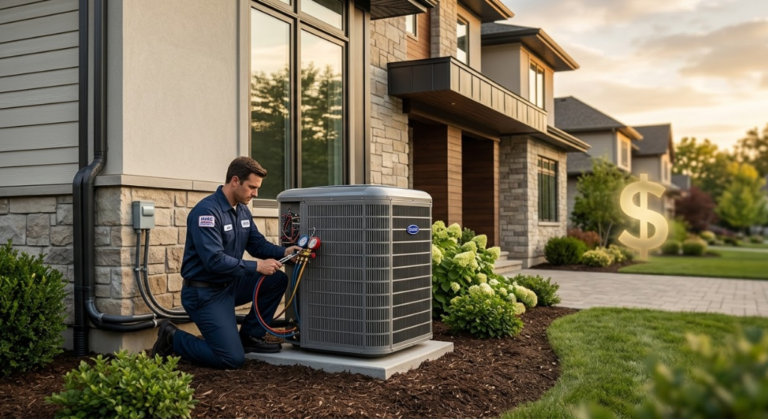
Home Improvement · Cost Guide · 2026 Data
HVAC System Replacement Cost: The Complete 2026 Guide
Everything homeowners need to know — real price ranges by system type, brand, home size, region, and efficiency rating. With tables, visuals, and tips to avoid overpaying.
Replacing an HVAC system is one of the largest home improvement expenses most homeowners will ever face. Yet most people walk into it with almost no data — and end up either overpaying or choosing the wrong system for their home.
This guide changes that. Using data from over 56,000 real homeowner projects completed in 2026, plus current pricing from licensed HVAC contractors across the United States, we have built the most comprehensive HVAC replacement cost breakdown available. Whether you are replacing a single air conditioner, swapping out a gas furnace, upgrading to a heat pump, or doing a full system replacement with new ductwork, the numbers you need are here.
The national average HVAC replacement cost in 2026 sits at approximately $7,500 for a standard mid-efficiency system in a typical 1,500 to 2,000 square foot home. But that single number hides an enormous range. At the low end, a basic system change-out in a small home in a low-labor market can come in around $5,000. At the high end, a premium high-efficiency system with new ductwork, zoning, smart controls, and add-ons in a large home in a high-cost city can exceed $22,000. Understanding where your project falls in that range — and why — is exactly what this guide is designed to help you do.
We cover every factor that moves the needle on cost: system type, home size and tonnage requirements, SEER2 efficiency ratings, brand tier, ductwork condition, regional labor rates, hidden costs, and the federal and state incentives currently available to reduce your out-of-pocket expense. We also cover the most important decision many homeowners face: whether to repair or replace their aging system — the rule-of-thumb calculation that makes that decision straightforward, and the warning signs that tell you your existing system is on its last legs.
The Full Cost Range at a Glance
National averages by installation type and budget tier
The average HVAC replacement cost in 2026 is between $5,000 and $12,500, with most homeowners paying around $7,500 for a new, mid-efficiency system. This price includes the new unit, professional installation, and removal of your old equipment. However, the total cost depends heavily on what type of installation you are doing — a simple swap-out of existing equipment is very different from a full installation with new ductwork.
| Installation Type | Cost Range | Timeframe | Best For |
|---|---|---|---|
| Basic Change-Out (no ductwork) | $5,000 – $11,000 | 1 day | Existing ducts in good condition |
| Full Replace + Ductwork | $7,000 – $16,000 | 3–5 days | Ducts 15+ years old or damaged |
| Premium Install + Add-Ons | $9,500 – $22,000+ | 4–7 days | High efficiency, zoning, smart controls |
| New Construction (no existing system) | $6,500 – $18,000 | 3–5 days | New builds, additions |
There are three budget tiers that most replacement projects fall into, and understanding which tier you are in sets the right expectations before you call a single contractor:
| Budget Tier | Cost Range | What’s Included |
|---|---|---|
| Low End | $5,000 – $7,500 | Basic efficiency system, standard installation, smaller home, existing ductwork in good condition, low-labor market |
| Mid Range | $7,500 – $12,000 | Mid-efficiency (SEER2 15–17), better warranties, potential minor ductwork adjustments, smart thermostat, typical home size |
| High End | $12,000 – $22,000+ | High-efficiency (SEER2 18+), variable-speed technology, new ductwork, zoning system, premium brand, large home or complex install |


Cost by System Type
Central AC, heat pumps, furnaces, mini-splits, and more — each with full cost ranges
The type of HVAC system you choose is the single largest factor in your total replacement cost. Each system type has a fundamentally different cost structure, energy efficiency profile, and suitability for different climates and home configurations. If you’re not sure whether a packaged unit, split HVAC system, or heat pump is right for your home, the breakdown below will help clarify your options.
| System Type | Installed Cost Range | Best Climate | Fuel | Lifespan |
|---|---|---|---|---|
| Central Air Conditioner | $5,000 – $12,000 | All (cooling only) | Electric | 15–20 yrs |
| Gas Furnace | $3,800 – $12,000 | Cold climates | Natural gas | 15–30 yrs |
| Electric Furnace | $1,900 – $5,600 | Mild/no gas line | Electric | 15–25 yrs |
| Oil Furnace | $2,500 – $6,000 | Northeast US | Oil | 15–25 yrs |
| Heat Pump (Air-Source) | $5,500 – $11,000 | Moderate climates | Electric | 15–20 yrs |
| Ductless Mini-Split | $2,000 – $14,500 | Any / no ducts | Electric | 20+ yrs |
| Full AC + Furnace System | $7,000 – $16,000 | All climates | Gas + Electric | 15–20 yrs |
| Boiler System | $3,700 – $12,000 | Cold climates | Gas/Oil/Electric | 20–35 yrs |
| Geothermal Heat Pump | $15,000 – $30,000 | All (most efficient) | Electric | 25–50 yrs |
The full system replacement — a new air conditioner and furnace installed together — is the most common residential HVAC project in the United States. It is almost always more cost-effective to replace the AC and furnace simultaneously, as it saves on labor and ensures the components are properly matched for optimal efficiency. For a deeper component-level cost analysis, see our dedicated guides on AC unit installation cost and furnace replacement cost. Replacing them separately saves nothing on labor and risks mismatched components that reduce efficiency and void warranties.
Heat pumps deserve special mention in 2026 because of their growing cost advantage. Unlike furnaces, which only heat, a heat pump provides both heating and cooling in one system — eliminating the need to buy two pieces of equipment. A tax credit up to $2,000 is available for qualifying air-source heat pumps, making their effective cost considerably lower than their sticker price suggests. In moderate climates where winters rarely drop below 15°F, a heat pump is now frequently the most cost-effective system choice over a 10-year period. Modern heat pumps also benefit from inverter technology that delivers up to 40% more efficiency than older single-stage units.
Cost by Home Size & Tonnage
How square footage determines the system size you need — and what that costs
An HVAC system costs $3 to $6 per square foot, including a new furnace, AC unit, and installation. Replacing an HVAC system for a 2,000 square foot house costs $6,000 to $12,000. The sizing relationship is straightforward: larger homes need larger systems measured in tons of cooling capacity, and larger units cost more both in equipment and labor to install.
| Home Size | Recommended Tonnage | AC Only | Furnace Only | Full System |
|---|---|---|---|---|
| Under 1,000 sq ft | 1.5 – 2 tons | $3,500–$6,000 | $2,500–$5,000 | $5,000–$8,000 |
| 1,000–1,500 sq ft | 2 – 2.5 tons | $4,000–$7,500 | $3,000–$6,000 | $6,000–$10,000 |
| 1,500–2,000 sq ft | 2.5 – 3 tons | $5,000–$9,000 | $3,500–$7,000 | $7,000–$12,000 |
| 2,000–2,500 sq ft | 3 – 3.5 tons | $6,000–$10,500 | $4,000–$8,000 | $8,500–$14,000 |
| 2,500–3,000 sq ft | 3.5 – 4 tons | $7,000–$12,000 | $4,500–$9,000 | $10,000–$16,000 |
| 3,000–4,000 sq ft | 4 – 5 tons | $8,500–$14,500 | $5,500–$11,000 | $12,000–$20,000 |
| Over 4,000 sq ft | 5+ tons | $10,000–$18,000 | $7,000–$14,000 | $15,000–$25,000+ |
Rule of thumb: 1 ton of cooling for every 400–600 square feet. So a 2,000 sq ft house typically needs 3.5–4 tons. But that assumes average insulation, normal ceiling height, and moderate climate. In a hot southern climate with poor insulation, that same home may need 5 tons. In a well-insulated northern home, 3 tons may suffice. Climate and building envelope matter as much as square footage.
Efficiency Ratings & What They Cost
SEER2, AFUE, HSPF — what the ratings mean and how much more you pay for each tier
Efficiency ratings are the most misunderstood factor in HVAC pricing. Higher ratings cost more upfront but reduce monthly energy bills — and the question of whether the premium is worth it depends entirely on how long you plan to stay in your home, your local electricity and gas rates, and how much you use your system each year.
| Rating Type | What It Measures | Standard Tier | High Efficiency | Premium Tier |
|---|---|---|---|---|
| SEER2 (AC/Heat Pump) | Cooling efficiency | 14–15 SEER2 | 16–18 SEER2 | 19–26 SEER2 |
| AFUE (Furnace) | Heating efficiency | 80% AFUE | 90–95% AFUE | 96–99% AFUE |
| HSPF2 (Heat Pump) | Heating efficiency | 7.5 HSPF2 | 8.5–9.5 HSPF2 | 10+ HSPF2 |
| Additional Cost vs Base | — | Baseline | +$1,500–$3,000 | +$3,000–$6,000 |
| Annual Energy Savings | — | Baseline | +$100–$200/yr | +$200–$500/yr |
| Federal Tax Credit | — | None | Up to $600 | Up to $2,000 |
Cost by Brand
Carrier, Trane, Lennox, Rheem, Goodman — real price differences explained
Walk into any HVAC supply house and you will see price tags ranging from $3,500 to $15,000 for units that look roughly similar from the outside. Brand is a major driver of that gap. A Carrier 3-ton system might cost $12,000 installed while a Goodman runs $6,500 for the same house. That $5,500 difference buys a quieter compressor, better controls, higher-quality materials, and a longer warranty — but it does not buy proportionally more cooling capacity or comfort in most homes. For a deep-dive into how the two industry giants differ technologically, see our Trane vs. Carrier comparison.
| Brand | Tier | 3-Ton System Installed | Warranty | Best For |
|---|---|---|---|---|
| Goodman / Amana | Budget | $5,500–$8,500 | 5–10 yr parts | Cost-conscious buyers, rentals |
| Rheem / Ruud | Mid-Range | $6,500–$10,000 | 10 yr parts | Best value for quality |
| Bryant / Payne | Mid-Range | $7,000–$10,500 | 10 yr parts | Carrier quality at lower price |
| Lennox | Premium | $8,500–$13,000 | 10 yr parts+labor | High efficiency, variable-speed |
| Trane / American Std. | Premium | $9,000–$14,000 | 12 yr parts | Durability, extreme climates |
| Carrier | Ultra-Premium | $10,000–$15,000 | 10–12 yr parts | Top tier performance, smart features |
| Bosch IDS 2.0 | Ultra-Premium | $12,000–$20,000 | 10 yr parts | Quiet, ducted heat pump (read review) |
| Mitsubishi (Mini-Split) | Ultra-Premium | $8,000–$16,000 | 12 yr parts | Ductless, zoning, cold climates |
“Premium brands are 30–50% more expensive than budget brands — but deliver perhaps 10–15% better real-world performance. The decision should be based on your long-term plans, not brand loyalty.”
A critical insight that most homeowners miss: many brands that appear to be competitors are actually made by the same manufacturer. Trane Technologies makes Trane and American Standard — the brands are nearly identical. Daikin owns Goodman and the Amana brand. Carrier also owns Bryant and Payne. This means that in many cases, choosing a “sister brand” delivers essentially the same mechanical quality at a meaningfully lower price point. A Bryant system and a Carrier system often share the same compressor, heat exchanger, and controls — but the Carrier badge adds a premium.
Consider mid-range brands. Lennox and Trane are 80% as expensive as Carrier with 95% of the quality. For most residential applications — a typical home in a typical climate with average usage patterns — a mid-range brand like Rheem, Ruud, or Bryant will deliver equivalent comfort and a similar lifespan to a premium brand, at 20–40% lower cost.
Labor Costs & Regional Price Differences
Where you live can change your total HVAC cost by 30–50%
The labor cost to install an HVAC system is $1,000 to $3,000, depending on the home size, furnace and AC unit type and size, and installation complexity. HVAC labor rates are $75 to $150 per hour. Labor typically accounts for 30 to 50 percent of the total project cost — making it the most variable and negotiable component of any HVAC replacement quote.
| Region | Labor Rate ($/hr) | Cost vs. National Avg | Notes |
|---|---|---|---|
| Northeast (NY, MA, CT) | $85–$150/hr | +25–50% higher | High union rates, older housing stock |
| California & Pacific Northwest | $80–$140/hr | +20–40% higher | Strict building codes, high COL |
| Southeast (FL, GA, TX) | $65–$110/hr | Near average | High AC demand, competitive market |
| Midwest (IL, OH, MI) | $55–$90/hr | Near average | Mixed climate needs, good competition |
| South Central (TX, AR, OK) | $50–$80/hr | 10–20% lower | Lower labor costs, high volume market |
| Rural / Small Markets | $40–$65/hr | 20–35% lower | Fewer contractors, lower overhead |
Big-city labor costs can be 25–50% higher than rural markets, and extreme climates often require higher-capacity systems. This means that two homeowners with identical homes and identical systems can face dramatically different bills simply because of geography. A $10,000 HVAC project in suburban Chicago might cost $13,000 in Boston and $8,000 in rural Tennessee — for the exact same equipment and quality of installation.
Seasonality also affects labor pricing in a meaningful way. HVAC contractors are busiest — and most expensive — in midsummer and midwinter, when demand for emergency service peaks. Off-season (April-May or Sept-Oct) is cheapest — save 10–15%. Scheduling your replacement in the shoulder season, when no one is desperate for air conditioning or heat, gives you bargaining leverage that does not exist in peak months.


Hidden Costs & Add-Ons
The expenses that appear after you’ve agreed on a price — and how to budget for them
The sticker price of an HVAC system is never the final price. Every residential replacement project carries a set of potential additional costs that contractors may not mention in their initial quote — not necessarily out of bad faith, but because many of them cannot be assessed until the installation begins and existing conditions are revealed. Knowing these in advance protects you from sticker shock.
| Add-On / Hidden Cost | Typical Cost | How Common | Notes |
|---|---|---|---|
| Ductwork replacement (full) | $2,000–$5,000 | Common in homes 15+ yrs | Most impactful add-on. Up to 30% energy loss from leaky ducts. |
| Ductwork repair / sealing | $300–$1,500 | Very common | Less invasive than full replacement. Good alternative if ducts are structurally sound. |
| Permit fees | $100–$500 | Required in most areas | Always ask if permit is included in the quote. Some contractors charge extra. |
| Electrical panel upgrade | $1,000–$3,500 | Older homes (pre-1990) | Required if upgrading from gas to electric heat pump on an undersized panel. |
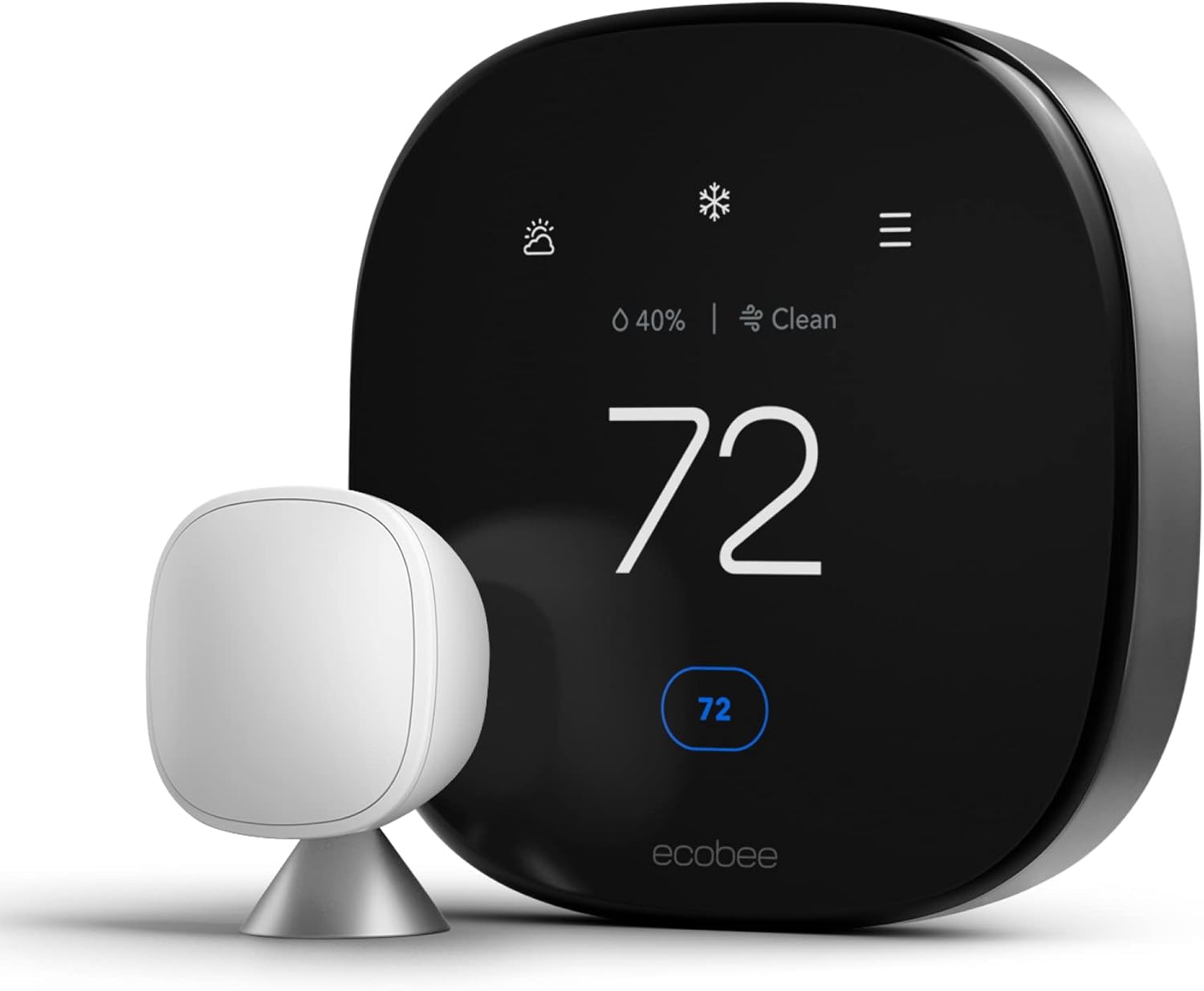
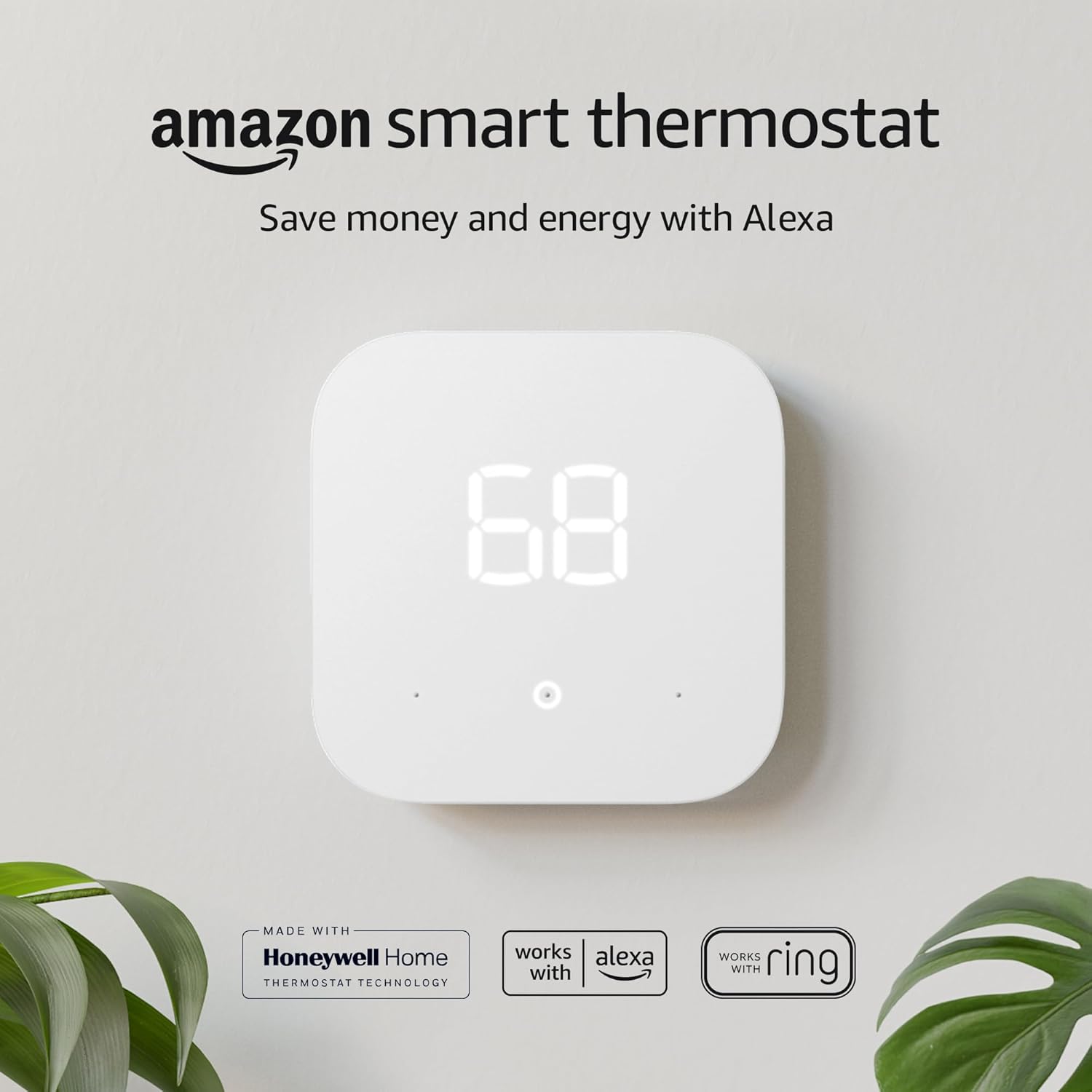
| Smart thermostat | $150–$400 | Optional / recommended | Many efficiency credits require a smart thermostat. ROI is typically 1–3 years. |
| Zoning system | $2,000–$6,500 | Optional, 2+ story homes | Adds room-by-room temperature control. Most cost-effective with new ductwork. |
| Air purifier / UV system | $400–$1,500 | Optional, popular post-COVID | Whole-home air purification installed inline with new HVAC system. |
| Whole-home humidifier | $400–$1,200 | Optional, dry climates | Best installed with a new furnace while the system is open. See top picks. |
| Whole-home dehumidifier | $1,500–$3,000 | Optional, humid climates | Independent humidity control. Learn more. |
| Old refrigerant removal | $50–$300 | Systems pre-2020 | R-410A phase-out means older refrigerant disposal has new handling requirements. |
| Asbestos/mold remediation | $500–$3,000+ | Older homes | May be discovered in ductwork or insulation during installation. |
Ductwork is the most important hidden cost to understand. Up to 30% of your conditioned air can escape through leaky ductwork. If you install a brand-new high-efficiency HVAC system into a leaky 20-year-old duct network, you will never achieve the efficiency the system is rated for. Asking a contractor to test and report on ductwork condition before finalizing a quote is always worth doing — and a reputable contractor will include this assessment at no charge.


Tax Credits, Rebates & Incentives
How to reduce your out-of-pocket cost by $1,000–$5,000+ with available incentives
The federal government currently offers some of the most generous HVAC incentives in decades under the Inflation Reduction Act, and most homeowners are leaving significant money on the table by not claiming them. Combined with state rebates and utility company incentives, the total available reduction on a qualifying HVAC replacement can reach $3,000–$8,000 for income-qualified households. For smart thermostat rebates specifically, see our 2026 smart thermostat rebates guide.
| Incentive Type | Amount | Qualifying Equipment | Requirements |
|---|---|---|---|
| Federal Tax Credit (Heat Pump) | Up to $2,000 | Air-source heat pumps, ENERGY STAR certified | Must have ENERGY STAR PIN as of Jan 2026 |
| Federal Tax Credit (AC) | Up to $600 | Central AC, high-efficiency (SEER2 16+) | 30% of cost, max $600 |
| Federal Tax Credit (Furnace) | Up to $600 | Gas furnace 95%+ AFUE, electric heat pump | 30% of cost, max $600 |
| IRA Total Annual Cap | Up to $3,200/yr | All energy efficiency improvements combined | Includes insulation, windows, HVAC |
| IRA Income-Qualified Rebates | Up to $8,000 | Heat pumps for households below 150% AMI | Check eligibility at ENERGY STAR |
| State Rebates (varies) | $200–$2,000 | Varies by state | Check your state energy office website |
| Utility Company Rebates | $100–$1,500 | ENERGY STAR certified equipment | Check your utility provider’s website |
The most powerful strategy for maximizing incentives is to bundle improvements. The $3,200 annual cap on the Energy Efficient Home Improvement Credit applies per year — meaning you can spread related improvements (attic insulation, air sealing, new HVAC, smart thermostat) across multiple tax years to capture the maximum credit from each. If your project budget allows, replacing the HVAC system in Year 1 and adding insulation and windows in Year 2 can double your total federal incentive capture compared to doing everything at once.


How to Save on HVAC Replacement
Proven strategies to reduce your total cost without sacrificing quality
A $10,000 HVAC quote is not a fixed number. Homeowners who approach the process strategically — gathering multiple quotes, timing correctly, bundling projects, and leveraging available incentives — routinely achieve 15–25% savings on the same quality installation. Here are the most effective strategies, ranked by impact:
| Strategy | Potential Savings | Effort Required |
|---|---|---|
| Get 3+ itemized quotes on the same specs | $500–$2,000 | Low — 3 phone calls |
| Claim federal tax credit (qualifying systems) | $600–$2,000 | Low — tax form at filing |
| Claim state + utility rebates | $200–$2,000 | Low — form submissions |
| Schedule in spring or fall (off-season) | $300–$1,500 | Low — timing only |
| Replace furnace + AC together (vs. separately) | $500–$1,500 | None — just bundle |
| Choose mid-range brand over premium | $1,500–$4,000 | Low — brand selection |
| Ask contractor to match competitor quotes | $300–$1,000 | Low — ask the question |
| Finance with 0% APR (12–24 month offer) | $0 savings, $0 interest cost | Low — ask at signing |
| Improve insulation to downsize system | $800–$2,500 | Medium — pre-install work |
The single most impactful action is also the simplest: get three or more quotes. Because labor accounts for 40–50% of the total cost and contractors set their own labor rates independently, competing quotes on the same equipment specification can produce price differences of $1,000–$2,000 for identical work. Always ask each contractor to provide an itemized quote that separates equipment cost from labor — this makes comparison meaningful and gives you leverage to negotiate.
Financing deserves mention for large projects. Most contractors offer financing: 0% APR for 12–24 months. Typical rates: 4–8% for 60–84 months. Example: $10,000 at 0% for 60 months = $167/month. For homeowners who would otherwise draw down savings or use high-interest credit, 0% contractor financing is essentially free money — use it. Just confirm the 0% rate is genuine and not deferred interest that kicks in if the balance is not cleared.


What You Should Do Next
Use this guide to build your budget range before calling a single contractor. Know your home’s square footage, identify any ductwork concerns, and decide which efficiency tier makes sense for your stay length and climate. Then get three itemized quotes on the same specifications, claim every available federal and state incentive, and schedule in the off-season if your timeline allows.
Ready to take the next step? Browse our full library of HVAC efficiency strategies and 2026 rebate programs to maximize your savings.




 Home
Home
 Info
Info
 Compare
 Reviews
 Shop
Shop