7 Best Whole House Humidifiers of 2026: Expert Reviews, Compared & Ranked

Why Whole-House Humidity Is the Unsung Hero of Indoor Comfort
Walk into a house in January in Minneapolis and you’ll feel it almost immediately — that unmistakable crackle of static electricity when you touch a doorknob, the scratchy throat you wake up with every morning, the way your hardwood floors seem to be slowly pulling apart at the seams. These aren’t signs of bad luck. They’re the very predictable consequences of low indoor relative humidity.
According to ASHRAE (American Society of Heating, Refrigerating and Air-Conditioning Engineers), indoor relative humidity (RH) should ideally remain between 30% and 60% year-round. During heating season, when outdoor air is cold and dry, the relative humidity inside a typical American home can plummet to 10–20% — drier than the Sahara Desert on a summer afternoon. Your HVAC system’s forced-air heating only makes things worse, stripping moisture from every cubic foot of air it processes.
But beyond comfort and energy savings, the right humidity level protects your home. Wood furniture, cabinetry, flooring, musical instruments, artwork, and even drywall all respond to moisture. Too little, and they crack, warp, or shrink. And your body responds too — mucous membranes in your nose and throat function as your first line of defense against viruses and bacteria. When those membranes dry out, your immune defenses weaken. Proper humidity isn’t a luxury — it’s a wellness investment.
So why don’t more homeowners install whole-house humidifiers? Largely because they don’t know where to start. The market is packed with options ranging from affordable bypass drum units to sophisticated steam humidifiers that can integrate with smart thermostats and temperature sensing systems. Prices range from $150 to over $800 just for the unit, before labor.
In this guide, we’ve cut through the confusion. We tested, researched, and consulted with HVAC professionals to bring you the definitive ranking of the 7 best whole house humidifiers for 2026. Whether your home is 1,200 square feet or 4,500, whether you have a split HVAC system or a single-stage furnace, there’s an ideal option on this list for you.
Types of Whole House Humidifiers: Which One is Right for You?
Before diving into specific product reviews, understanding the fundamental operating types will help you make a smarter purchase. Each type has distinct installation requirements, maintenance demands, coverage capacities, and energy profiles. Here’s a clear breakdown:
🌬️ Bypass Humidifiers
Use the furnace fan to push air through a water panel. Low-cost, easy maintenance. Best for average-sized homes. Require a bypass duct.
⚡ Fan-Powered Humidifiers
Have their own internal fan, so no bypass duct needed. More efficient, work even when the furnace fan isn’t running. Good for larger homes.
♨️ Steam Humidifiers
Boil water to create steam. Work independently of the HVAC system. Most precise control, highest capacity. Best for very large or luxury homes.
🔄 Flow-Through Humidifiers
Water flows over a pad and excess drains away. Cleaner than drum types, reduce mineral buildup. Slightly more water use but lower mold risk.
🥁 Drum Humidifiers
A rotating drum with a foam pad sits in a water reservoir. Lowest-cost option. Require more cleaning attention to prevent microbial growth.
The type of blower motor in your air handler matters. Homes with ECM blower motors vs. PSC motors may see different efficiency gains with humidifier types. ECM-equipped systems work especially well with bypass humidifiers since the fan runs continuously at low speeds.
How Whole House Humidifiers Connect to Your HVAC System
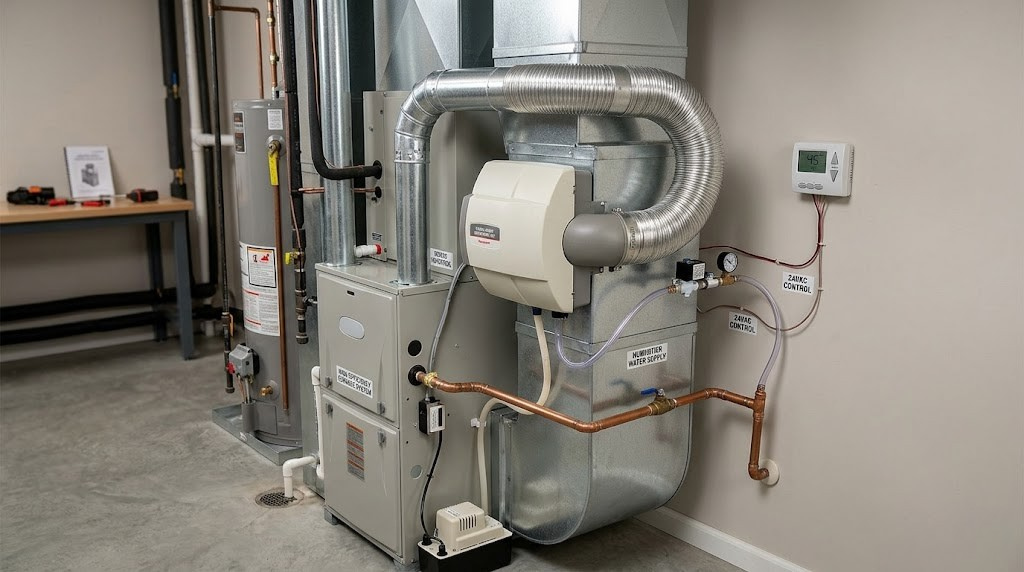
Most whole-house humidifiers connect to your existing forced-air heating system. They tap into two supply points: the supply plenum (warm air duct from the furnace) and the return duct. A humidistat — often mounted on the return duct or wall — signals the humidifier to activate when humidity drops below the set point. Water supply comes from a dedicated connection to your home’s cold water line, and most modern units drain via a floor drain or condensate pump.
Steam humidifiers are the notable exception — they can operate independently of the furnace, making them ideal in homes with inverter-driven HVAC systems or hydronic heating where no forced-air ductwork exists.
A unit rated for 4,000 sq ft doesn’t automatically cover 4,000 sq ft if your home has high ceilings, poor insulation, or excessive air infiltration. Always calculate your home’s actual moisture loss rate (in gallons per day) before purchasing.
Top Picks at a Glance — 2026’s Best Whole House Humidifiers
#1 Honeywell Home HE360 — Best Whole House Humidifier Overall
The Honeywell Home HE360 has held a commanding position in the whole-house humidifier market for years, and in 2026 it remains the top choice for most homeowners. Why? Because it threads the needle perfectly between capacity, affordability, ease of installation, and long-term reliability. It’s the kind of product that HVAC technicians recommend unprompted — not because it’s the most glamorous, but because it simply works, year after year.
Honeywell Home HE360A Whole House Humidifier

The HE360 is a bypass-style whole-house humidifier that installs on the supply or return plenum of your forced-air furnace. Its large evaporative pad distributes moisture effectively through 18 gallons of water per day (GPD) — enough for most larger American homes. It comes with a built-in humidistat, making setup straightforward for both DIYers and professionals.
✓ Pros
- Excellent 18 GPD capacity
- Includes built-in humidistat
- Compatible with most forced-air systems
- Affordable water panel replacements
- Quiet — no internal fan noise
- Wide brand support network
✗ Cons
- Requires bypass duct installation
- Only works when furnace fan runs
- Annual water panel replacement needed
- Not ideal for homes under 1,200 sq ft
Technical Specifications
| Spec | Detail |
|---|---|
| Type | Bypass / Flow-Through |
| Capacity | 18 GPD (gallons per day) |
| Coverage | Up to 4,200 sq ft |
| Water Panel | Honeywell HC26E (annual replacement) |
| Humidistat Included | Yes — Automatic Digital |
| Installation | Bypass duct required, hot/cold water supply |
| Warranty | 5-Year Limited |
| Price Range | $190–$250 (unit only) |
Performance Deep-Dive
The HE360’s bypass design means it relies on the furnace’s blower fan to push air through the humidifier. This is a critical distinction from fan-powered models — it works only when the furnace is running. For most homeowners in cold climates, where the furnace runs frequently during winter, this is rarely a limitation. However, in milder climates or homes with highly efficient furnaces that cycle less frequently, a fan-powered model may add more hours of humidification per day.
The digital humidistat is genuinely useful — it allows you to set your desired relative humidity level and includes an outdoor temperature compensation feature. This matters because the maximum indoor RH you can maintain without window condensation varies with outdoor temperature. At -20°F outside, you shouldn’t try to maintain more than 25% RH. At 20°F outside, 35–40% is safe. The HE360’s humidistat helps you manage this automatically.
From a maintenance standpoint, you’ll replace the water panel (evaporator pad) once per season — typically a $15–$25 part. It takes about 10 minutes. The water distributor and housing are easy to clean with white vinegar annually. Compared to steam humidifiers, there are no electrodes to replace and no scale-heavy boiling chambers to descale.
Honeywell Home HE360A — Best Overall Whole House Humidifier
18 GPD capacity, built-in humidistat, covers up to 4,200 sq ft. Top-rated by HVAC professionals nationwide.
🛒 Check Price on Amazon →#2 Aprilaire 700 — Best Fan-Powered Whole House Humidifier
Aprilaire is perhaps the most trusted name in whole-house humidity control, and the Aprilaire 700 is their flagship fan-powered model. If the Honeywell HE360 is the workhorse, the Aprilaire 700 is the thoroughbred — engineered for maximum performance, precision, and longevity. It’s the choice of HVAC contractors who want to install a unit once and never hear about it again for years.
Aprilaire 700 Fan-Powered Whole House Humidifier

The Aprilaire 700 stands out because it has its own 120V fan. This means it can humidify your home even when the furnace fan is not running — a major advantage in spring and fall when heating demand is low but outdoor air is still dry. It’s rated at 18 GPD and installs on the supply plenum, draining excess water.
✓ Pros
- Works independently of furnace fan
- No bypass duct required
- Industry-leading 18 GPD output
- Aprilaire Auto Mode humidistat
- Extremely well-built, long service life
- Excellent dealer support across the US
✗ Cons
- Slightly higher price than bypass units
- Fan does add some noise
- Requires 120V electrical nearby
- Annual water panel replacement
What Makes the Aprilaire 700 Special?
The “Auto Mode” digital control is where this unit shines. Rather than a simple on/off humidistat, the Aprilaire Auto Mode automatically adjusts the target humidity based on outdoor temperature — preventing condensation on windows while maintaining maximum comfort. For homeowners who don’t want to think about their humidifier, this set-it-and-forget-it functionality is enormously appealing.
The internal fan also allows for “ventilation mode” — circulating air through the pad even during the shoulder seasons when the furnace runs infrequently. If you’ve ever noticed your home is dry in October even though it’s not that cold outside yet, the Aprilaire 700 solves this problem automatically.
Aprilaire water panels (Model 35) are widely available at hardware stores and online, and they’re color-coded for easy identification. Annual replacement is the only consistent maintenance item — though in areas with very hard water, a mid-season inspection is a good habit.
Aprilaire 700 — Fan-Powered Humidifier, 18 GPD, 4,200 Sq Ft
Professional-grade fan-powered humidifier with Auto Mode digital control. Trusted by HVAC contractors across America.
🛒 Check Price on Amazon →#3 Aprilaire 600 — Best Budget Bypass Whole House Humidifier
If the Aprilaire 700 is more than you need — or more than your budget allows — the Aprilaire 600 series offers an outstanding bypass alternative that doesn’t sacrifice the brand’s legendary quality. For homes under 3,000 square feet in moderate climates, the Aprilaire 600 is a smart, cost-effective solution that outperforms most competitors in its price range.
Aprilaire 600 Bypass Whole House Humidifier

The Aprilaire 600 delivers 17 GPD through a bypass design, making it ideal for homes up to 3,000 square feet. It comes with the brand’s Manual Digital Control (600M) or Auto Control (600A) options — giving you flexibility based on how hands-on you want to be with your humidity management.
✓ Pros
- Lower price point than fan-powered models
- High-quality Aprilaire construction
- 17 GPD is excellent for mid-size homes
- Easy annual maintenance
- Available with Auto or Manual controls
✗ Cons
- Requires bypass duct
- Only runs with furnace fan
- Not ideal above 3,000 sq ft
Aprilaire 600 vs. 700: When Does It Make Sense?
The 600 vs. 700 question comes down to three factors: home size, climate, and budget. If your home is under 3,000 square feet and you live in a climate where your furnace runs consistently from November through March, the 600 is probably all you need. The 700’s independent fan becomes most valuable in larger homes or climates with more variable winter weather, where the furnace doesn’t always run continuously.
From an installation standpoint, the Aprilaire 600 is actually easier to install than the 700 because it doesn’t require a 120V electrical connection — it draws its control voltage from the furnace’s 24V circuit. This can simplify installation in basements where a dedicated outlet isn’t already nearby.
One nuance worth noting: in homes with recently replaced HVAC systems featuring two-stage or variable-speed furnaces, the bypass humidifier operates during the lower heat stage (when the fan moves less air), meaning actual moisture output can be lower than the rated 17 GPD. Something to factor in if you have a high-end furnace.
Aprilaire 600 — Best-Value Bypass Humidifier
17 GPD bypass humidifier for homes up to 3,000 sq ft. Legendary Aprilaire quality at a more accessible price point.
🛒 Check Price on Amazon →#4 GeneralAire 990 — Best Steam Whole House Humidifier
Steam humidifiers represent the gold standard in whole-house humidity control. They’re the only type that works completely independently of your heating system, they produce the most consistent and accurate humidity levels, and they can cover very large or very leaky homes that evaporative units simply can’t handle. The GeneralAire 990 is the steam humidifier we recommend most confidently for high-demand applications.
GeneralAire 990 Steam Whole House Humidifier
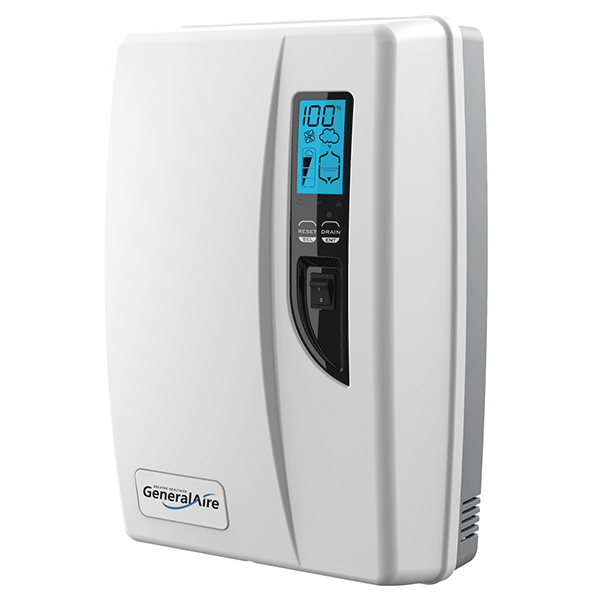
The GeneralAire 990 produces up to 34 gallons of steam per day — nearly double the output of top-tier bypass models. It heats water to boiling using an internal electrode system, then injects steam directly into the ductwork. This approach is the most hygienic available (boiling kills microorganisms) and provides the most consistent, precise humidity control.
✓ Pros
- Massive 34 GPD output
- Works without furnace operation
- Hygienic — steam is sterile
- Covers homes up to 6,000+ sq ft
- Compatible with hydronic/boiler systems
- Most accurate humidity control
✗ Cons
- Significantly higher unit cost ($500–$900)
- Requires 240V or 120V 20A circuit
- Higher operating cost than evaporative
- Electrodes need periodic replacement
- Professional installation strongly advised
Who Actually Needs a Steam Humidifier?
Steam humidifiers shine in specific scenarios. The most obvious is large homes — any home above 3,500 square feet will exhaust the capacity of a single evaporative unit, forcing homeowners to either install multiple units or step up to steam. The second scenario is homes without forced-air systems — if you heat with a boiler, radiant floor, or electric baseboard, a steam humidifier can install in a distribution duct or directly into a room and operate entirely on its own circuit.
The third scenario often surprises people: homes in extreme climates. If you’re in North Dakota, Minnesota, or a high-altitude Rocky Mountain location where outdoor temperatures drop to -30°F or lower, maintaining adequate indoor humidity becomes genuinely difficult. The air at those temperatures holds almost no moisture, and even a well-sealed home with good vapor barriers struggles. The GeneralAire 990’s 34 GPD capacity provides a meaningful buffer that 17–18 GPD units can’t match.
Steam humidifiers use significantly more electricity than evaporative models — roughly $0.08–$0.15 per gallon of steam produced vs. near-zero for bypass types. In a typical season, you might add $60–$150 to your electric bill. For most steam humidifier buyers, the performance benefit is worth the cost, but it’s worth factoring into your decision.
GeneralAire 990 — Best Steam Humidifier for Large Homes
34 GPD steam output, covers up to 6,000 sq ft. The ultimate solution for large homes and extreme climates.
🛒 Check Price →#5 Lennox Healthy Climate HCWB — Best Smart Home Integration
The Lennox Healthy Climate Whole-Home Bypass Humidifier (HCWB series) earns its spot on this list through seamless integration with the Lennox iComfort thermostat ecosystem. If your home has a Lennox HVAC system or you’re planning to upgrade, the HCWB offers a level of connected control that standalone brands simply can’t replicate.
Lennox Healthy Climate HCWB17 Bypass Humidifier

The HCWB17 connects natively to Lennox iComfort thermostats, allowing you to monitor and adjust humidity from your phone or tablet. The system can automatically coordinate humidity operation with your furnace schedule, temperature setpoints, and even outdoor weather data.
✓ Pros
- Native iComfort smart thermostat integration
- Remote humidity monitoring and control
- Lennox system-matched performance
- Clean, professional installation aesthetic
- Strong Lennox dealer support network
✗ Cons
- Higher price vs. standalone units
- Best value only with Lennox HVAC system
- Limited availability outside Lennox dealers
- Smart features require iComfort thermostat
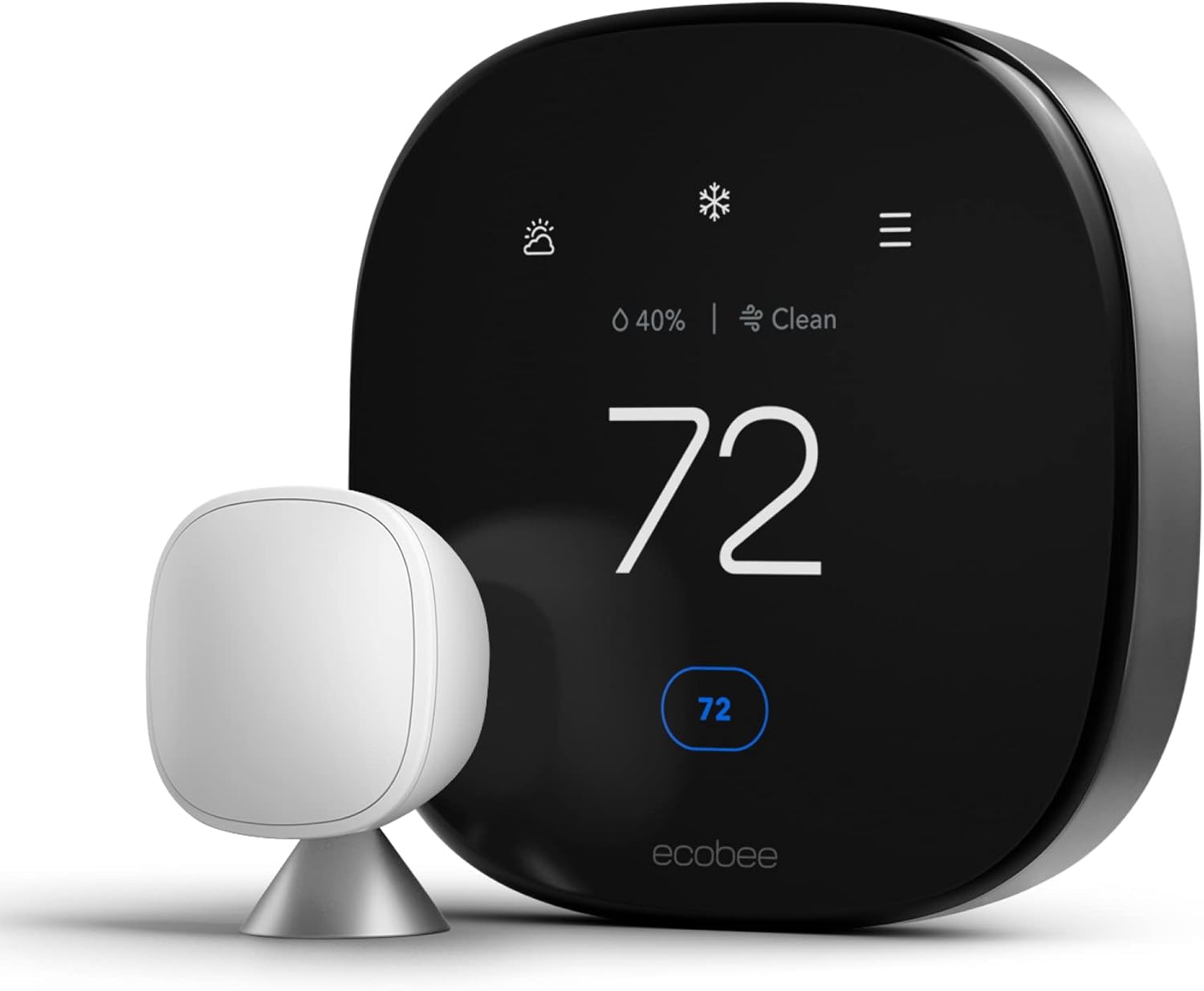
Smart Thermostat Integration in 2026
The landscape for smart HVAC control has matured dramatically. In 2026, homeowners increasingly expect their HVAC components to communicate with each other, not just respond to a simple on/off signal. The Lennox HCWB’s native iComfort integration means your thermostat knows in real time what your humidifier is doing — and can make coordinated decisions. For example, if the system detects outdoor temperatures dropping sharply overnight, it can preemptively lower the humidity setpoint to prevent window condensation, without any manual intervention.
For homeowners who’ve already invested in a multi-zone smart thermostat setup or a connected HVAC system, this kind of coordinated control is genuinely valuable. It eliminates one of the most common humidity management mistakes: forgetting to adjust the humidistat when a cold snap hits.
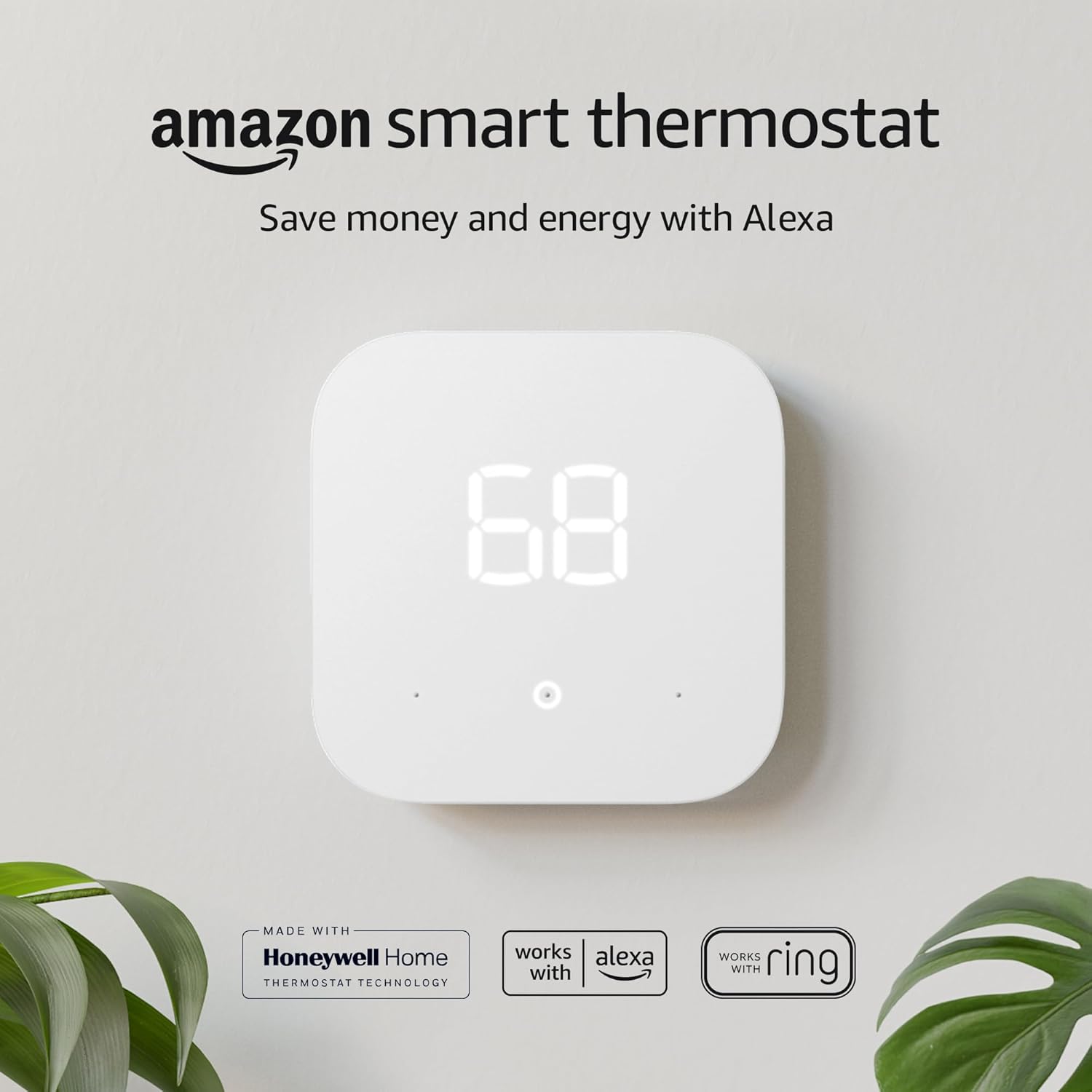
It’s worth noting that the HCWB can also integrate with third-party smart thermostats through the 24V control interface, though you’ll lose some of the advanced features. For homeowners on Ecobee, Nest, or Honeywell Home platforms, basic on/off control through the humidistat terminal works fine.
Lennox Healthy Climate HCWB — Smart-Connected Whole House Humidifier
iComfort smart thermostat integration, 17 GPD bypass operation, up to 4,000 sq ft coverage.
🛒 Check Price on Amazon →#6 Aprilaire 500 — Best Compact Flow-Through Whole House Humidifier
Rounding out the top six is a unit that punches well above its compact size: the Aprilaire 500. From the brand that literally invented the whole-house evaporative humidifier back in 1954, the Model 500 is Aprilaire’s smallest and most affordable HVAC-integrated offering — but don’t let that fool you. It uses the same trusted flow-through (drain-through) evaporation technology as the larger 600 and 700 models, delivering clean, mineral-flush performance in a form factor that fits even the tightest furnace installations. Fully available on Amazon and at major HVAC suppliers nationwide, it’s the most accessible compact whole-house humidifier on the market.
Aprilaire 500 Compact Bypass Flow-Through Whole House Humidifier

The Aprilaire 500 connects to your forced-air HVAC system via a bypass duct and delivers 12 GPD of evaporated moisture through Aprilaire’s patented water panel technology. It includes a built-in bypass damper (no separate damper purchase needed), a 24V transformer, automatic digital control with outdoor temperature sensor, saddle valve, and solenoid valve — everything you need for a complete installation in one box.
✓ Pros
- Drain-through design — no standing water, low mold risk
- Built-in bypass damper simplifies install
- Includes Auto Digital Control + outdoor sensor
- Most compact Aprilaire whole-house unit
- Wide availability — Amazon, HVAC suppliers, hardware stores
- Anti-microbial treated water panel
- Made in the USA by the industry pioneer
✗ Cons
- 12 GPD suits homes up to ~3,000 sq ft only
- Only runs when furnace fan is operating
- Requires bypass duct installation
- Floor drain or condensate pump needed for drainage
Technical Specifications
| Spec | Detail |
|---|---|
| Type | Bypass / Flow-Through (Drain-Through) |
| Capacity | 12 GPD (0.5 gal/hour) |
| Coverage | Up to 3,000 sq ft (tightly sealed homes) |
| Water Panel | Aprilaire #35 (annual replacement) |
| Bypass Damper | Built-in — no extra parts required |
| Control Included | Yes — Auto Digital with outdoor temp sensor |
| Installation Voltage | 24V (from furnace control board) |
| Dimensions | 15.6″ W × 13″ H × 10.25″ D |
| Warranty | 1-Year Limited (parts); extended w/ pro install |
| Price Range | $155–$210 (unit with controls) |
Flow-Through vs. Drum: Why the Aprilaire 500 Wins on Hygiene
The drum humidifier design — where a foam-covered drum rotates through a standing water pan — has been around for decades. It’s inexpensive and simple, but it has one stubborn weakness: standing water. Any water sitting in the reservoir between operating cycles is a potential breeding ground for bacteria, mold, and mineral scale. In a properly maintained drum humidifier, the risk is manageable. But in a home where the humidifier runs constantly from November through March, “properly maintained” demands monthly reservoir cleaning — a chore most homeowners realistically skip.
The Aprilaire 500’s flow-through (drain-through) design eliminates this entirely. Water flows from the supply line, travels over the water panel via gravity, evaporates into the passing airstream, and any unevaporated water drains away immediately. There is no standing water reservoir at any point in the cycle. Once the humidifier shuts off, all internal surfaces dry out between cycles. Aprilaire even treats the water panel itself with an anti-microbial agent for an added layer of protection — a detail that matters in homes where occupants have asthma, allergies, or other respiratory sensitivities.
The built-in bypass damper is another practical advantage over many competitors. Most bypass humidifiers require a separately purchased and installed manual or motorized damper on the bypass duct to prevent reverse airflow during the cooling season. The Aprilaire 500 ships with this damper integrated into the unit, reducing the number of parts, potential leak points, and installation time. For a first-time installer, this is a meaningful simplification that can save 30–45 minutes of work and $30–$60 in additional parts.
The Aprilaire 500 and 600 are frequently compared. The 500 delivers 12 GPD and covers up to 3,000 sq ft — best for smaller, well-sealed homes. The 600 delivers 17 GPD and covers up to 4,000 sq ft — better for medium to large homes or homes with higher air infiltration. If your home is under 2,500 square feet and well-insulated, the 500 is the right-sized, cost-effective pick. If you’re on the edge, size up to the 600 for headroom.
Aprilaire 500 — Compact Flow-Through Bypass Humidifier, 12 GPD
Built-in bypass damper, anti-microbial water panel, Auto Digital Control with outdoor sensor. Covers up to 3,000 sq ft. Made in the USA by the inventor of the whole-house humidifier.
🛒 Check Price on Amazon →#7 Honeywell Home HE120 — Best Whole House Humidifier for Smaller Homes
Not everyone needs 18 GPD of humidification capacity. If you have a smaller home — under 2,000 square feet — or a newer, tightly-sealed construction that requires less supplemental moisture, the Honeywell HE120 is an elegantly sized solution that avoids the over-engineering and cost of larger units. It’s also an excellent choice for homes that are upgrading from a single-room portable humidifier for the first time.
Honeywell Home HE120 Bypass Whole House Humidifier

The HE120 delivers 10 GPD through a compact bypass design. It’s one of the smallest, lightest, and most affordable whole-house humidifiers available while still offering proper whole-home distribution through your existing ductwork.
✓ Pros
- Most affordable whole-house option
- Compact and easy to install
- Perfect for smaller homes
- Reliable Honeywell brand backing
- Low annual maintenance cost
✗ Cons
- 10 GPD won’t satisfy larger spaces
- Basic humidistat (no auto-temp compensation)
- Bypass duct required
Why Small-Home Humidifiers Deserve More Credit
There’s a common over-purchasing tendency with whole-house humidifiers — people assume bigger is always better. But a well-sealed 1,800 square foot home with modern windows and proper weatherstripping actually needs far less supplemental moisture than a drafty 1920s farmhouse twice its size. In that tightly-sealed home, a 10 GPD unit running at full capacity for just 8 hours a day can add meaningful moisture without ever straining its output limits.
Over-humidifying is a real problem. Too much moisture leads to condensation on cold windows, which can cause mold growth in window frames and wall cavities. An appropriately sized unit that you can control precisely is often safer than an oversized unit you end up throttling back constantly. The HE120 pairs well with homes that have good insulation and reasonably modern windows — if that describes your home, don’t let anyone talk you into a 17-gallon bypass unit you don’t need.
The HE120 is also popular in condominiums and townhomes where the HVAC closet is small and physical space for a humidifier is constrained. Its compact form factor fits where others won’t, making it practical in ways that transcend pure output capacity.
Honeywell Home HE120 — Right-Sized for Smaller Homes
10 GPD bypass humidifier, covers up to 2,400 sq ft. The smartest choice for smaller homes, condos, and first-time whole-house humidifier buyers.
🛒 Check Price on Amazon →Complete 2026 Whole House Humidifier Comparison Table
Use this table to quickly compare the key specifications across all seven units reviewed. Prices reflect approximate retail ranges as of 2026 — actual prices may vary by region and retailer.
| Product | Type | GPD | Coverage | Fan Needed | Smart | Price Range | Best For |
|---|---|---|---|---|---|---|---|
| Honeywell HE360 | Bypass | 18 | 4,200 sq ft | Yes | ✗ | $190–$250 | Best Overall |
| Aprilaire 700 | Fan-Powered | 18 | 4,200 sq ft | No | ✗ | $220–$290 | Fan-Powered |
| Aprilaire 600 | Bypass | 17 | 3,000 sq ft | Yes | ✗ | $175–$230 | Budget/Value |
| GeneralAire 990 | Steam | 34 | 6,000 sq ft | No | ✗ | $500–$900 | Large Homes/Steam |
| Lennox HCWB17 | Bypass | 17 | 4,000 sq ft | Yes | ✓ | $280–$380 | Smart Homes |
| Aprilaire 500 | Flow-Through Bypass | 12 | 3,000 sq ft | Yes | ✗ | $155–$210 | Compact/Hygiene |
| Honeywell HE120 | Bypass | 10 | 2,400 sq ft | Yes | ✗ | $130–$180 | Small Homes |
Manufacturer coverage ratings assume “average” construction — typically a 1950s–1980s home with 8-foot ceilings, moderate insulation, and average air infiltration. Newer, tightly sealed homes may find these units exceed their needs; older, drafty homes may find them insufficient. Always calculate your actual gallons-per-day requirement using your home’s square footage, ceiling height, and insulation rating.
How to Choose the Best Whole House Humidifier: Complete 2026 Buying Guide
Choosing the right whole-house humidifier isn’t just about picking the one with the biggest numbers. The best choice depends on your specific home, climate, HVAC system, and maintenance preferences. Here’s everything you need to make a confident decision.
Step 1: Calculate Your Required Capacity
The most common sizing mistake is picking a unit based solely on square footage claims. The proper approach is to calculate your home’s actual moisture demand in gallons per day (GPD). A simplified method:
| Home Size | Construction Type | Climate Zone | Recommended GPD |
|---|---|---|---|
| Under 1,500 sq ft | Average/Modern | Mild/Moderate | 8–12 GPD |
| 1,500–2,500 sq ft | Average | Moderate | 12–15 GPD |
| 2,500–3,500 sq ft | Average | Cold | 15–18 GPD |
| 3,500–5,000 sq ft | Average/Drafty | Very Cold | 18–25 GPD |
| 5,000+ sq ft | Any | Any | 25+ GPD (Steam) |
Step 2: Assess Your HVAC System
Your existing HVAC system largely determines which humidifier types are available to you. Key questions:
- Do you have forced-air heating? If yes, bypass and fan-powered units work. If no (radiant, boiler, electric baseboard), steam is your best option.
- What’s your furnace fuel type? Gas, oil, or heat pump furnaces all work with standard humidifiers, but heat pump homes need special consideration — see below.
- Is your furnace single-stage, two-stage, or variable-speed? Multi-stage furnaces can reduce actual bypass humidifier output when running on the lower stage.
- Is there room on your supply plenum? Most humidifiers need 6–10 inches of clearance above the humidifier on the supply or return duct.
Whole-house humidifiers installed on heat pump systems present a unique challenge. Heat pumps produce lower supply air temperatures than gas furnaces (90–105°F vs. 120–140°F), which means evaporative pads are less efficient. Fan-powered units generally perform better than bypass types in heat pump applications. Steam humidifiers connected to a separate distribution duct sidestep this limitation entirely.
Step 3: Understand Your Water Quality
Hard water — water with high mineral content (calcium and magnesium) — causes scale buildup on humidifier pads and components, reducing efficiency and increasing replacement frequency. If your water hardness exceeds 200 mg/L (or 11+ grains per gallon), consider either:
- A flow-through design that continuously flushes minerals away
- A steam humidifier with easy-access scale chambers
- An in-line water softener or filter upstream of the humidifier
You can check your water hardness by contacting your local utility (most publish annual water quality reports) or purchasing an inexpensive test kit from a hardware store.
Step 4: Consider Smart Thermostat Compatibility
If your home has a smart thermostat, check whether it supports a dedicated “humidification” terminal (typically labeled “HUM” or “H”). Most modern smart thermostats — including popular models covered in guides about radiant floor controls and multi-zone setups — have this capability. Native integration means the thermostat controls your humidifier directly, eliminating the need for a separate wall-mounted humidistat.
Step 5: Factor in Installation Cost
The unit price is only part of the equation. Professional installation for a whole-house humidifier typically runs $200–$500 depending on your region and the complexity of the installation. Key cost factors include:
- Bypass duct fabrication and sheet metal work ($50–$150)
- Water supply line connection ($40–$100)
- Drain line installation ($30–$80)
- Electrical connection for fan-powered or steam units ($80–$200)
- Humidistat or control integration ($30–$100)
For reference, a complete system replacement that includes a new furnace and humidifier can significantly change the cost calculus — see current furnace replacement cost data and factor in the humidifier as an add-on during that installation to potentially save on combined labor.
Whole-House vs. Portable Humidifier: Is Whole-House Worth It?
This question comes up frequently, so let’s address it directly. Portable room humidifiers can be effective in the rooms where they’re placed — but they have meaningful drawbacks at scale. Consider the math: to cover a 3,000-square-foot home with portable units, you might need 6–8 individual units, each requiring daily refilling, weekly cleaning, and filter replacement. The cumulative cost of consumables, water, and electricity for those portables can easily exceed the cost of a single whole-house unit within 2–3 years.
Whole-house humidifiers also distribute moisture more evenly. They work through your existing ductwork, meaning every room with a register gets properly humidified. They operate automatically, requiring only once-a-year maintenance. And they don’t add visible units and power cords to your living spaces. For most homes with forced-air HVAC, the whole-house route is the clearly superior long-term investment.
Installing a Whole House Humidifier: What to Expect
While some homeowners do install whole-house humidifiers themselves, most HVAC professionals recommend professional installation — particularly for anything beyond a basic bypass unit. Here’s a clear overview of what the installation process involves, so you can have an informed conversation with your contractor and make sure the job is done right.
What’s Included in a Typical Installation
A complete bypass humidifier installation involves:
- Site survey: Evaluating the furnace, plenum, return duct, and available space. Checking for water supply and drain accessibility.
- Bypass duct fabrication: Cutting into both the supply and return plenum to create the bypass duct. This requires sheet metal cutting and fitting — the part most DIYers find challenging.
- Water supply connection: Running a 1/4″ copper or flexible supply line from the nearest cold water pipe to the humidifier’s inlet solenoid valve. This requires a saddle valve or direct tee connection.
- Drain line installation: Routing a drain line to the nearest floor drain or condensate pump. Flow-through and fan-powered models produce continuous drain flow during operation.
- Electrical connection: Connecting the 24V control wiring from the humidifier to the furnace’s control board (for the furnace-fan interlocks) and to the humidistat.
- Humidistat placement: Mounting the humidistat in the return air duct or on a wall in the main living area.
- Test and commission: Running the system through a complete cycle, checking for leaks, verifying proper humidity rise over 30–60 minutes, and setting the initial humidity setpoint.
Installation prices vary widely. Get at least three quotes and ask each contractor to confirm they’re including bypass duct fabrication, not just unit mounting. Some “installation” quotes are for mounting the unit only and exclude ductwork. Also note that if you’re replacing an older, inefficient system, bundling the humidifier installation with an AC unit installation or furnace replacement can significantly reduce combined labor costs.
Can You DIY Install a Whole House Humidifier?
Technically, yes — particularly with bypass units on accessible furnaces. Several popular products include detailed installation instructions and template guides for cutting the bypass duct. The most common stumbling blocks for DIYers are:
- Properly sealing the sheet metal duct penetrations with foil tape (not regular duct tape)
- Correctly wiring the 24V control circuit without creating a short circuit on the furnace board
- Properly sloping the drain line to prevent water backup
- Positioning the bypass duct at the correct angle for optimal airflow
If you’re confident with basic home improvement tasks — measuring and cutting, basic plumbing, and following electrical wiring diagrams — a DIY installation is realistic. Set aside a full Saturday and budget a few extra hours for troubleshooting. If you’re not comfortable with any of the above, the investment in a professional installation is well worth it.
Whole House Humidifier Maintenance: Keeping Your Unit Running Perfectly
One of the great advantages of whole-house humidifiers over portable units is that they require minimal maintenance — but the maintenance they do require is non-negotiable. Neglect it, and you’ll see dramatically reduced efficiency, potential water damage, and in drum-type units, the possibility of introducing microbial contaminants into your home’s air supply. Here’s the complete maintenance schedule every whole-house humidifier owner should follow.
Annual Maintenance (At the Start or End of Each Heating Season)
- Replace the water panel/evaporator pad: This is the single most important maintenance task. After a season of use, panels accumulate mineral scale that reduces airflow and evaporation efficiency. Replacement pads cost $10–$30 depending on the model and take 10 minutes to swap.
- Clean the water distribution tray: The tray at the top of the humidifier distributes water across the pad. Soak it in white vinegar for 30 minutes, then scrub with a soft brush to remove scale and deposits.
- Inspect the solenoid valve: The valve that controls water flow can accumulate debris and fail to close fully, causing continuous dripping. Check for proper operation by turning the humidistat to its lowest setting and confirming water flow stops.
- Clean the drain orifice: Flow-through and steam units have drain ports that can clog with mineral deposits. Clear with a small brush or pipe cleaner.
- Check bypass damper position: Most bypass humidifiers have a seasonal damper — open during heating season, closed during cooling season. Ensure it’s in the correct position before each season.
- Inspect electrical connections: Look for signs of corrosion on the solenoid valve wire connections and humidistat terminals. Clean with electrical contact cleaner if needed.
Mid-Season Checks (February or January)
In very hard water areas (200+ mg/L), a mid-season inspection of the water panel can prevent premature clogging. If you see heavy white mineral deposits on the pad surface, the pad may need early replacement or the unit may benefit from a quick vinegar flush of the distribution tray.
Steam Humidifier Maintenance (Additional Steps)
Steam units require the above plus:
- Electrode cleaning or replacement: Steam electrodes accumulate scale over time, reducing conductivity and steam output. Most manufacturers recommend inspecting every 3–4 months in areas with hard water, replacing annually or as needed.
- Steam cylinder/canister cleaning: The boiling chamber accumulates heavy scale. Soak in a descaling solution or diluted vinegar and flush thoroughly before reinstalling.
- Safety float inspection: The float that prevents overflow should move freely. Replace if stiff or corroded.
At the end of each heating season, shut off the water supply to your humidifier. This prevents the saddle valve or solenoid from weeping water through the off-season and removes any risk of a float failure causing an overflow while you’re away. Simply close the supply valve at the wall and open the humidifier’s manual bypass damper to the “closed/cooling” position.
Troubleshooting Common Problems
| Symptom | Likely Cause | Solution |
|---|---|---|
| No humidity increase | Clogged water panel, solenoid not opening, damper closed | Replace panel, check solenoid valve, open damper |
| Water not flowing | Saddle valve closed, solenoid failed, humidistat set too high | Open supply valve, test solenoid, adjust humidistat |
| Continuous water dripping | Solenoid valve stuck open, float failure | Clean or replace solenoid, check float |
| White dust on furniture | Hard water minerals (ultrasonic type only) | Use distilled water, install pre-filter, or switch to evaporative |
| Musty smell from vents | Mold/bacteria on water panel (drum type) | Replace panel immediately, clean reservoir, consider flow-through upgrade |
| Humidity too high/condensation | Humidistat set too high for outdoor temps | Lower setpoint, use outdoor-temperature-compensating humidistat |
Proper whole-house humidification ties directly into broader HVAC system health. If you’re thinking about optimizing your entire system for comfort and efficiency, the comprehensive HVAC energy efficiency tips from our team cover everything from humidity to thermostat programming, duct sealing, and filtration — a worthwhile read after this guide.
Frequently Asked Questions About Whole House Humidifiers
The Bottom Line: Choosing the Best Whole House Humidifier for Your Home
After reviewing all seven units in depth, the picture becomes clear: there’s no single “best” whole house humidifier for every home — but there is a best one for yours. Here’s a final summary to make your decision as easy as possible.
Choose the Honeywell HE360 if you want the most reliable, widely available, and cost-effective whole-house humidifier for an average American home with forced-air heating. It covers up to 4,200 square feet, includes a built-in humidistat, and has been battle-tested by millions of homeowners.
Choose the Aprilaire 700 if you want professional-grade fan-powered performance that doesn’t depend on furnace run cycles. The independent fan and Auto Mode digital control make it the choice of HVAC professionals nationwide.
Choose the Aprilaire 600 if you want Aprilaire quality on a tighter budget for a home under 3,000 square feet.
Choose the GeneralAire 990 if you have a large home over 4,000 square feet, a hydronic heating system, or live in an extreme cold climate where maximum humidification capacity is non-negotiable.
Choose the Lennox HCWB if you have a Lennox HVAC system and want seamless smart thermostat integration with real-time humidity monitoring from your phone.
Choose the Aprilaire 500 if you want a compact, hygiene-first flow-through bypass humidifier for homes under 3,000 square feet — with the bonus of Aprilaire’s anti-microbial water panel, built-in bypass damper, and full Amazon availability.
Choose the Honeywell HE120 if your home is under 2,400 square feet and you want a right-sized, affordable entry point into whole-house humidification without over-engineering.
Whichever unit you choose, remember that whole-house humidification is an investment in comfort, health, and home preservation. The moderate upfront cost pays dividends every winter — in lower heating bills, better sleep, healthier respiratory function, and the silent reassurance that your home’s wood structures, furniture, and finishes are protected.
For deeper dives into related HVAC upgrades, explore our guides on comparing top HVAC systems and understanding how blower motor efficiency affects your system as a whole.
Ready to Find the Right Whole House Humidifier?
Use our comparison table above to narrow your choices, then click through to check current pricing on Amazon. All products reviewed here ship fast and come with manufacturer warranties — and most are available for professional installation through local HVAC contractors nationwide.
📊 View the Full Comparison Table →



 Home
Home
 Info
Info
 Compare
 Reviews
 Shop
Shop