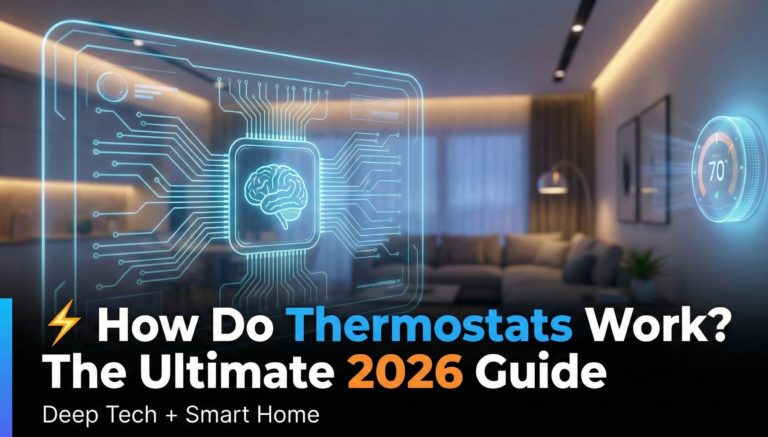
⚡ How Do Thermostats Work? The Ultimate 2026 Guide (Deep Tech + Smart Home)
The thermostat is the humble commander of your home’s comfort, yet its inner workings remain a mystery to millions. In this massively expanded 2026 edition, we demystify everything — from vintage bimetallic strips to AI-driven predictive thermostats that integrate with solar panels and battery storage. You’ll learn how thermostats work in houses, condos, zoned systems, and even RVs. We also cover how thermostats go bad, how to install them, how to wire a C-wire, and how to optimize settings for maximum energy savings. Whether you’re a DIY homeowner, an HVAC apprentice, or just curious about smart home tech, this guide fills every keyword gap.
🏠 2026 Quick Answers: Thermostat Mastery
- How they work (core): A thermostat compares room temperature to your setpoint. If it’s cooler, it signals heat; if warmer, it activates A/C. In 2026, smart models use occupancy sensors, outdoor weather data, and predictive algorithms.
- When thermostats go bad: Blank screens, failure to reach set temp, short cycling (on/off every 60 seconds), unresponsive touch, or erratic fan behavior. 40% of ‘broken’ units just need fresh batteries or a reset breaker.
- Radiator control today: Central thermostat commands the boiler. Meanwhile, smart TRVs (Tado, Netatmo, Honeywell) now integrate with Alexa, Google, and Apple Home via Matter — they learn when you leave a room and lower heat automatically, saving up to 25% on heating.
- 2026 innovation – VPP & grid services: Many smart thermostats (ecobee, Nest, Amazon) support virtual power plant (VPP) programs. Your utility can slightly adjust A/C during peak hours; you earn $30–$100 per year in rebates or bill credits.
- C-wire explained: The ‘common wire’ provides continuous 24V power to smart thermostats. No C-wire? Use an adapter, or choose Nest (power stealing) or Amazon Smart Thermostat (includes adapter).
- Heat pump compatibility: Most 2026 smart thermostats support heat pumps with auxiliary/emergency heat. Look for ‘heat pump certified’ and O/B terminal compatibility.
- Energy savings real numbers: EPA Energy Star estimates smart thermostats save an average of 8–15% on heating/cooling bills, roughly $50–$180/year depending on region and fuel type.
The Core Principle: How Do Thermostats Work? (Deep Physics & Firmware)
At its heart, every thermostat is a temperature-sensitive switch or relay. Its job: compare the current ambient temperature to your desired setpoint and toggle the HVAC equipment to eliminate the difference. But how thermostats achieve this has evolved dramatically — from purely mechanical to fuzzy logic AI. Let’s explore the physics, the firmware, and the 2026 edge.
🔧 The Old-School Method: Bimetallic Strips & Mercury (Historical, but still in some basements)
Older mechanical thermostats (pre-1980s) used a bimetallic strip — two dissimilar metals (steel + copper or brass + invar) bonded. Because metals expand at different rates when heated, the strip bends in a curve. A glass vial containing mercury would tilt, bridging electrical contacts. While accurate enough (±2°F), mercury thermostats are now banned in many states due to toxicity. They’ve been replaced by digital sensors. If you still have one, consider upgrading for safety and accuracy.
📟 The Modern Standard: Thermistors, RTDs, and Microcontrollers
Virtually all digital and smart thermostats (including the Nest Learning, ecobee Premium, and Amazon Smart Thermostat) use a thermistor — a solid-state resistor whose resistance varies predictably with temperature. A microcontroller reads this resistance thousands of times per second, converts it to a temperature reading via the Steinhart-Hart equation, and compares it to your setpoint. This method offers ±0.5°F accuracy, often better. Additionally, 2026 thermostats now include multi-sensor fusion: combining thermistor data with remote sensors, humidity, VOC sensors, and even radar-based presence detection (ecobee’s SmartSensor 2.0). Curious about the underlying sensor technology? Our deep-dive on how thermistors enable smart thermostats to sense temperature walks through the physics in detail.
🧠 2026 Edge: AI Predictive Warm-Up & Cool-Down
Modern smart thermostats don’t just react; they anticipate. Using machine learning models on-device (TensorFlow Lite), they learn your home’s thermal lag. For example, if you set 70°F at 7:00 AM, the thermostat might turn on the furnace at 6:37 AM to hit the target precisely. This avoids overshoot and saves energy. This is often called “adaptive recovery” or “smart staging.” Our explainer on what thermostat adaptive learning actually means demystifies the marketing claims that surround this feature.
🏡 In Practice: How Do Thermostats Work in Houses? (Complete 2026 Walkthrough)
Residential thermostats, whether battery-powered or C-wired, send low-voltage (24VAC) signals to the furnace, heat pump, or air handler. Here’s how they orchestrate your comfort with more nuance than ever — including zoning and dehumidification:
- Call for heat (gas/oil/propane): Closes the ‘W’ circuit → burner ignites, then blower fan kicks in after a short delay (fan delay to avoid cold drafts).
- Call for cool (central A/C): Closes ‘Y’ and ‘G’ circuits → compressor and fan run simultaneously. Modern thermostats enforce a 5-minute minimum off-time to protect the compressor.
- Heat pump systems (air source/geothermal): They manage auxiliary heat (W2/E) and reversing valve (O/B) for emergency or defrost cycles. In 2026, many support dual-fuel — automatically switching between heat pump and gas furnace based on outdoor temperature and fuel cost.
- Smart staging (2-stage equipment): 2026 thermostats use predictive algorithms to decide when to engage second-stage heating/cooling, optimizing comfort and humidity control.
- Humidity control: High-end thermostats (ecobee, Honeywell) can overcool slightly to dehumidify, or trigger a whole-home humidifier.
Advanced thermostats now also monitor system health: filter change reminders, duct static pressure alerts, and even refrigerant pressure anomalies (via connected sensors or listening to sound patterns). For a deeper structural understanding of these systems, our explainer on what a split HVAC system actually is covers the equipment your thermostat is controlling, and our piece on inverter technology in HVAC explains why modern systems can modulate output rather than simply switching on and off.
📚 Thermostat Terminology 2026 — Know Your Lingo
❄️ Special Case: How Do Thermostats Work with Radiators, Baseboards & Hydronic Systems?
This is a classic confusion zone — and a major keyword gap. In hydronic homes (radiators, baseboards, in-floor heating), two levels of control coexist, and in 2026 they are smarter than ever.
1. The Central Thermostat (Boiler or Zone Controller)
The wall thermostat measures overall house temperature (or zone temperature via remote sensors) and turns the boiler or zone valve on/off. When it calls for heat, the boiler circulates hot water through the main supply pipes. This is primary control. Newer boilers often use outdoor reset — the thermostat communicates outdoor temp to adjust water temp.
2. How Do Thermostatic Radiator Valves (TRVs) Work — 2026 smart edition?
Traditional TRVs contain a wax capsule that expands with heat, closing the valve locally. But the latest generation of eTRVs (electronic TRVs) use stepper motors, Zigbee/Matter/Thread communication, and long-life lithium batteries. They connect to your smart home hub, allowing:
- Individual room scheduling: Set bedroom to 64°F at night, living room to 70°F in the evening.
- Window open detection: Sudden temp drop = close valve instantly to save energy.
- Boiler integration via cloud: If all TRVs are satisfied, they signal the central thermostat to turn the boiler off — no more wasteful circulation.
📌 By combining a smart central thermostat (ecobee, Nest, or Honeywell) with Matter-compatible TRVs, you achieve true room-by-room climate control without expensive zoning dampers. This is the 2026 gold standard for radiator homes.
For homeowners specifically considering Tado’s smart radiator system, our hands-on review of Tado’s smart radiator thermostat with PID zoning and savings analysis walks through real-world performance. And our piece comparing Tado radiator valves vs. a single smart thermostat answers the fundamental question of which approach actually saves more money.
3. Electric Baseboard & Radiant Floor Considerations
If your home uses electric baseboard heaters or in-floor electric radiant, you’re dealing with line-voltage (120V or 240V) circuits — fundamentally different from the 24V low-voltage standard of central HVAC. Standard smart thermostats (Nest, ecobee, Honeywell) won’t work directly on these systems. Instead, you need a line-voltage smart thermostat like Mysa, Sinopé, or King. Our hands-on Mysa Smart Thermostat baseboard-heater review covers installation and performance, and the head-to-head Mysa vs. Sinopé electric baseboard thermostat comparison helps you choose between the two leading contenders. Confused about whether your system is line-voltage or low-voltage in the first place? The 2-minute wiring test for line-voltage vs. low-voltage thermostats resolves it conclusively.
For radiant floor systems specifically, control becomes more nuanced because of the long thermal response time. Our piece on the best thermostats for electric radiant floors with GFCI and line-voltage requirements covers what makes these systems unique, and the Tekmar 561 vs. 519 radiant floor control comparison handles the more advanced hydronic radiant scenarios.
⚠️ Troubleshooting: How Do Thermostats Go Bad? (Deep Diagnostic + 2026 Case Studies)
Even the most advanced electronics can fail. Here’s how thermostats go bad — and what you can check before calling an HVAC pro (average service call: $150–$250).
🚩 2026 Symptom Checker: Is Your Thermostat Dying?
- Totally dead / blank screen: No power — dead batteries, tripped breaker, or blown 24V fuse on furnace control board. Also check the C-wire connection at both ends.
- System runs constantly, ignoring setpoint: Stuck relay (mechanical) or welded contacts (often caused by power surges). Requires replacement.
- Short cycling (on/off in under 2 minutes): Could be a dirty thermistor, poor wiring, or incorrect heat anticipator settings in old models. Also check if thermostat is level (mercury switches).
- Wrong temperature reading (offset): If display says 72°F but room feels like 65°F, the thermistor may have drifted or the unit is mounted on a cold exterior wall or near a draft.
- Unresponsive touchscreen or Wi-Fi dropout: Capacitive failure or weak Wi-Fi signal; sometimes a full reset helps, but often the unit is end-of-life or needs a network extender.
- HVAC clicks but doesn’t start: Thermostat is sending signal, but equipment side has issue — or thermostat relay is failing.
🔋 Causes & Quick Fixes (DIY for 2026)
Before buying a new thermostat, run through this 2026 checklist:
- Batteries: Even hardwired thermostats often have battery backups. Replace with fresh lithium or alkalines.
- Circuit breaker & safety switch: Ensure the HVAC breaker is on; also check that the furnace door is securely closed (many have a safety interlock).
- Dust contamination: Open the thermostat and blow out dust with canned air — dust can insulate the thermistor or block humidity ports.
- Loose wires: Gently tighten terminals; a loose ‘R’ wire (power) or ‘C’ wire is a common culprit.
- Corroded contacts: In high-humidity areas, internal contacts can corrode; this usually means replacement is needed.
- Wi-Fi interference: If smart features fail, move router or use 2.4GHz band.
Pro tip: If your thermostat is over 15 years old, upgrading to a smart thermostat often pays for itself within 2 years via energy savings (up to 15% on heating/cooling bills). Many utilities also offer instant rebates ($25–$100) for buying Energy Star certified smart thermostats.
🔍 Specific Failure Mode Diagnostics
Beyond the general symptom checker, certain failure modes have specific causes and fixes that are worth understanding in depth. Mastering these can save you a service call.
The “Click But No Start” Problem
Your thermostat clicks audibly when calling for heat, but the furnace never fires. This is one of the most common HVAC service calls — and one of the most often misdiagnosed. The thermostat’s internal relay is working (hence the click), but something is preventing the 24V signal from reaching or activating the furnace. Our diagnostic walkthrough on when a thermostat clicks but HVAC won’t start (battery, breaker, and wiring causes) resolves this in under 10 minutes for most cases. The companion piece on why a thermostat doesn’t start the furnace covers the broader category.
Heat-On But No Heat
Thermostat shows “Heat On” but no warm air comes from the vents. The diagnostic flow here is to determine whether the thermostat is sending the 24V signal correctly (and the furnace is the problem), or whether the thermostat is showing the status without actually energizing the call. Our piece on “Heat On” but no heat: 24V signal vs. furnace problem walks through this step by step. If the fan runs but heating elements don’t engage, see our piece on furnace won’t turn on but fan works.
Random Reboots and Unstable Operation
Smart thermostats that randomly reboot or freeze are often experiencing voltage drops on the 24V supply, especially when high-load equipment like the AC compressor turns on. This is documented in our piece on thermostats rebooting when AC turns on due to voltage drop and transformer load. The fix is usually a more robust transformer or a C-wire installation that provides clean continuous power.
Display Goes Dim or Fades
A fading display almost always signals weak batteries or a failing internal voltage regulator. Our explainer on thermostat low-battery fading displays and relay-click failures covers the diagnostic steps to distinguish between a simple battery swap and a hardware failure requiring replacement. For Honeywell users specifically, see how to replace the battery in a Honeywell thermostat.
Wrong Room Temperature Display
If your thermostat reads 72°F but the room feels like 65°F, the issue is usually placement (direct sun, draft, near a heat source) rather than a faulty thermistor. Our deep-dive on why a thermostat shows the wrong room temperature walks through the variables. Calibration adjustments compensate for small offsets; for larger discrepancies, relocation is the right fix.
Thermostat Won’t Reach the Set Temperature
The system runs but the home never reaches the target temperature. This points to either undersized equipment, severe duct issues, or a calibration problem with the thermostat itself. Our systematic diagnostic flowchart for thermostat not reaching set temperature isolates the cause through a sequence of yes/no questions.
Switching Between Heat and Cool Unpredictably
The unit jumps from heating to cooling without obvious cause. This is usually an Auto mode misconfiguration combined with a tight differential setting — or, less commonly, a faulty internal sensor. The full diagnostic is in our piece on why your thermostat keeps switching from heat to cool.
AC Turns On When You Don’t Want It
The AC kicks on at unexpected times (cool mornings, mild evenings). Common causes: setpoint too low, Auto mode active when it shouldn’t be, or a sensor reading too high due to direct sun. Our piece on why a thermostat keeps turning on the AC walks through the variables.
10-Minute Diagnostic Checklist
For a fast systematic check before deciding whether you need a new thermostat, work through our 10-minute diagnostic checklist for a faulty thermostat. The companion piece on 12 symptoms, tests, and real fixes for a bad thermostat goes deeper on each individual symptom. And if you’re wondering more generally whether you actually need a new thermostat, we built a decision flowchart for that too.
Can a Bad Thermostat Cause Heating or Cooling Failure?
Short answer: yes, both directions. A failing thermostat can prevent heating, prevent cooling, or both. Our paired pieces on whether a bad thermostat can cause your heater not to work and whether a bad thermostat can cause AC not to cool walk through the diagnostic logic for each scenario.
🔌 Thermostat Wiring & C-Wire Explained (2026 Illustrated Guide)
One of the biggest obstacles to installing a smart thermostat is the C-wire (common wire). It provides continuous 24V power to the thermostat, ensuring Wi-Fi and display stay active. Here’s what you need to know:
- Do I have a C-wire? Turn off power, remove your thermostat faceplate. Look for a wire connected to terminal ‘C’, ‘B’, or ‘X’. If you see it, you’re set.
- No C-wire? Options: Use the included C-wire adapter (PEK) with Amazon Smart Thermostat; use a 24V plug-in transformer; or choose Nest (which uses power stealing, but may have issues with heat pumps).
- Color codes: Typically red (R power), white (W heat), yellow (Y cool), green (G fan), blue/black (C common). Not always consistent — always verify.
Most 2026 smart thermostats include a compatibility checker on their app or website. Use it before buying. For a comprehensive walk-through, see our complete thermostat wiring guide. If you’re unsure whether your existing furnace will accept a new thermostat, our complete 2026 furnace-thermostat compatibility guide resolves the question. And if you need to relocate the thermostat to a better spot in your home, our walkthrough on how to move thermostat wire with extension and splicing covers the procedure step by step.
Step-by-Step DIY Installation Walkthrough
Replacing a thermostat is one of the most accessible HVAC DIY projects. With basic tools and 30 minutes, most homeowners can complete the job successfully. Here’s the process from start to finish.
Step 1: Cut Power at the Breaker
Even though 24V is well below painful threshold, a short between R and C terminals can blow the 3-amp fuse on your furnace control board, leaving your system dead. Flip the breaker for your furnace and AC at the panel. Verify with a non-contact voltage tester at the existing thermostat. Don’t skip this step.
Step 2: Photograph the Existing Wiring
Before disconnecting anything, take three high-resolution photos of the existing wire terminations. Capture wire colors, terminal labels, and any jumper wires installed at the factory. This is your insurance against confusion. If something doesn’t work after install, those photos let you confirm exactly which wire was on which terminal originally.
Step 3: Label the Wires
Most thermostat boxes include small adhesive flags. Use them. Label each wire with the terminal letter it was connected to — not its color. Wire colors are unreliable; many homes have non-standard color schemes, especially after past repairs.
Step 4: Disconnect and Inspect
Loosen the terminal screws and pull each wire free. Inspect the wire ends — if they’re nicked, oxidized, or stripped too long, snip ¼ inch off and re-strip. Clean copper makes good contact; tarnished or damaged copper causes voltage drops that confuse smart thermostats.
Step 5: Mount the New Backplate
Most smart thermostats include a universal backplate that covers cosmetic damage from the previous unit. Level it carefully and mark the screw holes. Use the included drywall anchors if you don’t have studs behind. Pull the wires through the central opening before tightening the backplate.
Step 6: Connect the Wires
Connect each labeled wire to the matching terminal on the new thermostat. Tug gently on each wire to confirm it’s seated under the screw. A loose wire is the single most common cause of intermittent operation. If the new thermostat is “auto-detect” (most modern smart units are), it will identify connected wires during initial setup — but you still need them in the right terminals.
Step 7: Mount the Faceplate and Power On
Click the faceplate onto the backplate. Restore power at the breaker. Walk through the setup wizard — system type, equipment configuration, Wi-Fi connection (if applicable), schedule, and zip code. Test by manually calling for heat and cool to confirm the relay clicks and the system responds within 30 seconds.
Step 8: Configure and Calibrate
Set up your schedule (or let the AI learn it over the first week). Configure geofencing if you want away-mode automation. Verify the temperature reading against a known-accurate thermometer placed alongside; adjust the calibration offset by a few degrees if needed. Connect to your home assistant ecosystem if applicable.
If you encounter unexpected wiring scenarios, several specialized guides handle edge cases. For Honeywell HZ311 zone systems being replaced with ecobee, see our walkthrough on replacing Honeywell HZ311 zone thermostats with ecobee. For Lux Kono installations specifically, the Lux Kono Power Bridge installation wiring tips guide covers the unique aspects of that hardware. And if you’re upgrading and want to verify whether your existing house wiring even supports a smart thermostat, our piece on how to tell if your thermostat can be upgraded in your house covers the prerequisites.
🏆 Smart Thermostat Brand Comparison: Nest vs ecobee vs Honeywell vs Sensi vs Wyze
The smart thermostat market in 2026 has consolidated around five major brands, each with distinct strengths. Understanding which fits your situation saves both money and frustration.
| Brand | Strengths | Weaknesses | Best For |
|---|---|---|---|
| Google Nest | AI learning, beautiful UI, Thread border router, no C-wire (power stealing) | Heat pump issues without C-wire, polarizing aesthetics | Apple/Google Home users seeking minimal-intervention learning |
| ecobee Premium | Best multi-room sensor ecosystem, built-in Alexa, VOC/CO2 monitoring | Premium pricing, requires C-wire (or PEK adapter) | Multi-zone homes, users wanting full air-quality data |
| Honeywell T9/T10 | Best wireless sensor range, professional reliability | App is functional but dated, fewer integrations | Multi-story homes with stratification problems |
| Emerson Sensi | Best privacy policy, retrofit-friendly, can run battery-only | No remote sensor support on basic model | Renters, retrofits, privacy-conscious buyers |
| Wyze Thermostat | Best budget option (under $100), Wyze ecosystem integration | No HomeKit, slower customer support | Budget-conscious smart home builders |
For deeper head-to-head analysis, our Nest vs. Honeywell multi-stage HVAC comparison covers staging logic for premium systems, while the ecobee vs. Honeywell remote-sensor range and multi-zone comparison examines whole-home coverage. For HomeKit users specifically, our Honeywell Smart Color vs. Emerson Sensi Touch HomeKit comparison and HomeKit thermostat automation, geofencing, and scenes guide cover the Apple ecosystem in depth. The Nest auto-schedule vs. ecobee SmartSensors comfort comparison picks apart the philosophical differences in how these two market leaders approach automation.
Detailed Brand Profiles
Google Nest Family
The Nest Learning Thermostat (4th gen) introduced Soli radar presence sensing in 2024 and now serves as the flagship for Google’s HVAC presence. The lineup includes the Nest Thermostat (budget), Nest Learning (premium), and the new Nest 4th gen with Matter support. Our Nest 4th gen Soli radar, Matter, and mirror display analysis covers what’s actually new. For Apple users wanting Nest in HomeKit, see our walkthrough on how to add your Nest thermostat to Apple Home. And for a deep technical look at how Nest power-stealing works (and when it fails), our Nest Learning Thermostat power stealing and C-wire fixes guide is essential reading.
ecobee Family
ecobee’s lineup has converged around the Premium and Enhanced (formerly the 3 Lite). Our ecobee Premium vs. Enhanced comparison walks through which features actually matter for which buyers. For deeper feature-specific analyses, see our ecobee Premium air quality VOC and CO2 monitoring review and ecobee Premium radar sensor occupancy vs. PIR comparison. For users without a C-wire, the ecobee3 Lite PEK C-wire installation review and ecobee3 Lite Eco+ Time-of-Use savings analysis cover the realistic financial picture. The ecobee3 Lite vs. Nest temperature sensor occupancy comparison handles the head-to-head decision.
Honeywell Family
Honeywell’s T-series (T5, T6, T9, T10) covers the full price spectrum. Our Honeywell Home T9 review and Honeywell T5 geofencing accuracy guide cover the consumer lineup, while the Honeywell Home T9 vs. T10 Pro comparison and T9 vs. T10 Pro IAQ wiring guide compare the consumer and professional tiers. For Honeywell longevity data — the brand often ages remarkably well — see our piece on how long Honeywell thermostats last. Need to reset one? Our walkthroughs on how to reset a Honeywell thermostat and how to reset a Honeywell thermostat with no reset button cover the various model-specific procedures, and how to adjust a Honeywell thermostat covers the daily-use interface.
Emerson Sensi Family
Sensi’s strength is retrofit-friendliness. Our hands-on Sensi Touch review focused on illuminated terminals and C-wire stability covers the unique features. For users experiencing connectivity issues, see the “Sensi Connected, Not Sensi Cloud” fix and the broader Sensi reset failed diagnostic guide. The Sensi vs. ecobee C-wire and PEK installation comparison and Nest vs. Sensi power-stealing vs. battery-backup comparison cover the head-to-head decisions.
Wyze and Budget Options
The Wyze Thermostat consistently delivers smart-thermostat features at the lowest price point in the category. Our Wyze Thermostat review focused on C-wire adapter performance covers what you get for the money. The Wyze vs. ecobee multi-story home comparison and Wyze vs. Govee budget thermostat for hot/cold rooms comparison handle the budget-tier decisions. For more options at the entry level, our roundup of smart thermostats under $50 with Alexa and C-wire options covers the complete budget landscape.
Amazon Smart Thermostat
Amazon’s entry into thermostat hardware has been surprisingly successful, particularly for Alexa-centric households. Our Amazon Smart Thermostat review focused on C-wire adapter installation covers the basics, while the Amazon Smart Thermostat vs. ecobee Premium C-wire adapter comparison handles the head-to-head decision against the premium tier. For users curious about how Alexa Hunches affects HVAC behavior, see Nest Learning vs. Amazon Alexa Hunches explained.
Lux, Mysa, and Specialty Brands
Beyond the major five, several specialty brands serve specific niches. Lux makes excellent budget programmables; our Lux TX9600TS vs. Orbit Clear Comfort energy savings comparison covers the best non-smart options. Mysa specializes in line-voltage thermostats for electric heat; our Mysa v2 review focused on triac switching vs. relay noise covers the latest hardware revision. For heat pump enthusiasts, our guide to the best Bosch heat pump thermostats with multi-zone support is the right starting point, and the Bosch inverter heat pump SEER2 and HSPF2 explained deep-dive helps you understand the equipment compatibility math.
🌍 Geofencing: How Smart Thermostats Track Your Location
Geofencing is one of the most-marketed and least-understood features in smart thermostats. The basic idea: your phone’s GPS tells the thermostat when you’ve left home (so it switches to “away” mode and saves energy) and when you’re returning (so it pre-heats or pre-cools to be comfortable when you arrive).
How Geofencing Actually Works
The thermostat doesn’t track your location directly — your phone does. The smart thermostat app on your phone monitors your location in the background, comparing it to a virtual perimeter (the “geofence”) around your home. When you cross the perimeter, the app sends a signal to the cloud server, which sends a command to your thermostat to switch modes. The radius of the geofence is configurable — typically 200 meters to 7 miles depending on your preferences.
Real-World Energy Savings
Properly configured geofencing can cut HVAC runtime by 15–25% in homes where occupants leave for predictable periods (work, school). The savings come from not heating or cooling an empty house. For users in irregular schedules, the savings are smaller because there’s no consistent “away” period to optimize. Our deep-dive on how smart thermostat geofencing cuts HVAC runtime costs covers the real-world numbers, and our follow-up on smart thermostat geofencing’s effect on HVAC runtime looks at the runtime data specifically.
Configuring the Geofence Radius
The radius matters. Too small, and the thermostat starts pre-warming too late, leaving you cold when you arrive. Too large, and it triggers when you’re just walking the dog around the block, wasting energy on false starts. Our guide on geofencing thermostat GPS radius and HVAC eco-mode covers the optimization approach. For a higher-level conceptual primer, our explainer on what the home/away feature on a thermostat actually is sets the foundation.
The Bigger Picture: Energy Savings Beyond Geofencing
Geofencing is one of multiple energy-saving features. Our roundup of smart thermostat energy savings via geofencing covers the broader ecosystem of savings technologies. The deeper analysis in our thermodynamic ROI metrics and Nest geofencing protocols piece covers the math. And to calculate your own personal payback, our Wi-Fi thermostat ROI payback calculator gives concrete numbers.
💰 The Real Math: Smart Thermostat Energy Savings & ROI
Smart thermostat manufacturers love to advertise impressive savings figures. Independent studies tell a more nuanced story. Here’s what to actually expect.
Where the Savings Come From
- Setpoint setbacks (largest contributor): Programming your thermostat to drop temperatures at night or when you’re away saves the bulk of HVAC runtime. The principles are well-established in our pieces on winter thermostat schedules around 68°F and the science of 65°F sleep temperature.
- Geofencing: Eliminating heating/cooling of empty houses (covered above).
- Adaptive learning: Pre-conditioning the home to hit setpoints just-in-time, avoiding overshoot.
- Home maintenance alerts: Catching dirty filters and equipment problems early prevents efficiency loss.
- Time-of-Use rate optimization: Shifting cooling load to off-peak hours where electricity is cheaper.
Realistic Savings Numbers
Independent studies (LBNL, EPA Energy Star field trials) consistently show 8–15% savings for households that previously used a static setpoint, and as little as 0–3% for households that already manually adjusted setpoints diligently. The savings come from automation removing human forgetfulness, not from the thermostat being cleverer than you. For households spending $1,500/year on heating and cooling, a 12% reduction is $180/year — paying back a $200 smart thermostat in just over a year.
Smart vs. Programmable: Which Saves More?
This is a more nuanced question than the marketing suggests. A diligently-programmed traditional thermostat can match smart thermostat savings; the smart thermostat wins because most people don’t actually program theirs. Our comparison of smart vs. programmable thermostats and AI-learning vs. schedule efficiency looks at which actually wins on energy savings. The explainer on schedule-vs-learning approaches covers the philosophical differences.
2026 Rebates and Utility Incentives
Many U.S. utilities offer rebates of $50–$150 for ENERGY STAR-certified smart thermostats, and a handful offer ongoing bill credits ($25–$50/year) for participating in demand-response programs. These can shrink payback dramatically. The full breakdown is in our 2026 smart thermostat rebates ultimate guide and savings calculator. For broader HVAC efficiency strategies that compound with smart thermostats, see our HVAC energy efficiency tips guide.
🔋 Battery-Powered Smart Thermostats: When Wires Aren’t an Option
Not every house has a C-wire. Renters can’t always run new wiring. Some installations are just too awkward to retrofit. For these scenarios, battery-powered smart thermostats have become genuinely viable in 2026, with Wi-Fi, Thread, and Z-Wave variants all offering acceptable battery life.
Our complete primer on what a battery-powered smart thermostat actually is covers the basics, while our roundup of 2026 battery-powered smart thermostats with Wi-Fi, Thread, and Z-Wave covers the latest hardware. The piece on thermostat battery failure and relay no-start scenarios covers the most common failure mode for battery thermostats. For broader battery troubleshooting that applies to any thermostat with battery backup, see why a thermostat isn’t charging.
Connectivity Standards Compared
Battery life varies enormously by radio protocol:
- Wi-Fi: 3–6 months of battery life. Most power-hungry but most universally compatible.
- Z-Wave / Zigbee: 12–18 months. Requires a hub but uses fraction of the power.
- Thread / Matter: 12+ months. The 2026 standard. Requires a Thread Border Router (Apple TV, newer Echo, Nest Hub).
For a complete primer on how these protocols actually move data, see our explainer on how smart thermostat connectivity works.
🏘️ Heat Pump and Multi-Stage HVAC Considerations
Heat pumps have specific control requirements that not every smart thermostat handles correctly. The reversing valve (O or B wire), auxiliary heat (W2/AUX), and emergency heat (E) introduce control logic that single-stage gas furnaces don’t have.
Heat Pump Specifics
A heat pump’s reversing valve switches the refrigerant flow direction to alternate between heating and cooling modes. The thermostat must energize the O wire (Carrier, most American manufacturers) or the B wire (Rheem, Ruud) at the right times. Wiring it wrong reverses your heating and cooling — you’ll get cold air when you want heat. Verify your system’s reversing-valve type before installation.
Auxiliary and Emergency Heat
Below about 35°F outdoor temperature, most air-source heat pumps lose efficiency. Auxiliary heat (electric resistance or gas furnace, controlled by the AUX wire) supplements the heat pump in these conditions. Emergency heat (E wire) bypasses the heat pump entirely. A thermostat compatible with heat pumps must handle both modes; many budget units omit emergency heat support entirely.
Variable-Speed Inverter Heat Pumps
The newest heat pumps use inverter-driven variable-speed compressors that modulate output continuously. These extract maximum efficiency but require thermostats that communicate over proprietary protocols (Carrier ABCD, Trane ComfortLink). Our piece on Trane vs. Carrier spine fin coil vs. Greenspeed explained covers the modern inverter HVAC landscape. If you’re choosing between heat pump systems, our complete 2026 HVAC system replacement cost guide walks through the budget realities, and the furnace replacement cost guide handles the gas-furnace scenarios.
🏠 Special Scenarios: Landlords, Vacation Homes, and Edge Cases
Landlord-Friendly Thermostats
If you’re renting out furnished units or providing utilities, you don’t want tenants cranking the heat to 80°F all winter on your dime. Several thermostats offer PIN-protected setpoint limits — the tenant can adjust within a range you set (say, 65–75°F) but can’t override the bounds without the PIN. Our roundup of landlord thermostat lockouts with PIN and range limits covers the leaders, and for budget-friendly models with keypad locks, see our programmable thermostats with keypad lock comparison.
Vacation Homes and Pipe-Freeze Protection
Properties left unoccupied for weeks or months need thermostat strategies that prevent pipe freezing without wasting energy heating an empty home. Our guide on winter vacation thermostat settings to prevent pipe freeze walks through the specific setpoints and remote-monitoring approaches that work.
Multi-Zone Homes
Multi-story homes face stratification problems — the upstairs being 8°F warmer than the downstairs is a classic complaint. Solving this requires either a multi-zone HVAC system (with separate thermostats per zone) or a single thermostat with multiple wireless room sensors that average readings. The Honeywell T9, ecobee Premium, and Nest with Temperature Sensors all offer this approach.
🛡️ Privacy, Security, and Smart Home Safety
A connected thermostat collects extraordinary amounts of data about your daily life: when you’re home, when you sleep, when you travel, even when guests visit. Different brands handle this data very differently.
Privacy Hierarchy
- Best privacy: Emerson Sensi (explicit no-data-mining policy)
- Good privacy: Apple HomeKit-only thermostats (data stays on home network)
- Mixed: ecobee (aggregates and sells anonymized data; opt-out exists)
- Concerning: Some no-name budget brands grant broad rights to share data with “partners”
Security Best Practices
- Put IoT devices on a guest or VLAN network separate from your computers.
- Use strong, unique passwords for the thermostat’s cloud account.
- Enable two-factor authentication if available.
- Apply firmware updates promptly.
- If you sell your home, factory-reset the thermostat. Our general thermostat reset guide covers the universal procedure.
Smart Thermostats and Home Safety
Beyond comfort, smart thermostats contribute to home safety in subtle ways. They alert you to extreme temperature drops (frozen pipes), abnormal HVAC runtime (equipment failure), and unusual patterns (unauthorized entry). Our piece on how a smart thermostat improves home safety covers the safety dimension in depth.
🏆 Top Smart Thermostat Recommendations for 2026 (Amazon Best Sellers — Updated Reviews)
Energy Star estimates that a certified smart thermostat saves an average of $50–$150/year. Here are the top three models trusted by homeowners in 2026 — same trusted links, updated 2026 insights, no URL changes.

Google Nest Learning Thermostat 2026 v4.2
The iconic thermostat that programs itself. After one week of manual adjustments, it creates a personalized schedule. In 2026, it now supports Matter over Thread, works as a Thread border router, and includes seasonal energy reminders, airwave (uses fan to spread cool air after compressor stops). Compatible with 95% of 24V systems. Optional C-wire or power-stealing.
See Latest Price →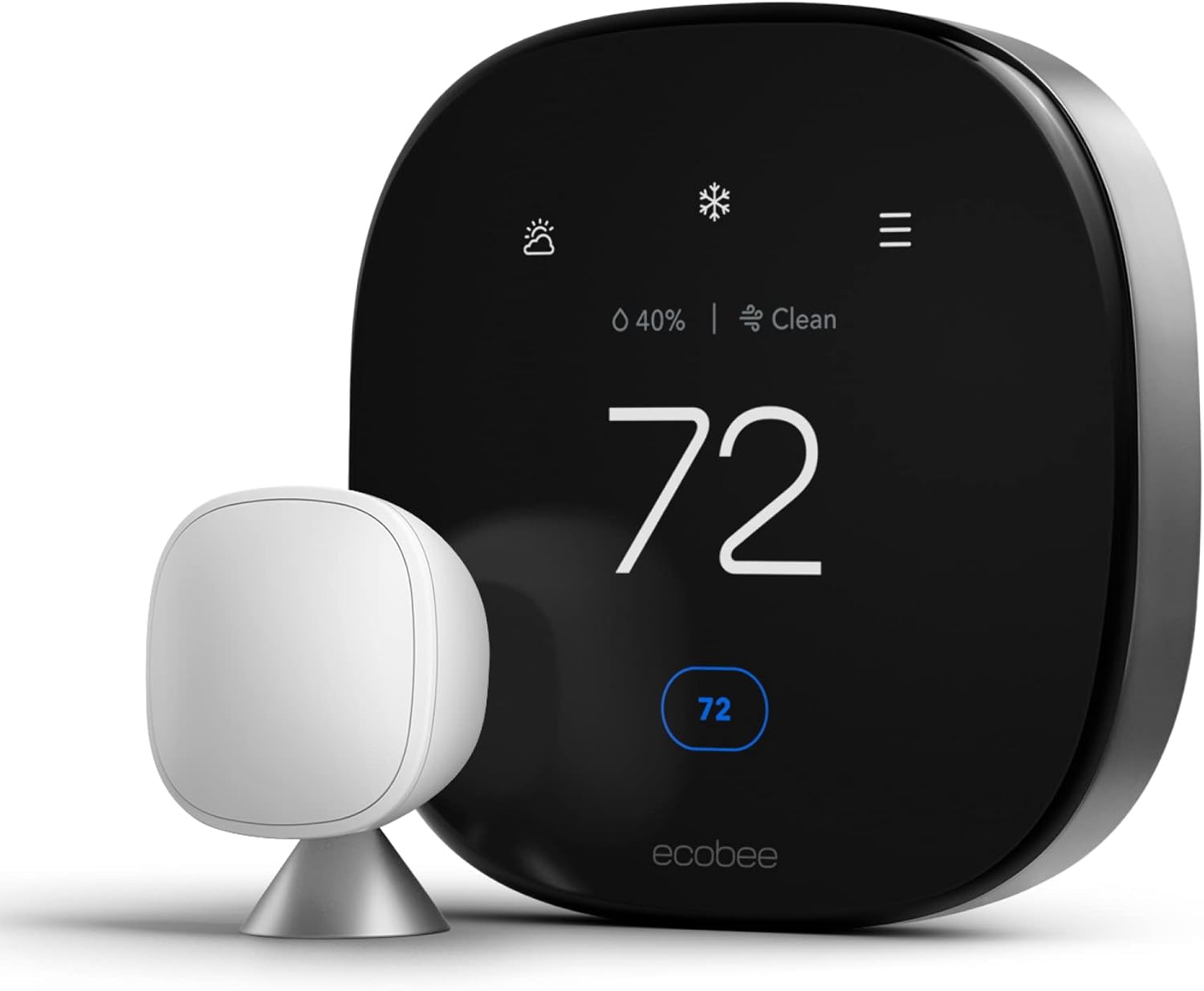
ecobee Smart Thermostat Premium Best Sensors
Now with SmartSensor 2.0 (radar occupancy + air quality monitor). Built-in Alexa, but also works with Siri and Google. The included remote sensor eliminates hot/cold spots. Supports energy-saving demand response programs nationwide (VPP). Ideal for multi-level homes. Also includes built-in air quality monitor (VOC, CO2).
Check Price →
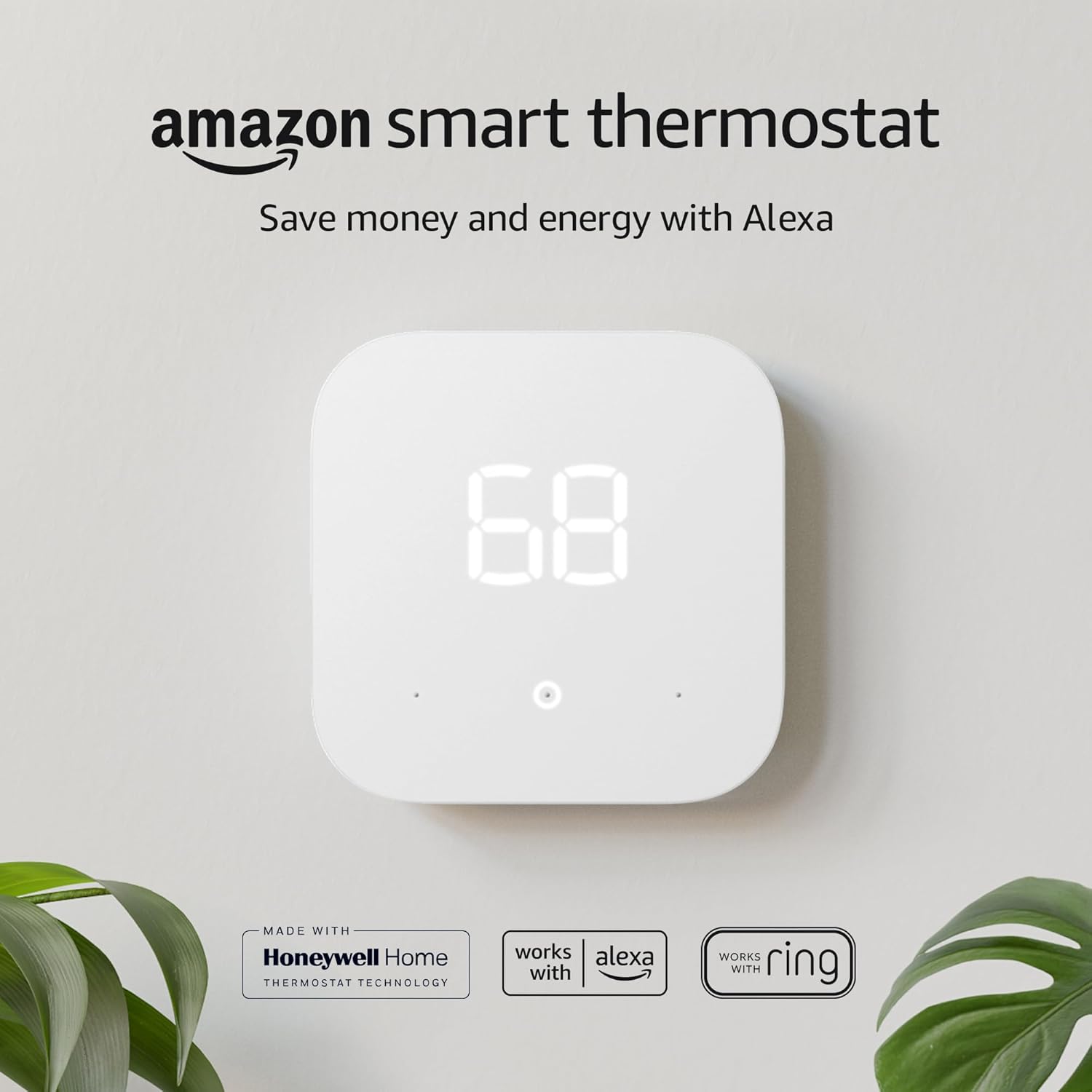
Amazon Smart Thermostat Best Value + Energy Star
Energy Star certified and incredibly wallet-friendly. Now with 2026 firmware update: adaptive recovery, humidity control, and Alexa Hunches for HVAC (alerts if you forgot to set mode). Requires C-wire (or included adapter kit). Simple setup, huge savings — perfect for budget-smart homes and rentals.
Check Price →🌎 UK and European Market: Hive, Tado, and Drayton Wiser
The European smart thermostat market evolved differently from the American market because most European homes use combi boilers and radiator-based heating rather than central forced air. Several brands dominate this space.
Hive Active Heating
British Gas–owned Hive offers tight integration with British Gas service plans and a polished app experience. Our Hive Active Heating v3 installation and compatibility checklist walks through what to check before buying. The financial picture is covered in our Hive vs. dumb thermostat real savings analysis.
Tado
Tado has been a European leader in smart radiator valves and OpenTherm-compatible thermostats. The Hive vs. Tado geofencing and automation features comparison covers the head-to-head decision against Hive, and the broader Nest vs. Hive vs. Tado on OpenTherm vs. geofencing comparison handles the three-way trade-off.
Drayton Wiser and Honeywell evohome
For users wanting room-by-room zoning across many rooms, Drayton Wiser and Honeywell evohome are the go-to systems. Our Drayton Wiser review covering backplate installation and DIY zoning walks through the system, and our Honeywell evohome review covering local zoning across 12 zones covers the more sophisticated competitor. For boiler-specific compatibility (combi vs system), our UK smart thermostat ranking 2026 combi vs. system boiler covers what works with what.
Pairing Specific Boilers
Some boiler/thermostat combinations require specific pairing procedures. For Ideal Halo users, our step-by-step Ideal Halo thermostat pairing guide covers the procedure.
🏗️ When to Call a Pro vs. DIY
Most thermostat projects are genuinely DIY-friendly. A few aren’t. Knowing when to call an HVAC pro saves money, prevents safety problems, and avoids damaged equipment.
DIY-Appropriate Projects
- Replacing one thermostat with a similar one (same wiring scheme)
- Upgrading from manual to programmable
- Upgrading from programmable to smart (with C-wire already present)
- Battery replacement and routine cleaning
- Configuration and schedule changes
Call a Pro
- Running new C-wire from the furnace to the thermostat (requires getting into walls)
- Switching from gas to heat pump (requires complete control system reconfiguration)
- Adding zoning to a system that didn’t have it
- Installing line-voltage thermostats if you’re not comfortable with high-voltage AC
- Diagnosing equipment problems where the thermostat isn’t actually the issue
- AC unit installation or replacement (covered in our AC unit installation cost guide)
🌡️ Beyond the Thermostat: Companion Topics
Whole-House Humidity
Many smart thermostats integrate with whole-house humidifiers and dehumidifiers, controlling moisture along with temperature. Our 2026 best whole-house humidifier guide covers the equipment side of this integration.
Aesthetics and Decor
If your new smart thermostat is a focal point on your wall, decorating around it matters. Our 25 thermostat cover ideas guide handles the cosmetic challenge, and our piece on the best wall color behind your thermostat covers the paint dimension. For installation cleanup, see how to hide thermostat wires on your wall.
Reading and Operating Your Thermostat
For new smart-home owners, basic operation can feel daunting. Our explainer on how to read a thermostat covers the display interfaces, while how heating and cooling thermostats differ handles the unit-type questions. If your home feels uncomfortable despite the thermostat reading correctly, our piece on always feeling cold at home — it might not be your thermostat covers the troubleshooting decision tree. Other foundational explainers: what a thermostat remote sensor is and key features to compare when buying a smart thermostat.
🔧 Specialty Applications: Thermostats Beyond the Home
Greenhouse Heating Control
Greenhouses use thermostatically-controlled heaters to protect plants from cold. The control logic is similar to home HVAC but with different setpoint priorities (frost protection rather than comfort). For sizing the heater itself, our greenhouse heater sizing by BTU, watts, and heat load guide handles the calculation, and the best greenhouse heaters for power outages with ODS roundup covers backup options.
Thermostatic Showers
Thermostatic mixing valves in showers serve a fundamentally different purpose than HVAC thermostats — they prevent scalding by quickly adjusting hot/cold water mix when a toilet flushes or another fixture is used. For installation, our thermostatic shower calibration guide for the 120°F stop ring covers the safety adjustment, and our budget thermostatic shower kits guide covers the hardware options.
Car Engine Thermostats
Automotive engines use a different kind of thermostat — a wax-pellet valve that opens at a specific temperature to allow coolant flow. Symptoms of failure are very different from HVAC thermostat failure. Our pieces on how to tell if a car thermostat is bad, stuck-open vs. stuck-closed thermostat symptoms, and the wax-pellet valve explained cover the automotive side of the family.
🛠️ Maintenance Schedule: Making Your Thermostat Last 15 Years
A quality thermostat can easily last 15 years with proper care. Most fail at the 5-8 year mark from preventable causes. Here’s the maintenance routine that extends life dramatically.
Quarterly Tasks
- Visual inspection of battery contacts. Look for blue/white corrosion. Clean with white vinegar on a cotton swab if found.
- Calibration check. Place a known-accurate thermometer next to the thermostat. After 30 minutes, compare readings. Drift of more than 2°F warrants recalibration via the menu.
- Dust the vents. Most thermostats have small vents on the bottom for the temperature sensor. Dust accumulation insulates the sensor and causes lag. Use canned air to blow it out.
- Check Wi-Fi signal strength. Smart thermostats with weak signals develop intermittent failures. Verify your thermostat shows good signal in its app.
Annual Tasks
- Replace batteries proactively at 12 months for Wi-Fi units, 18 months for non-connected units.
- Update firmware via the manufacturer app for connected units.
- Verify schedule still matches your life. Schedules drift out of relevance as kids grow, jobs change, work-from-home patterns shift.
- Test heat and cool function in spring and fall before you need it. Discovering a fault on the first cold night is the worst time to find a problem.
- Audit energy reports if your thermostat provides them. Unusual runtime patterns can indicate developing equipment problems before they become emergencies.
Lifecycle Replacement Indicators
Beyond the obvious failures, some signs indicate it’s time to replace even a still-working thermostat:
- Backlight is permanently dim or won’t light at all
- Temperature reading drifts more than ±3°F from accurate after recalibration
- Frequent connection drops despite strong Wi-Fi at the thermostat location
- Schedule loss after every battery change (internal coin cell dead)
- Manufacturer no longer supports firmware updates
- App functionality has been deprecated by the manufacturer
🌎 Climate-Zone Considerations
Where you live changes the optimal thermostat strategy in subtle but meaningful ways. The same brand and model can be perfect in one zone and overkill in another. Climate-zone matching is one of the most overlooked variables in thermostat selection, but it directly determines which features actually pay back and which are pure waste.
Cold Climates (Zones 5-7: Northern Tier)
Heat pump support and dual-fuel logic become critical. Auxiliary heat configuration matters enormously when outdoor temperatures regularly drop below 25°F. Adaptive recovery is genuinely useful — pre-warming a cold house takes serious time, so the thermostat needs to start the furnace 30+ minutes before your wake time. Reliability also matters more here; a thermostat failure on a -10°F night is a pipe-freeze emergency. Look for models with battery backup and consider a manual override for true emergencies.
Cold-climate users should also pay particular attention to outdoor reset features for boiler systems. Modern condensing boilers achieve dramatically higher efficiency when supply water temperature is matched to outdoor conditions. A thermostat that communicates outdoor temperature to the boiler enables this efficiency gain — sometimes worth 10-15% on annual heating costs in cold climates. OpenTherm-compatible thermostats handle this elegantly; older relay-based controls can’t.
Hot-Humid Climates (Zones 1-3: Gulf Coast, Southeast)
Cooling is the primary cost driver. Humidity control becomes critical because dehumidification is half the comfort equation in humid climates. Look for thermostats with humidity sensors and the ability to overcool slightly to dehumidify. Geofencing is high-value here because shutting off cooling when the house is empty saves substantially. Air-quality monitoring (VOC, CO2) becomes more relevant because high humidity environments have more mold and bacterial growth.
An often-overlooked feature for humid climates: variable-speed fan control. Running the fan continuously at low speed (when the compressor isn’t running) keeps air moving and helps avoid the “clammy” feeling that high humidity creates. Smart thermostats that schedule this fan circulation pattern automatically deliver real comfort improvements that most users don’t realize are available.
Hot-Dry Climates (Zones 2-3: Desert Southwest)
The day-night temperature swing is enormous (often 30°F+). Schedule-based control with deep nighttime setbacks works wonderfully here. Some buyers in this zone install whole-house fans that work alongside their HVAC; smart thermostats that integrate with these are valuable. Heat pump efficiency is excellent in this zone because the system rarely needs auxiliary heat.
Time-of-Use electricity rates are increasingly common in hot-dry markets (especially Arizona and California), and the savings opportunity is significant. A smart thermostat that pre-cools the house in the morning hours when electricity is cheap, then coasts through the expensive afternoon peak by drawing from accumulated thermal mass, can cut summer electric bills 15-25%. Look specifically for models with TOU rate scheduling — ecobee’s Eco+ feature is the current leader in this category.
Mild Climates (Zones 3-4: Coastal California, Pacific Northwest)
Heating demand is moderate; cooling demand is minimal. The classic budget approach (programmable thermostat, careful manual setpoints) often makes financial sense here because the absolute savings from a smart thermostat are small. That said, the convenience and remote-monitoring benefits remain real for any household that travels.
Mild-climate users often have the most flexibility in thermostat selection because the consequences of any failure are smaller — no pipes freeze, no heat-stroke risk. This is a good zone to experiment with budget brands or DIY installations without the high stakes other climates impose.
🌡️ Smart Thermostats and HVAC System Health
Beyond comfort and energy savings, modern smart thermostats serve as health monitors for your HVAC equipment. They detect early warning signs of problems before equipment fails, often saving thousands in emergency repairs.
What They Monitor
- Cycle frequency: Unusually short or long cycles indicate developing equipment problems.
- Recovery time: If it takes longer than usual to reach setpoint, equipment efficiency may be declining.
- Filter status: Most smart thermostats track usage hours and remind you when filter changes are due.
- Temperature accuracy: Detection of unexpected drift can indicate sensor or system issues.
- Compressor protection: Smart thermostats enforce minimum off-times that prevent compressor damage during rapid cycling.
Predictive Maintenance Alerts
Premium smart thermostats now use machine learning models to detect patterns that precede failures. If your AC takes 8% longer to cool the house than it did last summer, the thermostat may flag a refrigerant or efficiency issue before it becomes a no-cool emergency. Sensi’s HomeOwner Insights, ecobee’s HomeIQ, and Nest’s seasonal reports all provide variations of this analysis.
The Whole-House Picture
Smart thermostats increasingly integrate with whole-house systems including air quality monitors, leak detectors, and smoke/CO alarms. The thermostat becomes a hub that can shut down HVAC airflow if smoke is detected (preventing spread) or run aggressive ventilation if VOC levels spike. This integration is the natural evolution of the device from “temperature controller” to “home environment manager.”
🏘️ Smart Home Ecosystem Integration: Choosing the Right Thermostat for Your Setup
A thermostat that works perfectly with Alexa might be useless to a HomeKit household. Ecosystem compatibility is one of the most important variables, and one that doesn’t appear in most spec sheets.
Apple HomeKit Households
For Apple users wanting Siri voice control, Apple Home app integration, and HomeKit scenes, options have expanded significantly in 2026 thanks to Matter. The traditional HomeKit-native options remain ecobee (full HomeKit support since 2017) and Honeywell (T9 and T10 Pro both support HomeKit). Sensi Touch supports HomeKit but typically requires a C-wire for full responsiveness. Our roundup of HomeKit thermostat automation, geofencing, and scenes covers what’s actually possible in the Apple ecosystem.
The 2026 Matter standard means many previously non-HomeKit thermostats now work with Apple Home via Matter bridges. Nest is the most prominent example — historically Google-only, the 4th gen Nest now appears in Apple Home thanks to Matter support. This expansion is one of the most important developments in smart thermostats in years.
Amazon Alexa Households
Nearly every smart thermostat supports Alexa to some degree. The depth of integration varies. ecobee has Alexa built directly into the device (you can speak to your thermostat as if it’s an Echo). Amazon’s own Smart Thermostat naturally has the deepest Alexa integration including Hunches (Alexa suggests setpoint adjustments based on observed patterns). Nest, Honeywell, and Sensi all work with Alexa but as voice-controlled devices rather than embedded Echo functionality.
Google Home Households
Google Home users have many options. Nest (owned by Google) integrates natively with the deepest functionality. ecobee, Honeywell, and Sensi all work via Google Assistant routines. The 2026 Matter standard has improved cross-compatibility significantly — many actions that previously required brand-specific apps now work directly through Google Home.
Home Assistant and Power Users
For self-hosted home automation enthusiasts running Home Assistant, Hubitat, or SmartThings, ecosystem priorities flip. You want devices with strong local control (don’t depend on cloud), open APIs, and good community-developed integrations. Z-Wave and Zigbee thermostats often outperform Wi-Fi thermostats in this scenario because they communicate locally to your hub rather than going through cloud servers. Battery-powered Z-Wave thermostats from brands like Honeywell and 2GIG remain popular in this category despite their less-polished consumer apps.
Multi-Brand Households (The Reality)
Most homes end up with multiple smart-home brands over time. Matter is the answer to this fragmentation, and 2026 is the year it actually became viable. A 2026 Matter-capable thermostat works in Apple Home, Google Home, Amazon Alexa, and SmartThings simultaneously without separate apps for each. The simplification is dramatic for households that previously juggled three different apps for HVAC, lighting, and security.
📊 Mini-Split and Ductless System Considerations
Ductless mini-split heat pumps have become increasingly common in 2026, both as primary HVAC in newer homes and as supplemental heating/cooling for additions and converted spaces. They present unique thermostat challenges that don’t apply to traditional ducted central systems.
OEM Wall Controllers vs. Smart Thermostats
Most mini-splits ship with proprietary wall controllers that talk to the indoor head unit via infrared or proprietary wireless. These work fine but rarely integrate with smart-home ecosystems out of the box. Several aftermarket options exist:
- Sensibo, Cielo, Ambi: Smart IR controllers that mimic the original remote and add cloud control. Easy retrofit; works with most major mini-split brands.
- Mitsubishi Kumo Cloud, LG ThinQ, Daikin Onecta: Manufacturer-specific cloud apps. Native integration but limited to that brand.
- Wired control modules: Some brands (notably Mitsubishi) offer wired interface modules that bridge to home automation systems. More expensive but more reliable than IR.
The Geothermal Distinction
Geothermal heat pump systems use a similar 24V control scheme to air-source heat pumps but with longer cycle times and different defrost logic. Most major smart thermostats handle geothermal correctly when properly configured, but verify with your installer that your specific brand of geothermal equipment is compatible with the thermostat you’re considering.
👶 Family-Friendly Smart Thermostat Features
Households with kids face thermostat challenges that don’t apply to single-adult homes. From toddlers who change setpoints to teens who crank the AC, family-friendly features become genuinely useful.
Setpoint Locking and Child Locks
Most smart thermostats include some form of setpoint lock that prevents unauthorized changes without a PIN. ecobee, Honeywell, and Nest all offer this with varying flexibility. Some allow ranged limits (tenant can adjust within a window) rather than absolute lockout — useful for letting older kids manage their own room sensors while preventing extremes. Our roundup of landlord thermostat lockouts with PIN and range limits covers the leaders.
Multi-Person Geofencing
The classic geofencing problem: it works perfectly for a single person but breaks down for families. If you leave the house at 8 AM and your spouse leaves at 9 AM, a single-phone geofence might trigger Eco mode at 8 AM with someone still home. Modern smart thermostats support multi-user geofencing where the system stays in Home mode until everyone has left and switches to Away only when the last person crosses the geofence. ecobee and Nest both support this; budget thermostats often don’t.
Sleep-Specific Profiles
Many families benefit from drastically different night and day setpoints — particularly for kids’ bedrooms which are typically warmer than the rest of the house but should be cooler at night for better sleep. Multi-zone thermostats with bedroom-specific schedules excel here. Single-zone thermostats can approximate this with whole-house schedules but lose the room-specific optimization.
❓ Frequently Asked Questions (FAQ) — 2026 Mega Edition
Where is the best place to install a thermostat in 2026?
Same golden rule: interior wall, 5 ft from floor, away from direct sun, drafts, or kitchen heat. However, if you have a smart thermostat with remote room sensors, you can place the main unit in a hallway and rely on sensors in living areas. Avoid placing near large electronics (TVs, servers) as they emit heat and skew readings.
Can a bad thermostat cause a high energy bill?
Absolutely. A thermostat with a stuck relay or incorrect calibration can cause your HVAC to run 24/7 (“ghost calling” or “constant run”). Smart thermostats often include usage reports that highlight unusual runtime — if you see 12+ hours of heating on a mild 50°F day, your thermostat may be faulty. Upgrading can cut bills by 10-20%.
How often should you replace a thermostat? (2026 advice)
Electronically, thermostats can last 15–20 years. But functionally, if yours lacks Wi-Fi, geofencing, adaptive recovery, or energy reports, you’re leaving money on the table. We recommend upgrading every 7–9 years to leverage new efficiency standards, Matter compatibility, and smart grid integrations (e.g., time-of-use rates, VPP).
What’s the difference between a ‘smart’ and a ‘programmable’ thermostat?
Programmable thermostats let you set fixed schedules (e.g., 70°F at 7am, 62°F at 10am). Smart thermostats learn from your habits, adjust based on occupancy (geofencing), and can be controlled remotely via app. They also send maintenance alerts, track energy usage, and integrate with home assistants. In 2026, smart models outsell programmable 10:1.
Do thermostats work with baseboard electric heat?
Yes — but line-voltage thermostats (120V or 240V) are required for electric baseboards. Most smart thermostats like Nest or ecobee are low-voltage (24V) and won’t work directly. However, there are now line-voltage smart thermostats (Mysa, Sinopé, King) designed specifically for electric radiant and baseboard systems. They offer Wi-Fi, scheduling, and energy tracking.
What is a ‘C-Wire’ and do I need it?
A C-wire (common wire) provides continuous 24V power to the thermostat. Most smart thermostats need it for reliable Wi-Fi and display. If you don’t have one, many brands include an adapter (e.g., Amazon Smart Thermostat, ecobee) or use power stealing (Nest) which works in most but not all systems.
Are smart thermostats compatible with heat pumps?
Yes, virtually all 2026 smart thermostats support single-stage, multi-stage, and heat pump systems. Look for O/B terminal for reversing valve and support for auxiliary/emergency heat. Dual-fuel capability (auto switch between heat pump and gas furnace) is common on premium models.
How do I know if my thermostat is compatible?
Most manufacturers (Nest, ecobee, Honeywell, Amazon) offer online compatibility checkers. You input your current wiring, and they confirm if it works. Alternatively, remove your thermostat faceplate and count wires — if you have at least 4 wires (R, W, Y, G) you’re likely good. C-wire not always mandatory.
What is a virtual power plant (VPP) for thermostats?
VPP programs aggregate thousands of smart thermostats. During extreme peak demand, your utility slightly raises the setpoint on A/C (e.g., 2–4°F) for a few hours. You get a rebate or bill credit. In 2026, major programs include ConnectedSolutions (ecobee), Nest Rush Hour Rewards, and Amazon Smart Thermostat Energy Savings.
How much electricity does the fan on the thermostat use?
The thermostat itself uses negligible electricity — typically less than $1 per year. The HVAC blower fan it controls is a different story; that’s where significant energy is consumed. For the full breakdown including circulation strategies, see our piece on how much electricity the fan on the thermostat uses.
Should I install a touchscreen or button-based thermostat?
Touchscreens look modern and offer richer interaction but consume more power and have more failure modes. Button-based thermostats are more durable and last longer in heavy-use environments. For most homes the touchscreen is fine; for vacation properties or rentals, traditional buttons are more reliable. See our roundup of touchscreen thermostats with backlights for the leaders in that category.
Can I move my thermostat to a different room?
Yes, with planning. The wires need to be extended or new wires run. Our walkthrough on how to move thermostat wire with extension and splicing covers the procedure. Alternatively, many smart thermostats now support remote sensors that let you keep the main unit in place but read temperature in a different room.
🔍 2026 thermostat insight: Over 58% of U.S. households now use a smart thermostat. If yours is still manual or over 10 years old, consider the comfort upgrade — and the climate impact. Average smart thermostat ROI: 18 months.
This guide covers 50+ thermostat topics including wiring, TRVs, VPP, C-wire, heat pumps, bad thermostat symptoms, smart vs programmable, line-voltage, hydronic systems, 2026 rebates, and predictive AI. Last updated: February 2026.



 Home
Home
 Info
Info
 Compare
 Reviews
 Shop
Shop